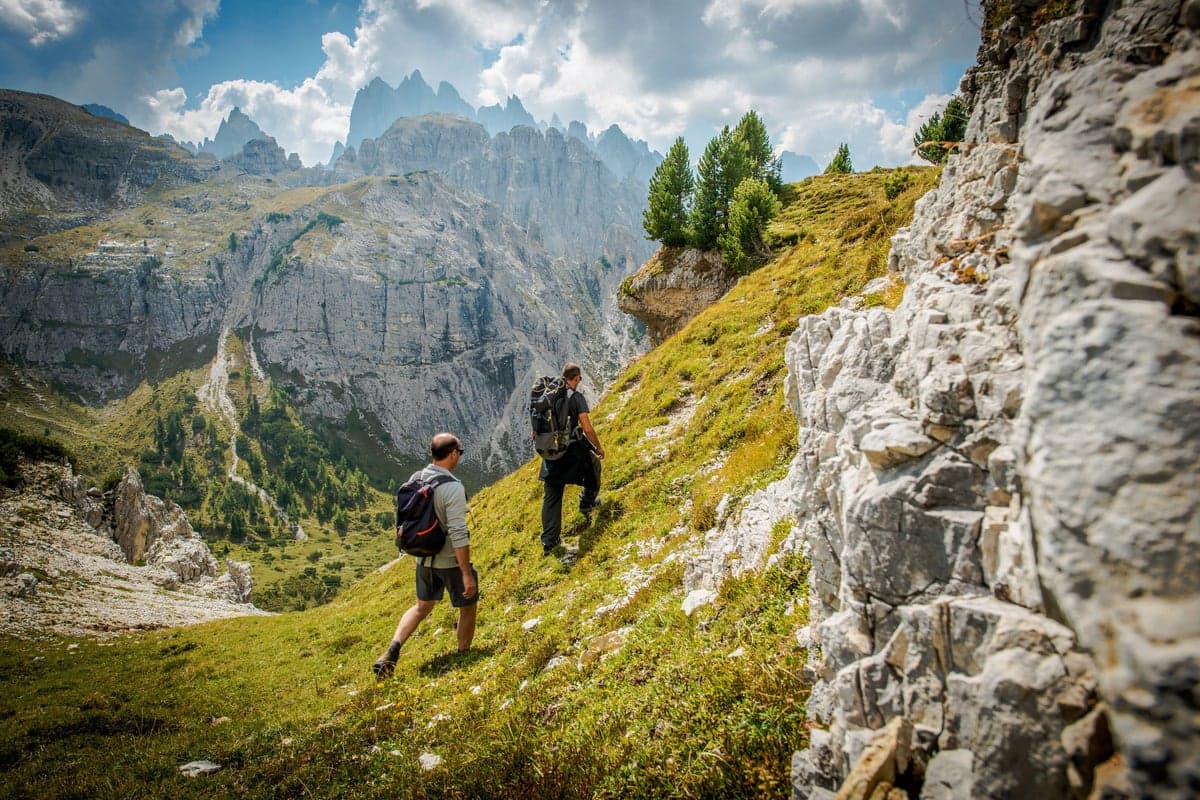
I’m a Travel Writer and These Are the European Walking Holidays I’d Recommend This Year
Why It Matters
The surge in walking holidays signals a shift toward experiential, health‑focused travel, prompting operators to expand trail‑centric products across Europe. This trend reshapes tourism revenue streams and supports sustainable destination development.
Key Takeaways
- •Walking holidays in Europe up 52% since pre‑COVID, per Explore
- •Dolomites 7‑night trek costs about $1,900, includes flights and guide
- •Greek islands offer May hikes for $1,880, with off‑road trails
- •Sierra Nevada weekend adventure starts at $610, featuring GR7 segment
- •Connemara & Aran Islands trip priced $1,270, highlights expanding trail network
Pulse Analysis
The post‑pandemic travel landscape has seen a pronounced tilt toward active, nature‑based experiences, and walking holidays are at the forefront of this shift. Data from operators such as Explore reveal a 52% jump in walking‑focused bookings compared with pre‑COVID levels, reflecting travelers’ desire for health‑centric itineraries that also deliver cultural immersion. This momentum aligns with broader wellness trends and the growing appeal of low‑impact tourism, prompting providers to diversify offerings across Europe’s varied terrains.
Among the most compelling options for 2026 are the Dolomites and Lake Garda circuit, a seven‑night guided trek priced around $1,900 that blends alpine challenges with lakeside relaxation. Greece’s Lefkas and Meganisi islands present May‑time hikes for roughly $1,880, capitalising on milder weather and uncrowded paths. Spain’s Sierra Nevada weekend adventure, starting at $610, offers a condensed taste of the GR7 long‑distance trail, while Slovenia’s eight‑day Triglav National Park tour, at $2,300, showcases glacial lakes and traditional villages. Ireland’s Connemara and Aran Islands expedition, priced near $1,270, benefits from a newly expanded park network, delivering rugged coastal scenery and historic sites.
Looking ahead, the sustained interest in walking holidays is likely to drive further investment in trail infrastructure, guided‑service quality, and sustainable accommodation across the continent. Operators that integrate local expertise, flexible itineraries and transparent pricing will capture the growing segment of health‑aware travelers. For consumers, 2026 presents a rich menu of curated walks that combine physical activity with authentic cultural encounters, reinforcing walking holidays as a cornerstone of the evolving European tourism market.
I’m a travel writer and these are the European walking holidays I’d recommend this year
Comments
Want to join the conversation?
Loading comments...