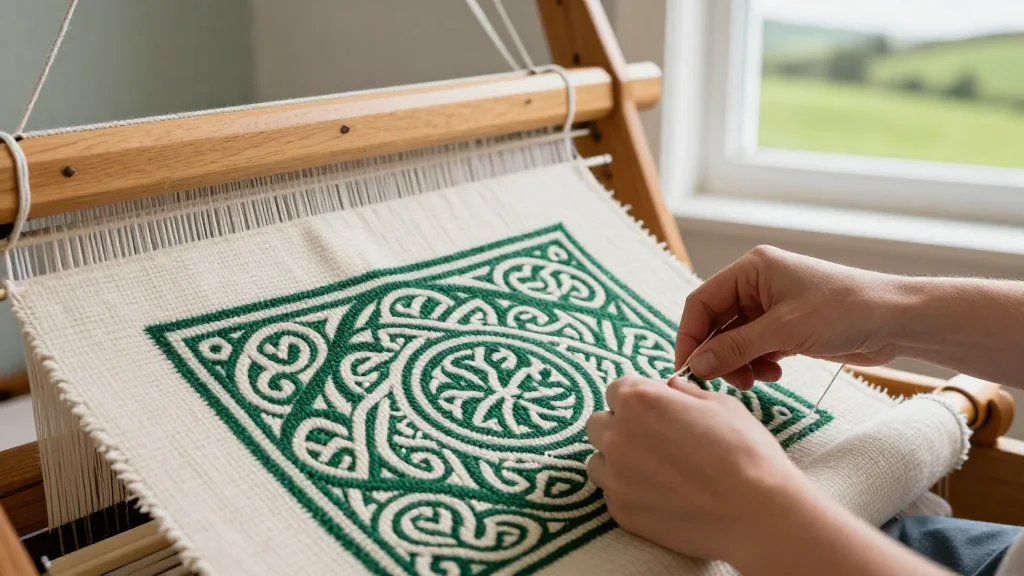
In Rural Ireland, Textile Weavers Offer a Glimpse of a Craft's Past and Future
Companies Mentioned

Why It Matters
Securing PGI status and boutique retail exposure revives a dying textile sector, safeguarding heritage jobs and positioning Irish fabrics in premium global markets.
Key Takeaways
- •Stable of Ireland showcases hand‑woven Irish linen and tweed since 2014
- •Donegal tweed seeks EU Protected Geographical Status to safeguard jobs
- •Irish wool knitwear featured in Oscar‑nominated “Banshees of Inisherin”
- •Craft schools see exponential growth in new Irish textile artisans
Pulse Analysis
Ireland’s textile legacy, once the world’s largest linen producer, has faced steep decline since post‑WWII industrialization and cheap imports. Yet the country’s rugged regions still harbor skilled weavers whose work embodies centuries‑old techniques. Recent cultural interest, amplified by high‑profile film costumes and boutique tourism, has sparked a modest revival, but the sector remains fragile without strategic protection and market access.
Enter Stable of Ireland, a niche retailer that bridges heritage artisans with contemporary consumers. By opening a pop‑up in 2014 and later a permanent Dublin location, the founders have turned obscure hand‑woven scarves, tweed jackets and wool knitwear into accessible luxury items. Their model—sourcing directly from makers such as Eddie Doherty, Molloy and Sons, and showcasing pieces in flagship stores and online—provides steady revenue streams for remote workshops, while educating shoppers on the provenance of each thread.
Looking ahead, the push for Protected Geographical Indication (PGI) for Donegal tweed could be a game‑changer. Similar to Champagne, PGI status would legally protect the fabric’s name, deter counterfeit production, and enable premium pricing on the global stage. Coupled with a surge in craft education programs, the next decade may see Irish textiles transition from niche heritage to a competitive export category, reinforcing rural economies and preserving cultural identity.
In Rural Ireland, Textile Weavers Offer a Glimpse of a Craft's Past and Future
Comments
Want to join the conversation?
Loading comments...