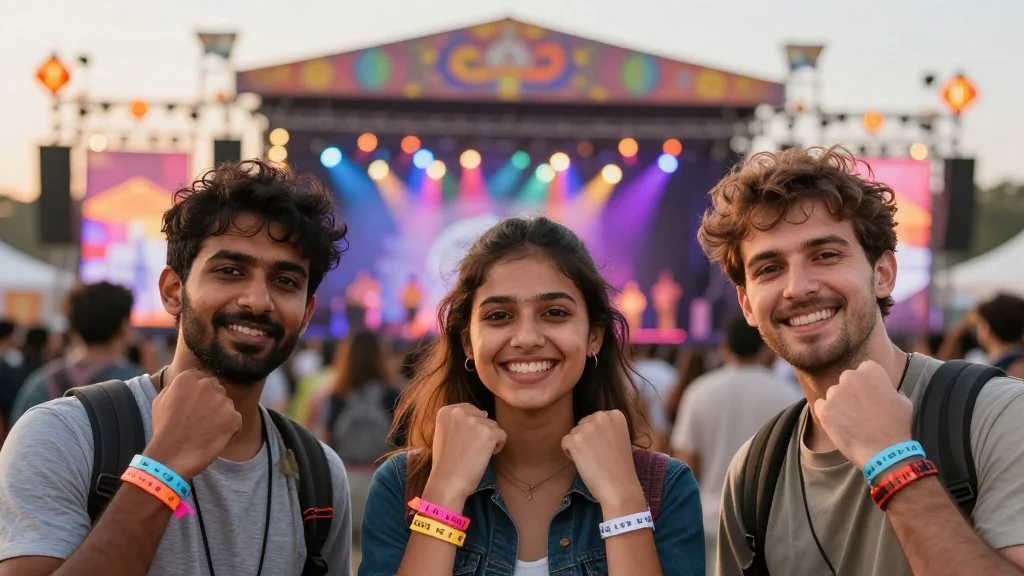
Indian Travelers Favor Festival Tourism Over Classic Sightseeing

Why It Matters
The pivot toward festival tourism signals a fundamental change in Indian outbound travel preferences, with implications for airlines, hospitality providers, and destination marketing organizations. By focusing on experiences rather than static attractions, travelers generate higher per‑trip spend and longer stays, boosting ancillary revenues for local economies. Moreover, the logistical complexity of event travel creates opportunities for specialized service providers, potentially reshaping the competitive landscape of Indian travel agencies. For policymakers, the rise of festival‑centric tourism offers a chance to attract high‑value visitors while managing crowding at traditional heritage sites. Strategic partnerships with event organizers could diversify tourism portfolios, reduce seasonality, and promote cultural exchange, positioning India as a conduit between global festivals and its own burgeoning market of experience‑seeking travelers.
Key Takeaways
- •Indian travelers are increasingly booking trips around music and cultural festivals instead of classic sightseeing.
- •Revel Travels, founded in 2002, now curates festival‑focused itineraries and partners with events like Tomorrowland and UNTOLD.
- •Director Sahil Wahid highlights repeat visits and demand for intimate, community‑driven events.
- •Operational challenges include visa processing, sudden transport disruptions, and the need for dedicated logistics teams.
- •The trend creates new revenue streams for travel agencies and higher per‑trip spend for destination economies.
Pulse Analysis
Festival tourism is redefining the value proposition of Indian outbound travel agencies. Historically, Indian travelers followed a destination‑first model, chasing iconic landmarks such as the Eiffel Tower or the Great Wall. The current shift toward experience‑first travel aligns with a global trend where authenticity and community are prized over mere sightseeing. Companies like Revel Travels are capitalising on this by bundling high‑touch services—visa facilitation, on‑ground coordination, and exclusive access—to justify premium pricing.
From a competitive standpoint, the move creates a differentiation axis that separates traditional OTA‑driven players from boutique curators. Agencies that can master the logistical intricacies of large‑scale events will command loyalty among a cohort of repeat festival‑goers, a segment that is likely to spend more per trip due to ancillary purchases such as merchandise, premium accommodation, and extended local tours. Conversely, firms that cling to legacy package models risk losing relevance as Indian consumers become more discerning about the emotional resonance of their trips.
Looking forward, the sustainability of festival tourism will hinge on how well travel firms can mitigate operational risks while scaling personalized experiences. Digital platforms that provide real‑time updates on visas, transport, and on‑site contingencies could become industry standards. Destination governments that proactively engage with festival organizers and streamline entry processes will also benefit, turning what is now a niche segment into a mainstream driver of tourism revenue.
Indian Travelers Favor Festival Tourism Over Classic Sightseeing
Comments
Want to join the conversation?
Loading comments...