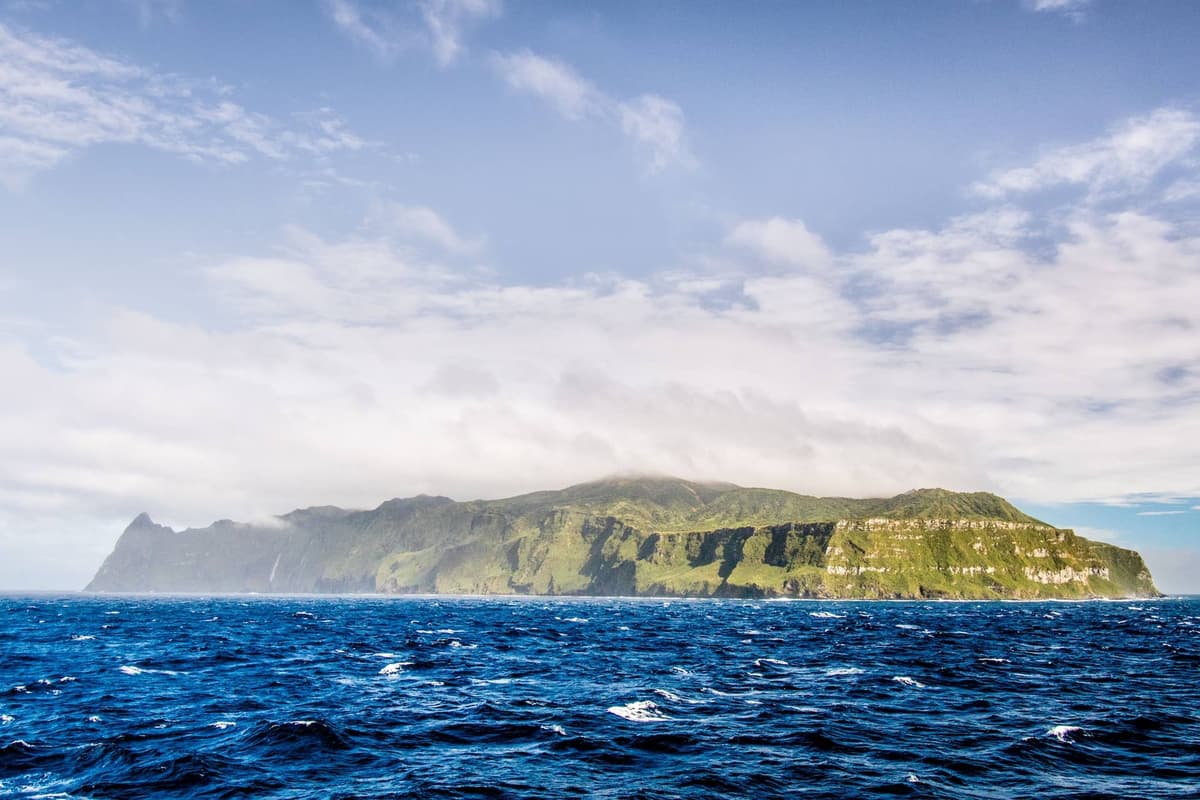
Inside Earth’s Most Remote Island, Where Life Runs On A “Constant Balancing Act”
Why It Matters
The island illustrates how extreme geographic isolation shapes community resilience and drives urgent conservation of fragile, endemic species, offering lessons for policymakers managing remote territories.
Key Takeaways
- •Tristan da Cunha: 2,700 km Africa, 3,700 km America
- •Island hosts 90% of endangered northern rockhopper penguins
- •No airport; supplies arrive via few annual ship visits
- •Residents share jobs, covering shifts and livestock tasks
- •Biodiversity includes sharks, whales, seals, and millions of seabirds
Pulse Analysis
The sheer distance of Tristan da Cunha from any major landmass creates logistical hurdles that few places experience. Without an airstrip, the island depends on a limited schedule of cargo vessels, making everything from medical supplies to fresh produce a premium commodity. This scarcity forces the community to develop self‑sufficiency practices uncommon elsewhere, such as communal farming, shared equipment, and multi‑skill households. Compared with the Pitcairn Islands, which also claim remoteness, Tristan’s larger population and volcanic terrain amplify these challenges, reinforcing its reputation as the most isolated inhabited outpost.
Ecologically, Tristan da Cunha is a living laboratory for evolutionary biologists and conservationists. The archipelago supports a staggering concentration of marine life, including seven‑gill sharks, blue sharks, and several whale species that traverse the surrounding currents. Most critical, however, is its role as a sanctuary for the northern rockhopper penguin, with roughly 90% of the global population nesting on its cliffs. This concentration makes the island a focal point for international conservation initiatives, as any environmental disturbance—such as climate‑driven sea‑temperature shifts—could jeopardize the species’ survival. Protecting these habitats not only preserves biodiversity but also sustains the island’s eco‑tourism potential.
Socially, the island’s residents have cultivated a culture of interdependence that blurs traditional occupational boundaries. When a farmer falls ill or a ship is delayed, neighbors step in to tend livestock, repair infrastructure, or even manage emergency medical care. This fluid labor market fosters resilience but also highlights the vulnerability of small, isolated populations to external shocks, from pandemics to supply chain disruptions. Understanding Tristan da Cunha’s adaptive strategies offers valuable insights for other remote communities and informs broader discussions on sustainable living, resource allocation, and the governance of sparsely populated territories.
Inside Earth’s Most Remote Island, Where Life Runs On A “Constant Balancing Act”
Comments
Want to join the conversation?
Loading comments...