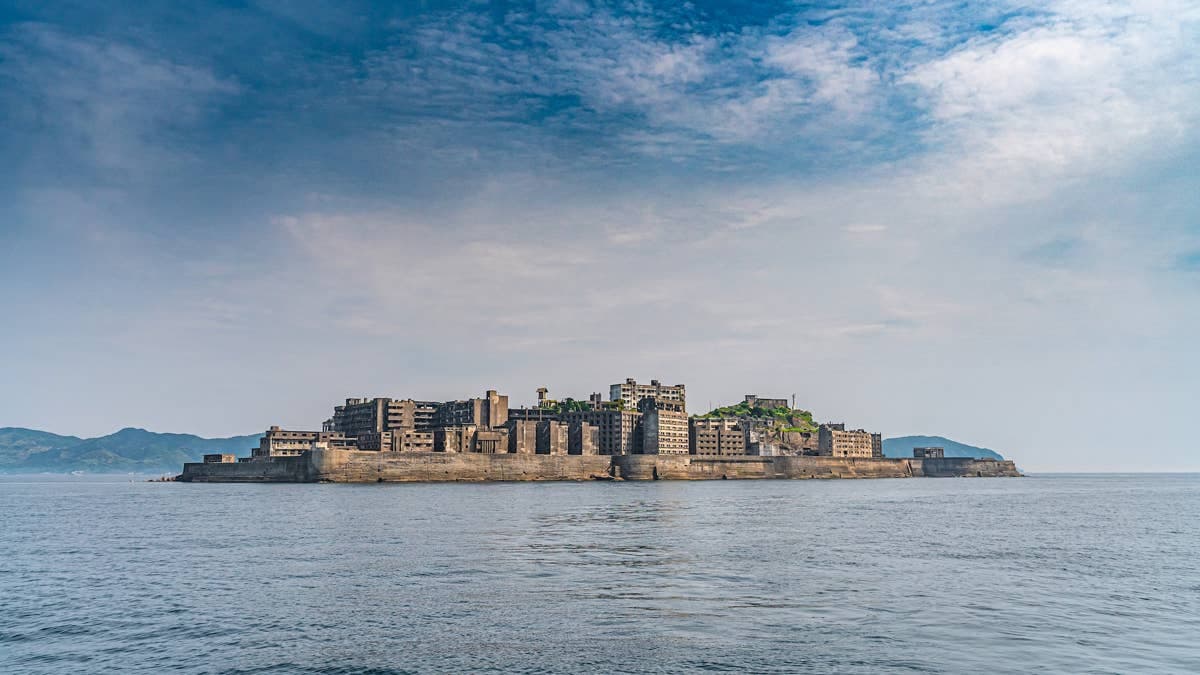
Inside Japan’s Haunted Ghost Island Where 1,300 Workers Died (Video)
Why It Matters
The island’s tragic labor history highlights the human cost of rapid industrialization, while its UNESCO status draws global attention to preserving industrial heritage and confronting wartime atrocities.
Key Takeaways
- •Hashima housed 5,259 residents at its 1959 peak.
- •Coal depletion forced island abandonment by 1974.
- •Over 1,300 Korean and Chinese laborers died during WWII.
- •Site featured in James Bond’s *Skyfall* as villain’s hideout.
- •UNESCO listed Hashima for its role in Japan’s industrialization.
Pulse Analysis
Hashima, colloquially known as Gunkanjima or “Battleship Island,” emerged during the Meiji Restoration as Japan’s first large‑scale undersea coal mine. Operated by Mitsubishi, the compact concrete complex housed more than 5,000 workers and their families by 1959, supplying a critical energy source for steel mills, railways and naval vessels. The island’s vertical architecture—nine‑story apartment blocks perched atop a basalt outcrop—embodied the nation’s drive to import Western technology and adapt it to a densely populated archipelago. When the coal seams were exhausted in the early 1970s, the settlement was evacuated, leaving a skeletal cityscape frozen in time.
The human toll of Hashima’s productivity is stark. During World War II, the Japanese military conscripted thousands of Korean and Chinese laborers to work under brutal conditions, providing minimal food, inadequate shelter and relentless shifts. Historians estimate that more than 1,300 of these forced workers perished from accidents, exhaustion, malnutrition and disease. The lingering sense of loss fuels the island’s “haunted” reputation, attracting thrill‑seeking tourists and paranormal investigators who report cold spots and unexplained sounds amid the crumbling concrete. The narrative serves as a reminder that industrial progress often masks profound human suffering.
Recognition by UNESCO in 2015 transformed Hashima from a derelict relic into a protected cultural landscape. The designation emphasizes the site’s role in illustrating Japan’s early adoption of Western industrial methods and its social consequences. Film exposure—most famously as the villain’s lair in *Skyfall*—has amplified global curiosity, boosting visitor numbers despite access restrictions. As heritage managers balance preservation with tourism, Hashima underscores a broader lesson: industrial sites must be interpreted not only for their engineering feats but also for the labor histories they embody, informing contemporary debates on corporate responsibility and historical memory.
Inside Japan’s Haunted Ghost Island Where 1,300 Workers Died (Video)
Comments
Want to join the conversation?
Loading comments...