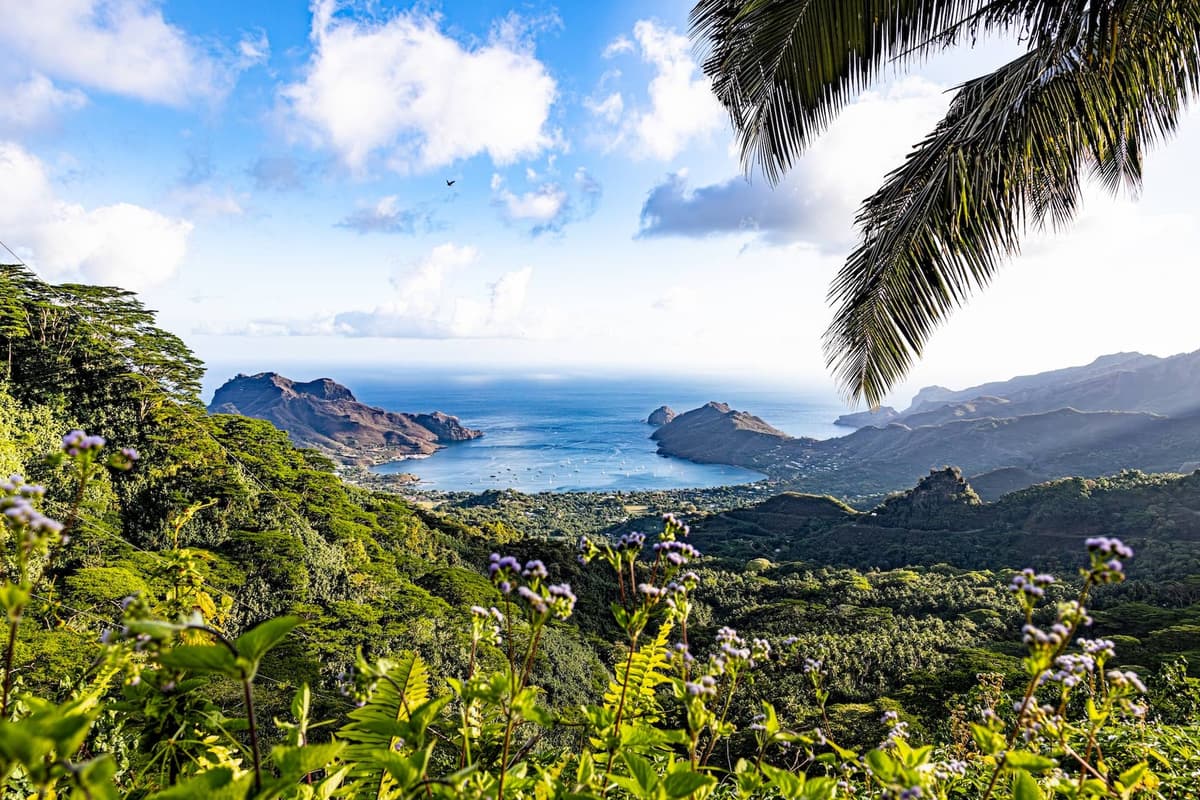
Inside the ‘Most Isolated Islands on the Planet’: The Untouched Marquesas (Video)
Why It Matters
The islands’ extreme remoteness safeguards rare ecosystems and cultural heritage, making them a focal point for responsible tourism and conservation efforts.
Key Takeaways
- •5,500 miles from California; world’s most isolated island chain
- •French Polynesia jurisdiction; fewer visitors than neighboring Tahiti
- •Wild horses, goats, and untouched ecosystems thrive there
- •Recent surf visits reveal hospitality and pristine marine life
Pulse Analysis
The Marquesas Islands sit roughly 8,850 kilometers northeast of Tahiti and 14,000 kilometers from the nearest continental landmass, earning the title of the planet’s most isolated archipelago. This geographic seclusion creates a natural laboratory for scientists studying endemic species, as the islands support unique flora and fauna that have evolved with minimal external influence. Their isolation also means limited infrastructure, which has kept large‑scale development at bay and preserved the raw, volcanic landscapes that attract adventurous travelers seeking off‑the‑grid experiences.
Beyond geography, the Marquesas carry a rich tapestry of Polynesian culture marked by centuries of inter‑tribal conflict, elaborate tattoo traditions, and a darker legacy of cannibalism that persisted into the modern era. Contemporary visitors, such as surf teams, report warm receptions from local families, opportunities to fish fresh tuna directly from the reef, and surf breaks that are both challenging and relatively untouched. These anecdotes illustrate a community that balances pride in its heritage with openness to carefully managed cultural exchange, offering a glimpse into a way of life that remains largely undocumented in mainstream tourism narratives.
The convergence of pristine ecosystems and cultural depth positions the Marquesas as a prime candidate for sustainable tourism models. By limiting visitor numbers, investing in eco‑friendly accommodations, and partnering with local stakeholders, the islands can generate economic benefits without compromising their environmental integrity. Conservation groups see the archipelago as a critical refuge for marine biodiversity, while policymakers view it as an opportunity to showcase responsible travel that protects both natural and cultural assets for future generations.
Inside the ‘Most Isolated Islands on the Planet’: The Untouched Marquesas (Video)
Comments
Want to join the conversation?
Loading comments...