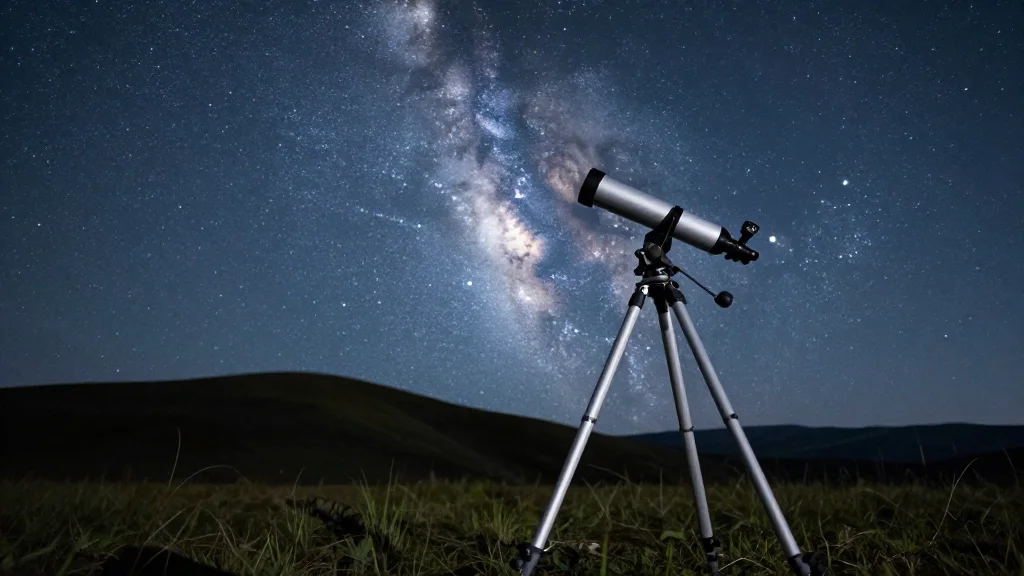
International Dark Sky Week (April 13‑20) Sparks Global Stargazing Travel

Why It Matters
International Dark Sky Week spotlights the intersection of tourism and environmental stewardship, showing how travel can reinforce efforts to curb light pollution. By directing visitors to certified dark‑sky locations, the IDA not only raises awareness of a growing ecological threat but also supports economies that rely on low‑impact, nature‑focused tourism. The initiative encourages travelers to become advocates for darker skies, amplifying the message that preserving night‑time environments benefits wildlife, human health, and scientific research. Moreover, the event provides a template for other travel‑related campaigns that blend recreation with conservation. As more destinations adopt dark‑sky certifications, the travel industry can leverage these designations to differentiate offerings, attract niche travelers, and align with broader sustainability goals.
Key Takeaways
- •International Dark Sky Week runs April 13‑20, 2026, organized by the IDA.
- •Light pollution is rising twice as fast as global population growth; 80% live under bright skies.
- •IDA urges travelers to visit certified dark‑sky sites and practice low‑impact night‑time tourism.
- •EarthSky’s Best Places to Stargaze guide offers specific travel destinations worldwide.
- •Community photo submissions, like Muhammad Bilal’s Milky Way shot from Pakistan, illustrate global participation.
Pulse Analysis
The IDA’s push for night‑time travel aligns with a broader shift in the tourism sector toward experiential, sustainability‑focused offerings. Historically, travel marketing has emphasized daylight attractions—beaches, landmarks, cityscapes—while neglecting the night sky as a draw. By framing darkness as a premium experience, the IDA is redefining value propositions for remote, low‑light‑pollution destinations. This could catalyze a new niche market where operators package stargazing tours, nocturnal wildlife safaris, and astronomy workshops, appealing to both amateur astronomers and eco‑conscious travelers.
From a competitive standpoint, regions that have already secured International Dark Sky Park status—such as Utah’s Grand Staircase‑Escalante or Chile’s Atacama Desert—stand to gain a marketing edge. As travelers increasingly seek authentic, low‑impact experiences, these locales can leverage their certifications to attract higher‑spending visitors willing to pay premiums for guided night‑time activities. Conversely, areas lagging in light‑pollution mitigation may see a decline in night‑time tourism potential, prompting local governments to adopt stricter lighting ordinances.
Looking forward, the success of International Dark Sky Week could inspire similar campaigns across other environmental dimensions, such as “Silent Spring Week” for acoustic pollution or “Blue Ocean Week” for marine conservation. By integrating travel into environmental advocacy, the IDA demonstrates a scalable model: use the allure of unique experiences to drive both awareness and economic benefit, creating a virtuous cycle that reinforces the protection of natural resources.
International Dark Sky Week (April 13‑20) Sparks Global Stargazing Travel
Comments
Want to join the conversation?
Loading comments...