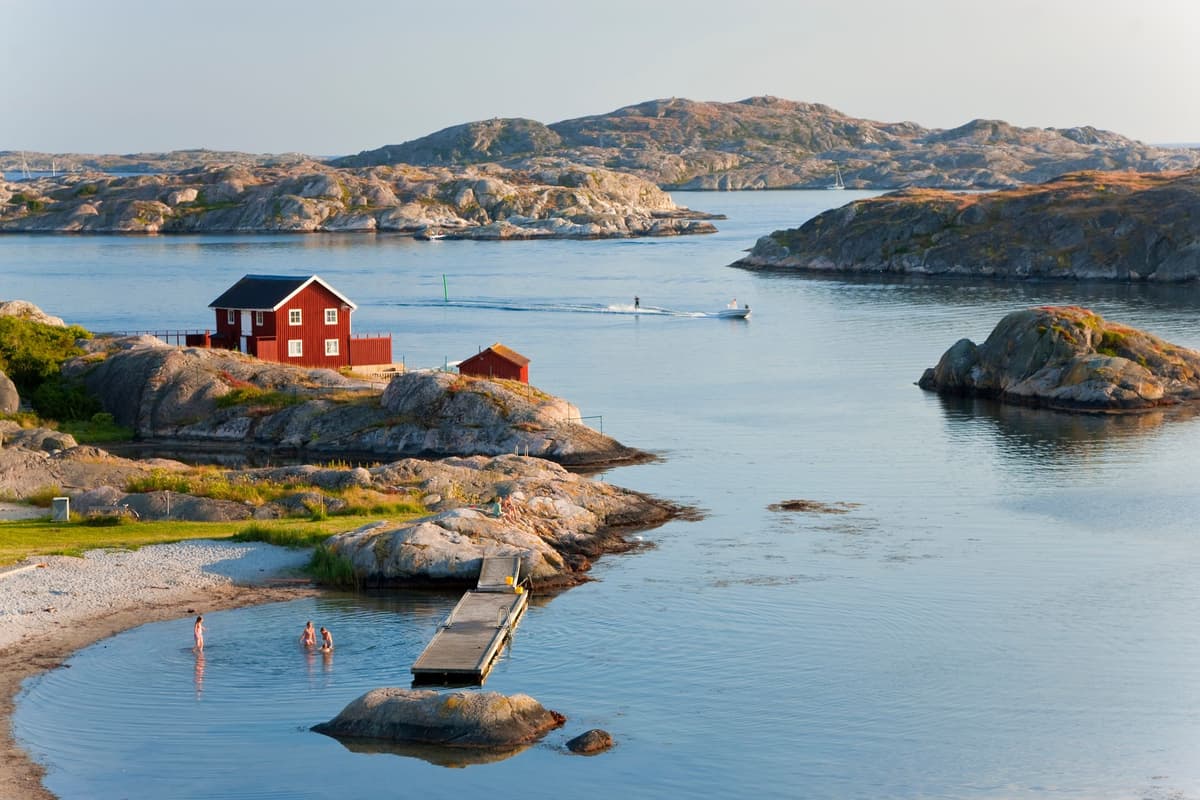
Is Doctor-Prescribed Travel the Future of Wellness? Sweden Thinks So
Why It Matters
The move signals a shift toward medically framed tourism, opening new revenue streams for destinations and insurers while offering consumers a structured path to mental‑wellness. It also highlights the need for evidence‑based design of travel experiences to deliver sustainable health benefits.
Key Takeaways
- •Sweden launches doctor‑prescribed wellness travel campaign
- •Wellness tourism market growing fast, mental‑health focus rising
- •Novelty and emotional engagement drive lasting mental‑health benefits
- •Overpacked itineraries can diminish post‑trip wellbeing
- •Experts suggest post‑travel integration practices for long‑term impact
Pulse Analysis
The global wellness tourism sector has surged past $850 billion in 2023, driven by rising consumer anxiety and a growing appetite for experiences that promise health returns. Sweden’s newly launched “doctor‑prescribed” travel program is the latest attempt to capture this demand, positioning the country’s saunas, forest immersion and 24/7 light therapy as clinically endorsed interventions. By providing physicians with a printable prescription, the initiative blurs the line between medical recommendation and leisure, creating a novel revenue channel for tourism boards while giving patients a tangible pathway to mental‑wellness. The campaign also reflects a broader trend of health‑focused branding across destinations.
Research on the psychology of travel suggests that the therapeutic value lies less in relaxation and more in cognitive stimulation. Dr. Karen Miller points to the novelty of new environments, the need to navigate unfamiliar transport systems, and the emotional processing that occurs when travelers step outside routine—all of which activate the frontal lobes and reinforce neural pathways. This “dual‑tasking” effect can translate into lasting mood improvements, provided the experience is followed by deliberate integration activities such as journaling, cooking new recipes, or sharing stories with peers. Over‑scheduling, by contrast, can exhaust the nervous system and erase the benefits.
For the travel industry, the prescription model offers a blueprint for monetizing mental‑health outcomes. Insurers may begin to reimburse select programs if robust efficacy data emerge, while operators can differentiate themselves by designing itineraries that balance novelty with downtime and embed post‑trip follow‑up tools. Destination marketers should therefore prioritize evidence‑based activities—guided nature walks, structured mindfulness sessions, and culturally immersive workshops—over generic spa packages. As burnout rates climb and PTO shrinks, travelers will increasingly demand measurable ROI on their vacations, making scientifically grounded wellness travel a competitive advantage for forward‑thinking providers.
Is Doctor-Prescribed Travel the Future of Wellness? Sweden Thinks So
Comments
Want to join the conversation?
Loading comments...