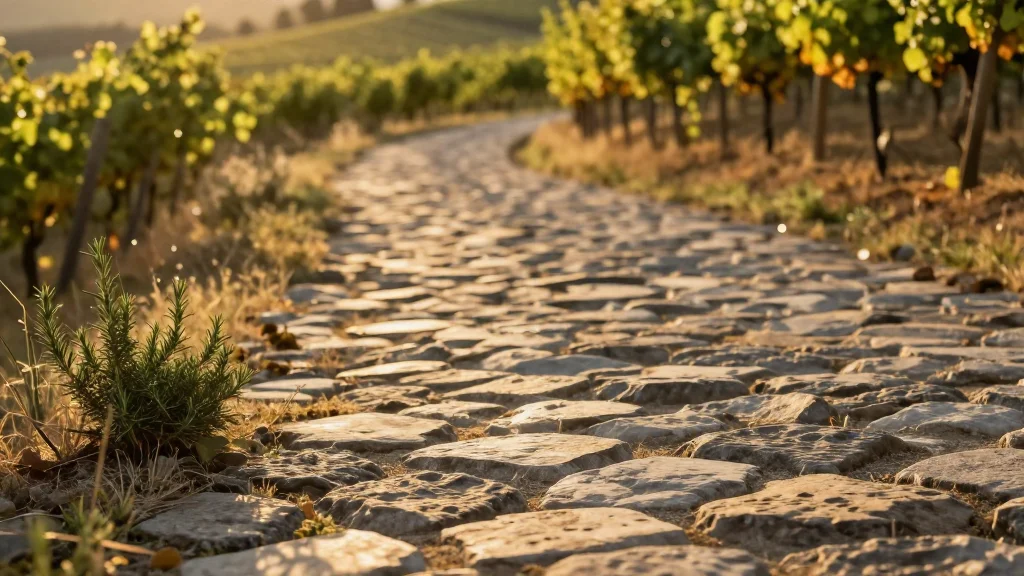
Italy’s Five Ancient Walking Routes Touted as Europe’s Top Slow‑Travel Experience

Why It Matters
The elevation of Italy’s ancient walking routes signals a shift in European tourism toward experiences that prioritize depth over speed. By channeling travelers onto multi‑day hikes, regions can distribute economic benefits beyond traditional city hubs, revitalizing rural economies and supporting small‑scale hospitality providers. At the same time, the focus on heritage trails forces policymakers to confront sustainability challenges, prompting innovative solutions such as digital permits and community‑managed maintenance funds. The outcome will influence how other nations leverage cultural pathways to attract slow‑travel tourists while safeguarding historic landscapes. Moreover, the growing popularity of these routes could reshape travel marketing narratives, positioning Italy not just as a destination for art, cuisine and fashion, but as a living laboratory for immersive, heritage‑driven journeys. This rebranding may attract a new demographic of high‑spending, environmentally conscious travelers, potentially reshaping revenue streams across the broader European tourism sector.
Key Takeaways
- •Five Council of Europe‑certified routes (Via Francigena, Via di Francesco, Cammino di San Benedetto, Romea Strata, Via Romea Germanica) span over 1,000 km.
- •Via Francigena alone covers 45 stages across northern Italy, following a 990 AD pilgrimage diary.
- •Slow travel is one of Europe’s fastest‑growing tourism segments, driving increased demand for multi‑day hikes.
- •Tuscany invested €2 million (≈ $2.2 million) in trail upgrades, boosting local hospitality occupancy to 78 % in peak season.
- •Aosta Valley introduced a €5 (≈ $5.50) “green passport” fee to fund trail maintenance and waste management.
Pulse Analysis
Italy’s strategic promotion of its ancient walking routes taps into a broader post‑pandemic appetite for purposeful travel. Historically, pilgrimage paths have been conduits for cultural exchange; today they serve as economic arteries for peripheral regions that have struggled to compete with the allure of Rome, Florence and Venice. By leveraging Council of Europe certification, Italy gains both credibility and access to EU funding streams, allowing municipalities to upgrade infrastructure without over‑relying on private capital.
The success of this model hinges on balancing accessibility with preservation. The “green passport” in Aosta Valley exemplifies a pragmatic approach: a modest fee that directly finances upkeep while also collecting data on visitor flows. If replicated across other regions, such mechanisms could mitigate overtourism risks that have plagued iconic sites like the Cinque Terre. However, the administrative burden may deter some hikers, especially those accustomed to open‑border European trails. The forthcoming multilingual digital platform could alleviate friction by streamlining registration and offering value‑added services, but its rollout will need to be seamless to avoid alienating the very audience it seeks to attract.
From a competitive standpoint, Italy’s emphasis on slow travel could pressure neighboring countries to highlight their own historic routes—such as Spain’s Camino de Santiago or France’s GR trails—to retain market share. The differentiation will likely come down to the richness of ancillary experiences: culinary tours, local festivals, and heritage interpretation. As travelers increasingly seek authenticity, the ability of Italian regions to weave storytelling with tangible benefits (e.g., farm‑stay accommodations, guided heritage walks) will determine whether the Antichi Cammini d'Italia become a sustainable tourism engine or a fleeting trend.
Italy’s Five Ancient Walking Routes Touted as Europe’s Top Slow‑Travel Experience
Comments
Want to join the conversation?
Loading comments...