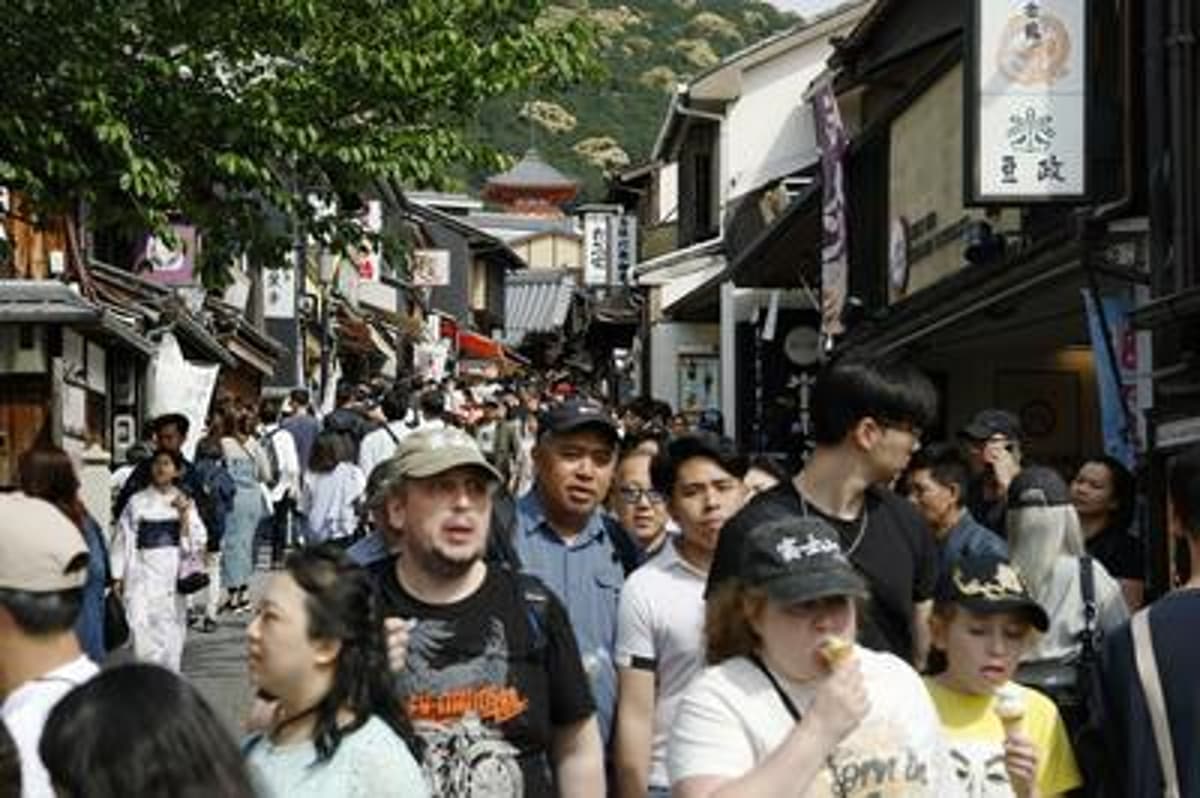
Japan's Top Tourist Destinations Concentrated in Kyoto, 6 Other Prefectures
Why It Matters
The concentration of foreign visitors amplifies revenue for a few regions while leaving most prefectures under‑benefited, prompting policymakers to push for a more balanced tourism spread to sustain cultural assets and broader economic growth.
Key Takeaways
- •Kyoto and Hokkaido hold 33 of top 100 tourist spots
- •25 prefectures have no locations in the top 100 list
- •Tokyo accounts for 59.6 million foreign stays, $21 billion spending
- •Overtourism risks strain cultural sites in heavily visited prefectures
- •Government targets 60 million visitors and $100 billion spend by 2030
Pulse Analysis
After a pandemic‑induced slump, Japan welcomed a record 42.7 million foreign visitors in 2025, driven by a weak yen and aggressive marketing of iconic sites. Yet a detailed analysis by data‑analytics firm Unerry and Kyodo News shows that the surge is far from evenly distributed. Using anonymized smartphone‑app location data across roughly 25,000 districts, the study identified 100 hotspots, 33 of which sit in Kyoto and Hokkaido alone. Other prefectures such as Kanagawa, Yamanashi, Osaka, Okinawa and Tokyo round out the list, while a quarter of the country registers no presence in the top‑100 ranking.
The skewed visitor map translates into stark economic imbalances. Tokyo recorded 59.6 million foreign‑guest stays and generated about $21 billion in spending, whereas Shimane’s foreign‑tourist revenue lingered near $15 million. Concentrated foot traffic strains heritage sites like Kyoto’s Kiyomizu‑dera and natural assets in Hokkaido’s ski resorts, sparking local concerns over overtourism and infrastructure wear. At the same time, 25 prefectures—many along the Sea of Japan—capture less than 1 percent of total stays, missing out on potential job creation and tax revenues that tourism can provide.
Recognizing these gaps, the Japan Tourism Agency and the Japan Association of Travel Agents are urging a ‘regional dispersion’ strategy ahead of the 2030 target of 60 million visitors and roughly $100 billion in foreign spend. Initiatives include promoting lesser‑known destinations through social‑media campaigns, bundling travel packages that link major attractions with peripheral sites, and leveraging the same smartphone‑derived mobility data to monitor crowding in real time. If successfully implemented, a more balanced flow could preserve cultural landmarks, stimulate local economies, and sustain Japan’s long‑term position as a premier global tourism hub.
Japan's top tourist destinations concentrated in Kyoto, 6 other prefectures
Comments
Want to join the conversation?
Loading comments...