Japan's Underrated City Is A Scenic Asian Escape With Hot Springs, History, And Excellent Eats
Why It Matters
Diversifying Japan’s tourism away from over‑visited hotspots can boost regional economies and relieve congestion, making Matsuyama a strategic growth market for travel operators and local businesses.
Key Takeaways
- •Dōgo Onsen is Japan’s oldest hot spring, open to all visitors
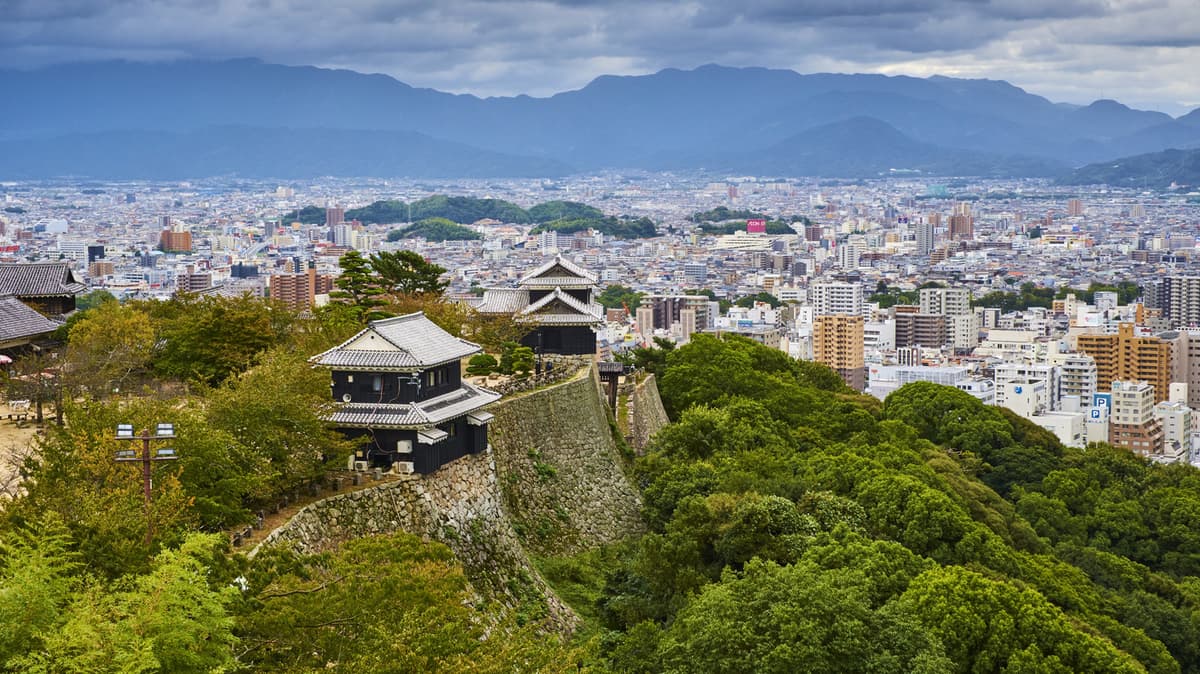
- •Matsuyama Castle is one of only 12 original Japanese castles remaining
- •Ehime’s citrus capital offers taimeshi sea bream rice, a regional specialty
- •Reach Matsuyama via short flights or ferry from Tokyo, Osaka, Hiroshima
Pulse Analysis
Japan’s iconic Golden Route—Tokyo, Kyoto, Osaka—has become a congestion point for inbound tourists, prompting industry analysts to seek spill‑over destinations. Matsuyama, the largest city on Shikoku, offers a compelling antidote: a compact urban core surrounded by hills, historic sites, and a well‑connected streetcar network, yet remains largely untouched by mass tourism. A short domestic flight from Tokyo (about 1.5 hours) or a ferry from Hiroshima places the city within easy reach, allowing travelers to diversify itineraries without sacrificing convenience.
The city’s draw rests on three cultural pillars. Dōgo Onsen, dating back roughly 3,000 years, is Japan’s oldest public hot spring and inspired the bathhouse in Studio Ghibli’s *Spirited Away*, offering affordable communal bathing that appeals to both domestic and international visitors. Matsuyama Castle, an intact 1602‑era fortification, is one of only twelve original castles surviving nationwide, providing authentic samurai architecture for history enthusiasts. Additionally, Matsuyama’s literary legacy—home to haiku pioneer Masaoka Shiki and the setting of Natsume Sōseki’s *Botchan*—adds a niche appeal for book‑loving travelers.
Culinary tourism further fuels Matsuyama’s growth. The region’s reputation as Ehime’s citrus capital translates into abundant mikan products and the signature taimeshi—steamed sea bream over rice—served at specialist eateries such as Taiya and Gansui Honten. These food experiences, combined with modest accommodation costs, generate higher per‑visitor spend than typical budget itineraries, encouraging travel agencies to bundle Matsuyama into Shikoku circuits. As Japan’s inbound market rebounds, the city’s blend of heritage, wellness, and gastronomy positions it as a sustainable alternative that can alleviate pressure on over‑visited hotspots while delivering economic benefits to local businesses.
Japan's Underrated City Is A Scenic Asian Escape With Hot Springs, History, And Excellent Eats
Comments
Want to join the conversation?
Loading comments...