Jerusalem’s 35‑Minute Northern Dead Sea Wellness Escape

Why It Matters
The rapid accessibility of the northern Dead Sea redefines short‑haul travel for Israelis, offering a low‑cost, low‑time‑commitment option for wellness tourism. In a period marked by security concerns, the reserve provides a safe, domestic alternative to international trips, supporting both mental‑health outcomes and local economies. Moreover, the model illustrates how natural sites can be leveraged for therapeutic tourism, encouraging policymakers to invest in infrastructure that balances visitor experience with environmental stewardship. As other cities worldwide seek similar quick‑escape solutions, Jerusalem’s 35‑minute route could serve as a blueprint for integrating wellness into everyday travel.
Key Takeaways
- •A 35‑minute drive connects Jerusalem to the Einot Tzukim Nature Reserve on the northern Dead Sea.
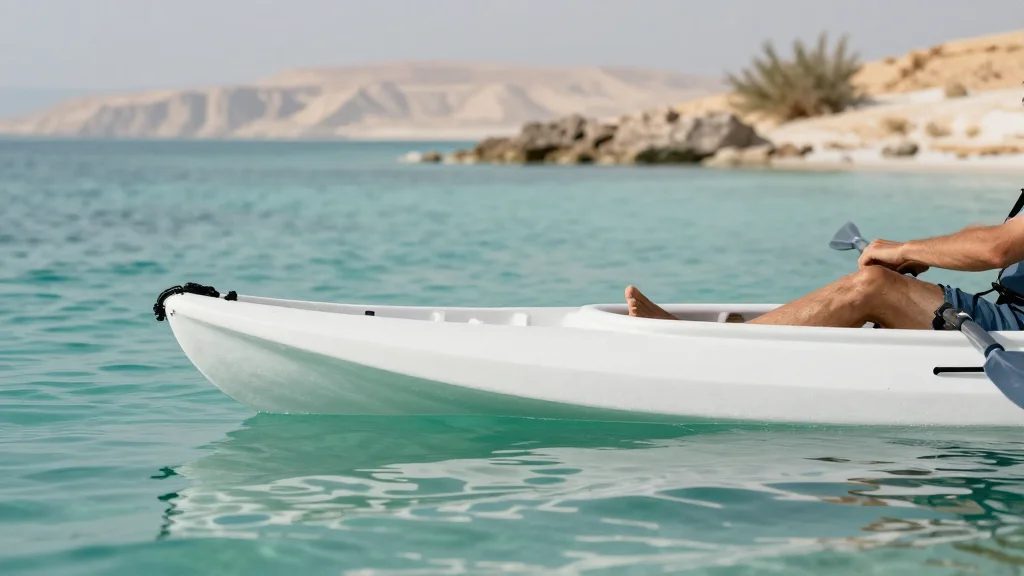
- •Guided double‑kayak tours and forest‑bathing workshops form the core of the wellness itinerary.
- •The reserve hosts resilience workshops for civilians and combat veterans amid ongoing conflict.
- •Weekday visits offer quieter, meditative experiences compared to crowded holiday periods.
- •The micro‑escape model challenges traditional weekend travel that requires overnight stays.
Pulse Analysis
Jerusalem’s new micro‑escape reflects a broader shift toward ultra‑short wellness trips, a segment that has accelerated since the pandemic as travelers prioritize health and time efficiency. By compressing a full‑day retreat into a sub‑hour commute, the Einot Tzukim model reduces logistical friction and appeals to urban professionals who lack the flexibility for multi‑day vacations.
Historically, Israel’s Dead Sea tourism has been dominated by southern resort towns like Ein Bokek, where large hotels offer spa services at premium prices. The northern reserve’s emphasis on raw nature, guided adventure, and therapeutic programming creates a differentiated value proposition that could siphon a portion of the market, especially among younger, experience‑seeking travelers. This diversification may also mitigate the economic impact of geopolitical instability by keeping tourism revenue domestic.
Looking ahead, the success of this model hinges on sustainable capacity management. Over‑tourism could degrade the fragile salt ecosystems, while under‑investment might limit accessibility for broader demographics. If authorities can strike a balance—expanding guided services, improving transport links, and protecting the environment—the 35‑minute escape could become a template for other cities seeking to embed wellness into everyday mobility, reshaping the future of short‑haul travel worldwide.
Jerusalem’s 35‑Minute Northern Dead Sea Wellness Escape
Comments
Want to join the conversation?
Loading comments...