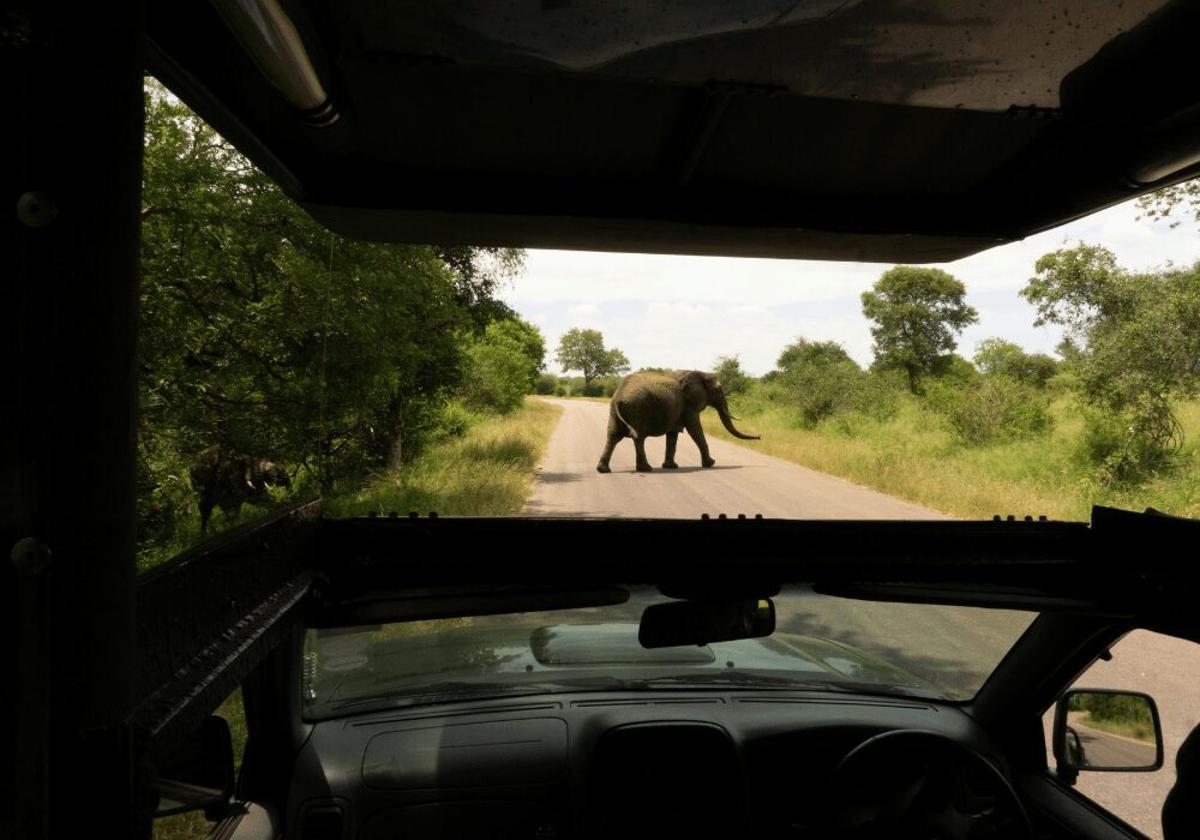
Kruger At 100: A South African Conversation Story
Why It Matters
Kruger’s milestone underscores its dual importance as a premier safari destination and a critical driver of South Africa’s tourism economy, while exposing urgent environmental and social challenges that could affect future growth. Addressing climate impacts and community inclusion will be pivotal for sustaining both biodiversity and regional livelihoods.
Key Takeaways
- •Kruger National Park celebrates 100 years on May 31, 2026.
- •Annual visitation nears two million, 80% domestic tourists.
- •Tourism generates over R800 million (~$43 million) revenue for South Africa.
- •Climate change threatens waterholes, prompting urgent conservation actions.
- •Community‑led tourism and anti‑poaching investments drive future sustainability.
Pulse Analysis
The Kruger National Park’s 100‑year anniversary is more than a ceremonial milestone; it signals the enduring economic heft of South Africa’s premier wildlife reserve. Drawing close to two million guests annually, the park funnels over R800 million—roughly $43 million USD—into the national economy, supporting hospitality, transport, and ancillary services. This revenue stream is especially vital for surrounding rural communities, where tourism often represents the primary source of formal employment and small‑business opportunities.
Beyond economics, the centenary arrives amid escalating environmental pressures. Shifting rainfall patterns linked to climate change have begun drying critical waterholes, stressing the park’s 147 mammal species and 500‑plus bird species. The Kruger’s integration into the Great Limpopo Transfrontier Park adds a cross‑border conservation dimension, demanding coordinated climate‑adaptation strategies and robust anti‑poaching measures to safeguard its biodiversity legacy. These ecological challenges are reshaping management priorities, pushing for innovative water‑conservation projects and intensified wildlife monitoring.
Looking ahead, the park’s sustainability hinges on deeper community involvement and targeted investment. Empowering adjacent villages through community‑led tourism initiatives can diversify income streams while fostering local stewardship of natural resources. Simultaneously, scaling anti‑poaching operations with advanced surveillance technology and increased ranger capacity is essential to protect the iconic Big Five. As Kruger steps into its second century, aligning economic growth with ecological resilience will determine whether it remains both a world‑class safari destination and a model for harmonious human‑wildlife coexistence.
Kruger At 100: A South African Conversation Story
Comments
Want to join the conversation?
Loading comments...