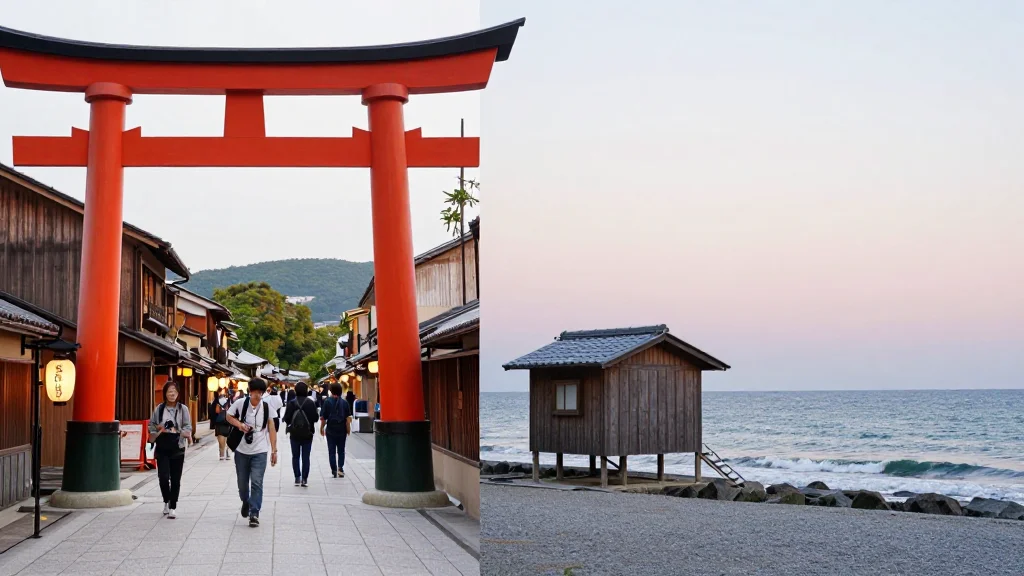
Kyoto Leads, Six Prefectures Follow in Japan’s Top Tourist Spots Survey

Why It Matters
The survey’s findings expose a structural imbalance in Japan’s tourism boom, where a handful of prefectures reap the lion’s share of foreign‑spending while many rural areas see little benefit. This concentration threatens the sustainability of iconic sites, risks overtourism‑related degradation, and widens regional income gaps. By highlighting the need for a more equitable distribution of visitors, the data informs policymakers, travel operators, and marketers about where to focus future promotional and infrastructural investments. If Japan can successfully redirect a portion of its record‑breaking inbound traffic to under‑visited prefectures, it could stimulate local economies, preserve cultural heritage, and reduce strain on overburdened urban centers. Conversely, failure to address the disparity may lead to a backlash from residents, stricter travel caps, or a decline in the country’s overall tourism appeal.
Key Takeaways
- •Kyoto leads with 17 of the top‑100 tourist spots, followed by Hokkaido (16) and Kanagawa (11).
- •Seven prefectures account for 72% of Japan’s most‑visited locations, while 25 prefectures have none.
- •Tokyo generated about ¥3.29 trillion ($21.5 billion) in foreign‑tourist spending; Shimane recorded only ¥2.25 billion ($14.7 million).
- •31 prefectures each contributed less than 1% of total foreign‑guest stays, underscoring regional disparity.
- •Government aims to promote ‘regional dispersion’ to alleviate overtourism and boost rural economies.
Pulse Analysis
Japan’s tourism surge, driven by a weak yen and pent‑up post‑pandemic demand, has amplified a pre‑existing geographic skew. Historically, the Golden Route has been the default itinerary for overseas visitors, reinforced by decades of marketing, transport connectivity, and iconic heritage sites. The new Unerry‑Kyodo data quantifies what industry insiders have long suspected: the concentration is now at a tipping point where infrastructure strain and resident pushback could erode the very attractions that fuel the boom.
From a market perspective, the disparity creates both risk and opportunity. Travel platforms that continue to push the same marquee destinations may see diminishing returns as visitor fatigue sets in. Conversely, agencies that curate niche experiences—leveraging social‑media trends like the Ginzan Onsen surge—stand to capture a growing segment of tourists seeking authenticity and less‑crowded environments. The government’s regional‑dispersion agenda, if paired with strategic subsidies and improved transport links, could unlock a new wave of demand for rural hospitality, adventure tourism, and cultural immersion.
Looking ahead, the key will be coordination between national tourism bodies, local governments, and private operators. Data‑driven insights, such as real‑time visitor tracking, can inform dynamic pricing, crowd‑control measures, and targeted promotions. If Japan can balance visitor distribution without diluting its brand of timeless allure, it will set a benchmark for other destinations grappling with overtourism while striving for inclusive economic growth.
Kyoto Leads, Six Prefectures Follow in Japan’s Top Tourist Spots Survey
Comments
Want to join the conversation?
Loading comments...