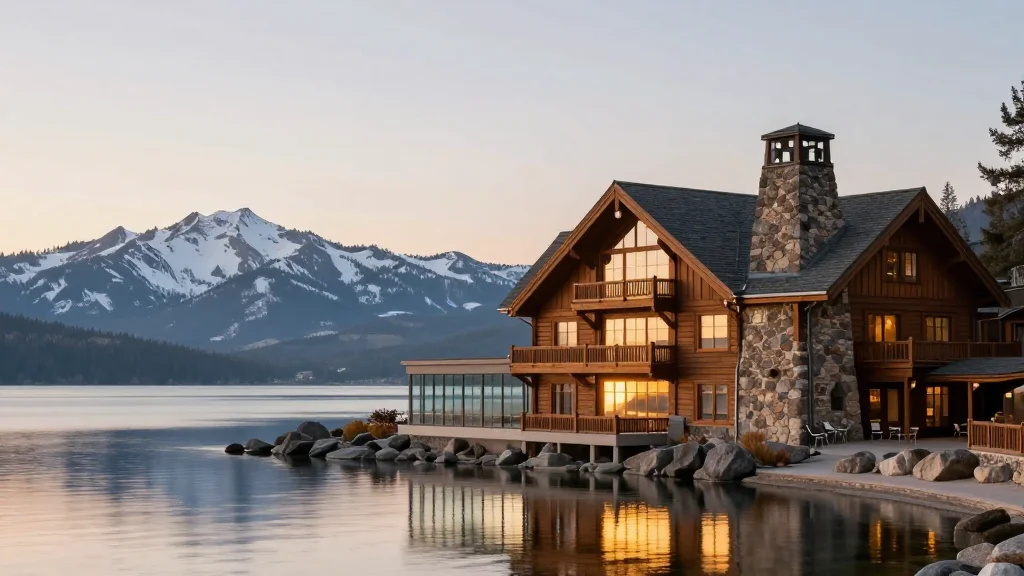
Legendary 100-Year-Old Tahoe Resort Eyes Comeback After “Long, Dark” Decade
Why It Matters
Restoring Cal Neva taps growing demand for experiential luxury travel and leverages scarce lakefront real estate, potentially revitalizing Tahoe’s high‑end hospitality sector. Its outcome will signal whether historic resort preservation can deliver profitable, sustainable growth in a competitive market.
Key Takeaways
- •Cal Neva secures $300M financing for 2027 reopening
- •Renovation blends historic tunnels with modern wellness amenities
- •Tahoe's limited lakefront drives interest in restoring legacy resorts
- •Luxury travelers seek experiential stays tied to historic branding
- •Success hinges on balancing preservation with sustainability and safety
Pulse Analysis
Lake Tahoe’s historic resorts are entering a renaissance, and the Cal Neva’s $300 million financing package is the latest high‑profile example. The property, once a mid‑century haunt for celebrities like Frank Sinatra, has languished since 2013, cycling through owners including tech billionaire Larry Ellison. The new development team plans a hybrid approach: preserving the resort’s storied architecture—its Prohibition‑era tunnels and grand entertainment halls—while injecting contemporary luxury touches such as a state‑of‑the‑art wellness center, upscale dining, and a modernized casino floor. This blend of heritage and innovation aims to attract affluent travelers seeking authentic, place‑based experiences.
Several macro trends are converging to make such projects viable. Luxury tourism is increasingly experience‑driven, with guests valuing narrative and authenticity over generic amenities. At the same time, Lake Tahoe’s finite lakefront parcels limit new construction, turning restoration into a more attractive investment. The region’s shift toward year‑round tourism—spurred by summer recreation, festivals, and remote‑work trends—expands the revenue window beyond the traditional ski season, justifying the sizable capital outlay. Moreover, legacy brand equity provides a marketing shortcut; the Cal Neva name carries cultural cachet that newer properties lack, allowing developers to command premium rates.
However, the path forward is fraught with challenges. Harsh winter weather, stringent environmental regulations, and the high cost of retrofitting aging infrastructure pose significant risks. Developers must meet modern sustainability standards, integrating energy‑efficient systems and resilient construction to satisfy both regulators and eco‑conscious guests. If Cal Neva can strike the right balance between preservation and modernity, it could set a template for other historic resorts across the American West, demonstrating that heritage assets can be profitably reimagined for a new generation of travelers.
Legendary 100-Year-Old Tahoe Resort Eyes Comeback After “Long, Dark” Decade
Comments
Want to join the conversation?
Loading comments...