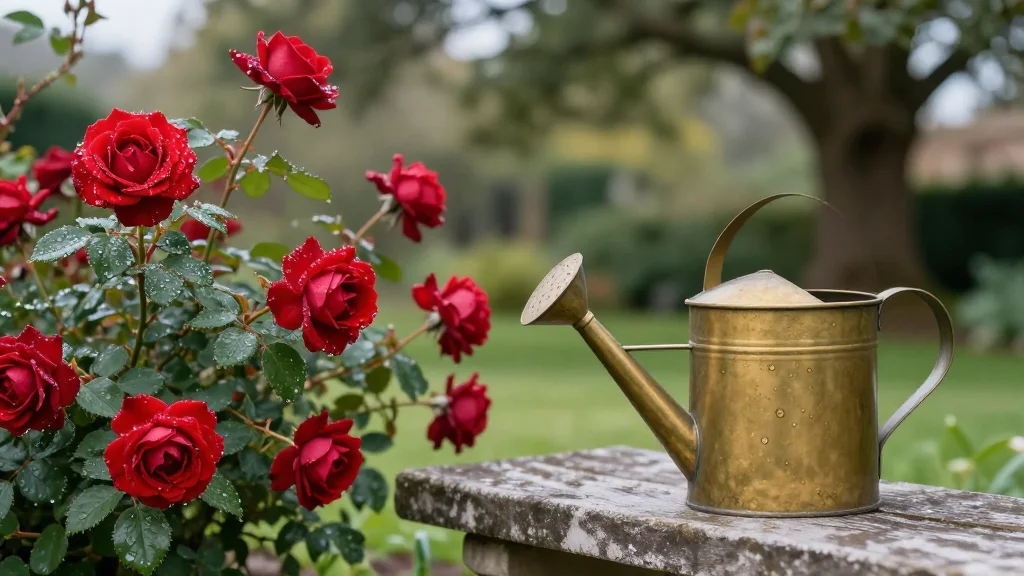
London Gardens, From the Royal to the ‘Secret’
Why It Matters
Urban green spaces drive tourism revenue, enhance public health, and preserve cultural heritage, positioning London as a leading model for sustainable city planning.
Key Takeaways
- •London hosts over 30 public gardens and parks
- •Royal Botanic Gardens, Kew attracts 2 million visitors annually
- •Garden Museum displays historic horticultural tools and blueprints
- •Hidden gardens reveal contributions of Black botanists
- •Renovations aim to future‑proof historic garden spaces
Pulse Analysis
London’s gardens are more than picturesque backdrops; they are economic engines and public health assets. The city’s green footprint, from Kew’s 300‑acre arboretum to compact canal-side plots, draws millions of tourists each year, generating significant hospitality revenue and supporting local businesses. Studies link accessible green space to reduced stress and improved air quality, reinforcing the city’s commitment to resident well‑being while bolstering its global brand as a livable metropolis.
The historical narrative woven through London’s horticultural sites adds depth to the visitor experience. The Garden Museum, housed in a former Victorian church, curates centuries‑old blueprints, tools, and stories of plant hunters like the Tradescant family, whose tombs sit amid exotic flora. Exhibits highlighting Black botanists and wartime gardening underscore the diverse contributions that shaped Britain’s botanical heritage, offering educational value that resonates with contemporary audiences seeking inclusive cultural narratives.
Looking ahead, London is investing in resilient garden design to safeguard these assets against climate change. Projects such as the Great Fountain Garden’s redesign incorporate drought‑tolerant species, water‑reuse systems, and modular planting beds, ensuring longevity and ecological balance. These forward‑thinking initiatives not only protect historic landscapes but also create new opportunities for eco‑tourism, job creation in horticulture, and community engagement, cementing the city’s role as a pioneer in sustainable urban greening.
London Gardens, From the Royal to the ‘Secret’
Comments
Want to join the conversation?
Loading comments...