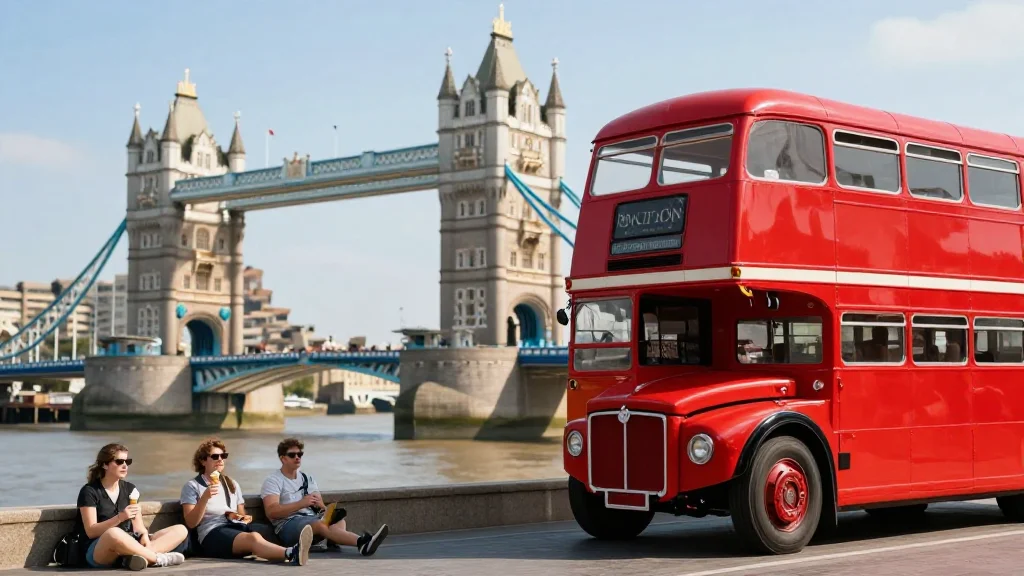
London Sees Record Tourist Surge as Bank Holiday Heat Hits 30°C

Why It Matters
The heat‑driven tourism spike illustrates how extreme weather can rapidly reshape travel demand, offering a short‑term economic windfall for destinations that can mobilize resources quickly. It also exposes the vulnerability of tourists and service providers to health risks, prompting a reevaluation of safety protocols and infrastructure resilience. If climate trends continue to produce hotter summers, tourism operators may need to embed weather‑adaptive strategies into long‑term planning, from flexible ticketing to expanded indoor offerings, to sustain growth while safeguarding public health.
Key Takeaways
- •Temperatures near 30 °C during the Spring Bank Holiday triggered record visitor numbers in London and coastal towns.
- •UK Health Security Agency issued amber heat‑health alerts for multiple regions, prompting tourism operators to adjust services.
- •Coastal destinations like Bournemouth and Brighton reported near‑capacity bookings and longer average stays.
- •Public transport usage rose as tourists favored trains and buses over car travel to avoid congestion.
- •Operators extended evening hours and shifted schedules to capture demand while minimizing heat exposure.
Pulse Analysis
The London heatwave demonstrates a classic demand shock where weather acts as a catalyst for travel behavior. Historically, warm bank holidays have lifted domestic tourism, but the current temperature extremes have amplified that effect, pushing visitor numbers beyond typical seasonal peaks. This surge provides a clear case study of how agile operators can convert a potential health hazard into a revenue opportunity by reconfiguring hours, expanding shaded amenities and promoting off‑peak experiences.
From a competitive standpoint, destinations that invested in climate‑responsive infrastructure—such as portable cooling stations and real‑time health alerts—are likely to capture a larger share of the spontaneous traveler market. Conversely, locations lacking such flexibility risk reputational damage if they fail to protect vulnerable visitors. The episode also underscores the growing importance of integrating public‑health data into tourism planning, a practice that could become standard as heatwaves become more frequent.
Looking forward, the industry must balance short‑term gains with long‑term sustainability. While the immediate economic boost is welcome, repeated reliance on extreme weather for visitor spikes is unsustainable. Operators should diversify offerings to include climate‑controlled indoor attractions and develop robust contingency plans that can be activated quickly. By doing so, the UK tourism sector can turn climate volatility from a risk into a strategic advantage, ensuring resilience and steady growth beyond the next bank holiday.
London sees record tourist surge as bank holiday heat hits 30°C
Comments
Want to join the conversation?
Loading comments...