Lonely Planet Co‑founder Calls Orkney ‘Scotland’s Pompeii’ Must‑Visit

Why It Matters
Tony Wheeler’s endorsement carries weight in the travel industry; his recommendation can shift tourist patterns, directing traffic to lesser‑known locales and diversifying the UK’s tourism portfolio. For Orkney, the influx promises economic benefits for local businesses, from hospitality to guided‑tour operators, while also challenging heritage managers to protect fragile sites. The spotlight also showcases how heritage destinations can leverage technology—like AI‑powered characters—to enrich visitor experiences, a model likely to spread across Europe’s historic sites. Moreover, the focus on Orkney underscores a broader post‑pandemic trend: travellers seeking authentic, low‑density experiences that combine natural beauty with deep cultural narratives. As climate concerns and overtourism pressures mount, destinations that can offer both preservation and innovation may become the new standard for sustainable travel.
Key Takeaways
- •Tony Wheeler, Lonely Planet co‑founder, visited Orkney via the Caledonian Sleeper train
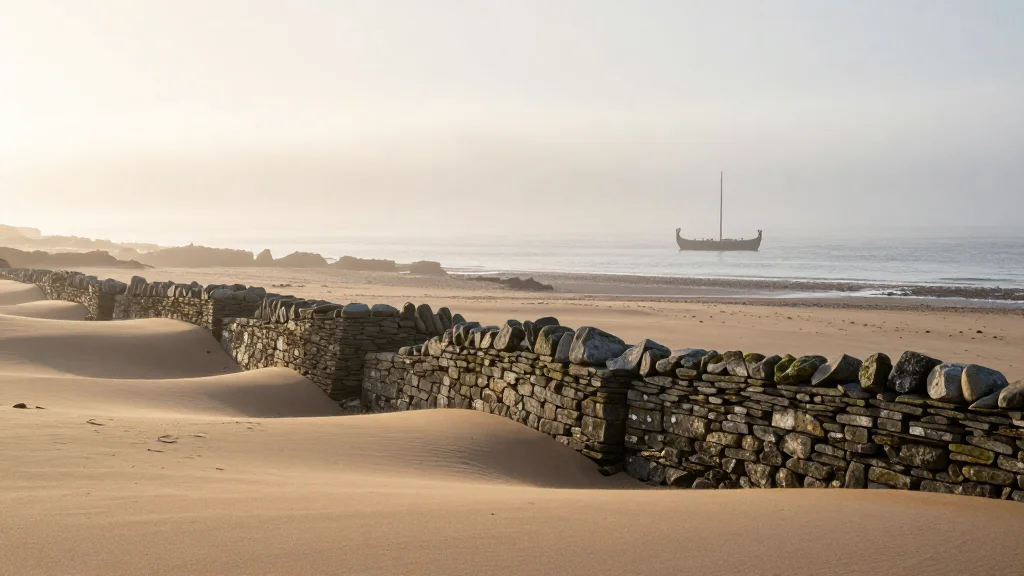
- •Skara Brae dubbed “Scotland’s Pompeii” and called the “oldest village in Europe”
- •Orkney’s Heart of Neolithic sites designated a UNESCO World Heritage Site in 1999
- •Guided “Witches of Orkney” walking tour in Kirkwall costs £15
- •Orkney Museum features the UK’s first AI‑powered Viking character, “Ragna”
Pulse Analysis
Wheeler’s public endorsement functions as a catalyst in a market where heritage tourism is gaining momentum. Historically, travel influencers have driven spikes in visitor numbers—think of the “Iceland effect” after the country’s 2010 tourism campaign. Orkney stands to benefit similarly, but the stakes are higher because its archaeological assets are exceptionally sensitive. The challenge will be to scale visitor services without compromising site integrity, a dilemma that has plagued other heritage hotspots such as Stonehenge and Machu Picchu.
From a competitive standpoint, Orkney now competes not just with Scotland’s mainland attractions but with the entire UK’s heritage circuit. Its unique selling proposition—combining Neolithic marvels, Viking lore, and a dark witch‑trial history—offers a multi‑layered narrative that can attract diverse traveler segments. The AI‑driven Viking guide exemplifies how technology can differentiate a destination, providing an interactive layer that appeals to younger, tech‑savvy tourists while adding educational value.
Looking ahead, the real test will be how Orkney’s tourism authorities manage growth. Implementing timed entry, expanding digital ticketing, and investing in conservation will be essential to sustain the “once‑in‑a‑lifetime” allure that Wheeler praised. If managed well, Orkney could become a benchmark for balancing heritage preservation with modern tourism demand, influencing policy across Europe’s historic sites.
Lonely Planet Co‑founder Calls Orkney ‘Scotland’s Pompeii’ Must‑Visit
Comments
Want to join the conversation?
Loading comments...