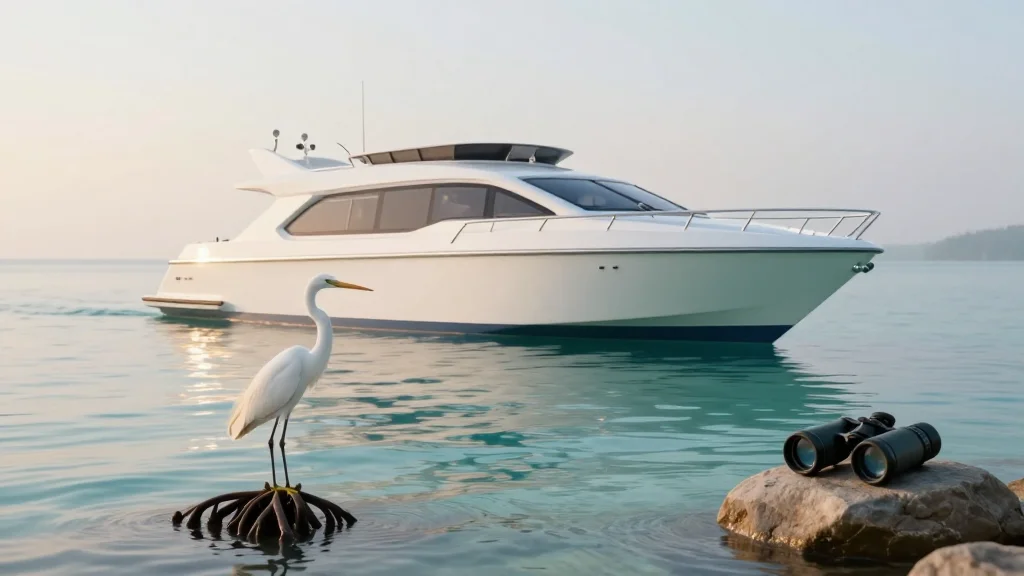
Low‑Impact Travel Booms: Silent Cruises, Slow Safaris and Bird‑Watching Retreats Gain Traction

Why It Matters
The rise of low‑impact travel reshapes how the industry measures success, moving from volume‑based metrics like passenger counts or wildlife sightings to qualitative outcomes such as stress reduction and ecological mindfulness. For destinations, this trend offers a pathway to attract high‑spending guests while limiting environmental footprints, potentially easing overtourism pressures on fragile ecosystems. Moreover, the health‑focused narrative aligns travel with broader wellness markets, creating cross‑industry partnerships with medical and mental‑health providers. If the quiet‑travel model proves profitable, it could accelerate investment in battery‑powered vessels, sound‑monitoring infrastructure and nature‑based therapy programs, redefining the competitive landscape for cruise lines, safari operators and eco‑resorts alike.
Key Takeaways
- •Havila Voyages launches a battery‑powered cruise keeping onboard noise at ~60 dB, far below typical city levels.
- •Indian luxury safari lodges such as The Bamboo Forest Safari Lodge emphasize sensorily immersive, low‑intervention experiences.
- •Founder Suyash Keshari says travelers now seek environments that help them "slow down and reset."
- •Trinidad’s Asa Wright Nature Centre markets "ornitherapy," with guide Caleb Walker citing science‑backed mental‑health benefits.
- •The trend signals a shift from sight‑based tourism to wellness‑centric, low‑impact travel experiences.
Pulse Analysis
The convergence of silent cruising, slow‑paced safaris and bird‑watching retreats reflects a post‑pandemic recalibration of traveler priorities. Historically, the travel sector has chased novelty—speed, spectacle, and volume. Today, the premium is on quiet, restorative environments that mitigate the physiological toll of constant urban noise. This pivot is underpinned by two forces: rising awareness of noise‑related health risks and a growing willingness among affluent consumers to pay a premium for mental‑wellness outcomes.
From a competitive standpoint, Havila’s silent‑cruise model could force traditional luxury lines to accelerate decarbonisation and noise‑reduction investments, blurring the line between wellness cruising and eco‑tourism. In the safari arena, the shift toward sensory immersion may democratise wildlife tourism, allowing operators to fill rooms during off‑season months and diversify their clientele beyond the traditional big‑game hunter. The bird‑watching retreat in Trinidad illustrates how niche nature‑based therapies can be packaged as mainstream wellness products, potentially opening new distribution channels through health insurers and corporate wellness programs.
If the trend sustains, we may see a redefinition of travel metrics: occupancy rates could be supplemented with guest‑reported stress‑reduction scores, and destination marketing boards might promote decibel‑level maps alongside traditional attractions. The challenge will be scaling these experiences without eroding the very quiet and authenticity that make them attractive—a balance that will test the industry's ability to innovate responsibly.
Low‑Impact Travel Booms: Silent Cruises, Slow Safaris and Bird‑Watching Retreats Gain Traction
Comments
Want to join the conversation?
Loading comments...