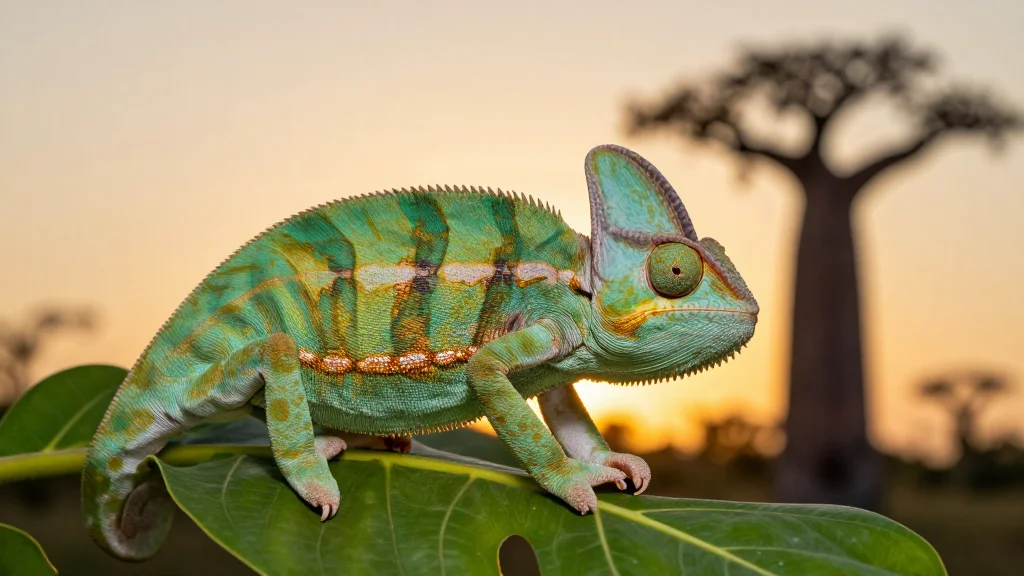
Madagascar Reemerges as a Premier Adventure Destination for 2026

Why It Matters
Madagascar’s resurgence signals a shift in adventure travel toward destinations that combine unique biodiversity with a commitment to sustainability. By easing entry barriers and improving connectivity, the island can attract higher‑spending tourists while generating revenue for local communities and conservation projects. The emphasis on responsible visitation also sets a benchmark for other emerging markets seeking to protect fragile ecosystems while capitalizing on tourism demand. The move also diversifies the global adventure portfolio, offering travelers alternatives to over‑touristed regions. As climate change reshapes travel patterns, Madagascar’s varied microclimates and endemic species provide a resilient draw that could sustain tourism even as other locales face environmental pressures.
Key Takeaways
- •Direct flights from Paris, Istanbul and Dubai reduce travel time by up to 12 hours
- •Visa‑on‑arrival fee set at $35 for most nationalities
- •Domestic flights now connect Antananarivo to Ranomafana and Isalo parks
- •Crime rates in major cities have dropped due to increased police presence
- •Community‑run reserves offer guided night walks to see rare lemurs responsibly
Pulse Analysis
Madagascar’s 2026 tourism strategy reflects a broader industry trend: leveraging niche appeal while embedding sustainability at the core of the visitor experience. The island’s new air links address a historic pain point—lengthy, arduous journeys—that previously limited its market share. By aligning with premium adventure travelers who value exclusivity and ecological stewardship, Madagascar can command higher average spend per visitor, offsetting the modest scale of its tourism infrastructure.
Historically, Madagascar’s tourism growth has been volatile, hampered by political instability, limited transport options and concerns over health risks. The current government’s coordinated effort—combining visa facilitation, safety improvements and community‑based conservation—represents a more holistic approach than past ad‑hoc campaigns. If the projected 20% rise in arrivals materializes without compromising wildlife habitats, Madagascar could become a case study for other developing islands seeking to balance economic gains with environmental protection.
Looking ahead, the success of Madagascar’s comeback will depend on its ability to maintain the delicate equilibrium between accessibility and preservation. The rollout of a digital safety app and the opening of eco‑lodges suggest a proactive stance, but scaling up infrastructure without diluting the raw, untamed experience that defines the island will be the ultimate test. Investors, tour operators and conservation NGOs will be watching closely as Madagascar charts this ambitious path.
Madagascar Reemerges as a Premier Adventure Destination for 2026
Comments
Want to join the conversation?
Loading comments...