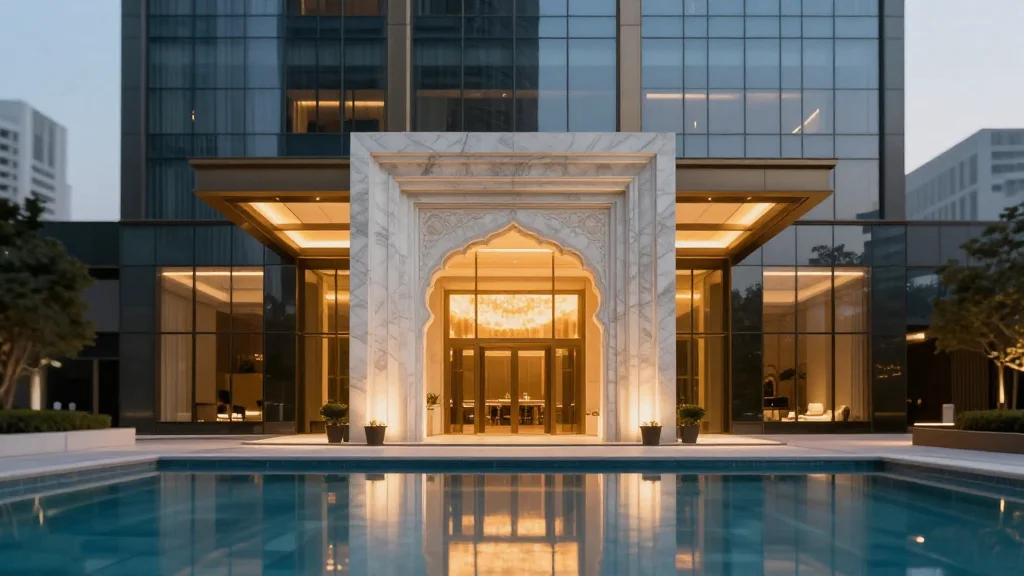
Marriott Opens 220th Indian Hotel in Karnal, Targeting Tier‑2 Luxury Market

Companies Mentioned
Why It Matters
Marriott’s entry into Karnal signals a broader industry trend of moving luxury hospitality into secondary Indian cities, where rising incomes and improved infrastructure are creating new demand. Success could reshape investment patterns, encouraging other global chains to diversify beyond Delhi and Mumbai, thereby expanding upscale travel options for a wider segment of Indian consumers. Conversely, challenges in brand awareness and operational logistics could temper optimism, highlighting the need for nuanced market strategies. For regional economies, the presence of a world‑class hotel can boost ancillary sectors—restaurants, transport, and local attractions—stimulating job creation and tourism revenue. The Noormahal opening thus serves as both a barometer of consumer confidence in tier‑2 destinations and a catalyst for broader economic development.
Key Takeaways
- •Marriott opened Noormahal, a 176‑room Autograph Collection hotel in Karnal, Haryana.
- •The property marks Marriott’s 220th hotel in India and its first luxury hotel in the region.
- •Expansion targets tier‑2 and tier‑3 cities, reflecting rising demand for upscale travel outside metros.
- •Challenges include building brand awareness and adapting services to local cultural preferences.
- •Performance of Noormahal will influence Marriott’s future rollout strategy across secondary Indian markets.
Pulse Analysis
Marriott’s strategic push into tier‑2 cities like Karnal reflects a maturation of India’s travel market. Historically, luxury hotel chains concentrated on Delhi, Mumbai, and Bangalore, where corporate travel and high‑net‑worth tourists clustered. However, the country’s rapid urbanization and infrastructure upgrades—particularly the expansion of highways and regional airports—have democratized access to previously peripheral locales. Marriott’s decision to open a 176‑key property on the historic Grand Trunk Road leverages both the symbolic heritage of the route and the practical connectivity it offers.
From a competitive standpoint, Marriott’s early move could grant it a first‑mover advantage. By establishing brand presence and operational expertise now, it can pre‑empt rivals such as Hilton and Accor, which have announced intentions to explore secondary markets but have yet to commit significant capital. The Autograph Collection’s boutique positioning aligns well with the aspirational travel preferences of India’s emerging affluent class, who seek personalized experiences over standardized offerings.
Nevertheless, the venture carries risk. Luxury demand in tier‑2 cities remains uneven, and occupancy rates can be volatile, especially outside peak business cycles. Marriott will need to invest heavily in localized marketing and staff training to ensure service standards match guest expectations. If the Noormahal hotel can achieve sustainable occupancy and premium pricing, it will validate a scalable model for secondary‑city expansion. Failure, however, could reinforce the entrenched belief that luxury hospitality thrives only in India’s primary metros, prompting a recalibration of growth forecasts across the sector.
Marriott Opens 220th Indian Hotel in Karnal, Targeting Tier‑2 Luxury Market
Comments
Want to join the conversation?
Loading comments...