Mastercard Report Finds Six European Cities Among 2026's Fastest-Growing Travel Hotspots

Companies Mentioned
Why It Matters
The Mastercard findings underscore a pivotal moment for the travel industry: Europe’s ability to attract fast‑growing visitor numbers despite macro‑economic headwinds demonstrates the resilience of experience‑driven tourism. For airlines and hospitality firms, the data signals where to allocate capacity and capital, especially in rail‑linked destinations that promise lower emissions and higher traveler satisfaction. Moreover, the emphasis on affordability and culinary experiences suggests that post‑pandemic travelers are prioritizing value and authenticity over traditional luxury, reshaping product offerings across the sector. For policymakers, the surge in rail spending validates investments in sustainable transport infrastructure and offers a template for other regions seeking to balance tourism growth with climate goals. As European cities climb the fast‑growth rankings, they set a benchmark for how cultural richness, culinary appeal and green mobility can combine to drive tourism recovery and expansion.
Key Takeaways
- •Six European cities, including Paris, rank among the world’s ten fastest‑growing travel destinations for 2026.
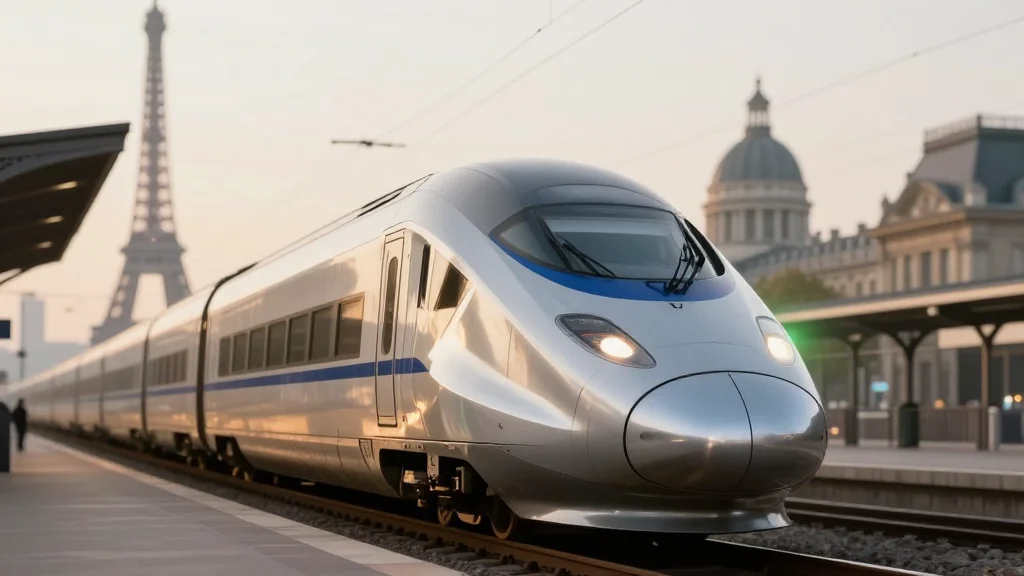
- •Tourist spending on rail travel across Europe increased steadily from 2022 to 2025.
- •Affordability, value‑driven decisions and culinary tourism are key drivers of European visitor growth.
- •The trend occurs despite ongoing geopolitical and economic uncertainty.
- •Mastercard will release a follow‑up travel trends report in early 2027.
Pulse Analysis
Mastercard’s 2026 Travel Trends Report arrives at a crossroads where sustainability and experience are no longer peripheral but central to travel demand. Europe’s six‑city representation in the fast‑growth list reflects a strategic alignment of policy, infrastructure and market positioning. The continent’s extensive rail network, bolstered by EU funding for cross‑border connectivity, offers a tangible low‑carbon alternative that resonates with a traveler base increasingly conscious of its environmental footprint. This shift is likely to pressure airlines to rethink short‑haul routes that compete directly with rail, potentially accelerating the consolidation of airline services into hub‑and‑spoke models that prioritize longer‑distance, higher‑margin flights.
From a competitive standpoint, the data challenges traditional tourism powerhouses in North America and Asia to innovate. While European cities leverage heritage and culinary depth, destinations elsewhere must cultivate comparable experience‑centric narratives to capture growth. The rise of culinary tourism, highlighted in the report, suggests that food can serve as a differentiator, prompting hotels and tour operators to embed local gastronomy into their core offerings.
Looking ahead, the sustainability narrative will likely deepen. As rail travel gains traction, ancillary services—such as eco‑friendly accommodations, carbon‑offset packages, and digital ticketing platforms—will see heightened demand. Companies that can integrate these elements into seamless, value‑driven experiences will capture a larger share of the fast‑growing traveler segment. Conversely, markets that lag in sustainable transport infrastructure risk being sidelined as travelers gravitate toward greener, experience‑rich itineraries.
Mastercard Report Finds Six European Cities Among 2026's Fastest-Growing Travel Hotspots
Comments
Want to join the conversation?
Loading comments...