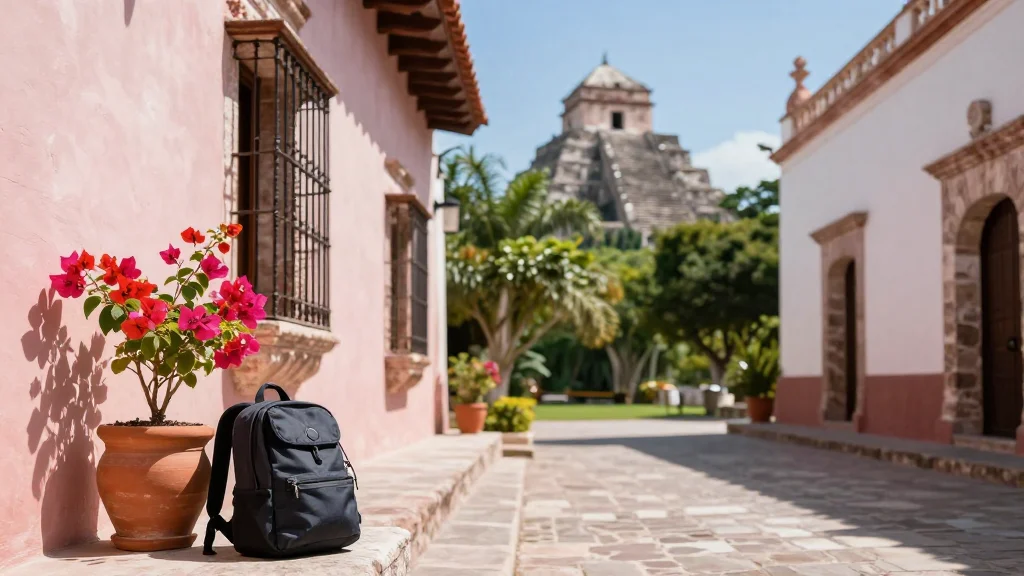
Maya Ruins Turn Yucatán Into Digital Nomad Hotspot, Home Prices Hit $200K

Why It Matters
The Yucatán’s rise as a digital‑nomad hub signals a new model for heritage tourism, where long‑term residency fuels sustainable economic development rather than seasonal spikes. By converting cultural landmarks into everyday work environments, the region demonstrates how remote‑work trends can revitalize rural economies while preserving historic identity. However, the accompanying rise in property values highlights the need for policy frameworks that protect affordable housing and prevent cultural displacement. If other heritage‑rich locales replicate this formula, the travel industry could see a pivot from short‑term cruise‑like visits to deeper, community‑integrated experiences. This shift would demand new infrastructure—reliable broadband, coworking spaces, and affordable housing—while also prompting governments to balance tourism growth with cultural stewardship.
Key Takeaways
- •Digital nomads are choosing Yucatán’s interior over traditional beach destinations.
- •Average home price in Mérida’s historic center has risen to about $200,000.
- •Chichén Itzá now tops Teotihuacán and Tulum as a cultural tourism magnet.
- •Rising rents spark gentrification concerns among long‑time residents.
- •The “slowmading” trend blends heritage immersion with remote‑work productivity.
Pulse Analysis
The Yucatán’s transformation reflects a convergence of two macro‑trends: the democratization of remote work and the monetization of cultural heritage beyond fleeting tourism. Historically, heritage sites generated revenue through short‑term visitors, creating seasonal economies vulnerable to global shocks. By attracting remote workers who spend months, even years, the region secures a steadier cash flow that can fund preservation projects and local entrepreneurship.
From a competitive standpoint, Yucatán’s advantage lies in its low cost of living, reliable internet infrastructure, and a unique cultural calendar anchored by Maya ruins. This differentiates it from other emerging nomad hotspots like Medellín or Bali, where the novelty factor may wear off. However, the rapid appreciation of property values introduces a classic supply‑demand imbalance. If local authorities fail to implement affordable‑housing safeguards, the market could tip toward speculative investment, eroding the very authenticity that draws nomads.
Looking ahead, policymakers should consider zoning incentives for mixed‑use developments that preserve historic façades while providing modern amenities. Partnerships between heritage NGOs and coworking operators could create curated experiences that further embed remote workers into the community fabric. As the Yucatán model gains visibility, other heritage‑rich regions may adopt similar strategies, potentially reshaping the global travel ecosystem from a transaction‑based model to a residency‑based one, with profound implications for tourism revenue streams, cultural preservation, and urban planning.
Maya Ruins Turn Yucatán into Digital Nomad Hotspot, Home Prices Hit $200K
Comments
Want to join the conversation?
Loading comments...