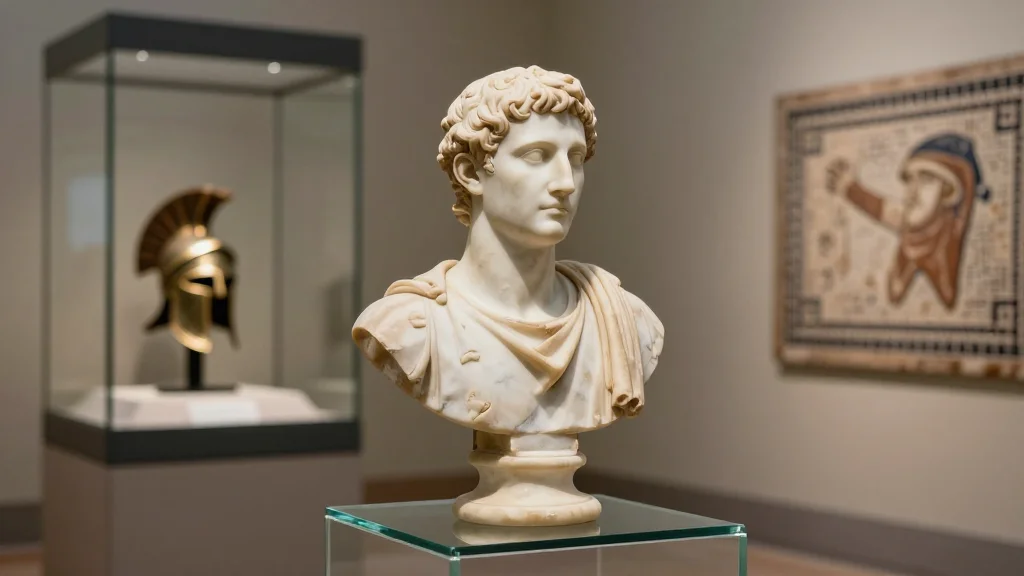
Melbourne Museum Launches 'ROME: Empire, Power, People' With 180 Ancient Artifacts

Why It Matters
The "ROME: Empire, Power, People" exhibition signals a strategic shift for Victoria’s tourism sector, moving toward high‑value cultural experiences that attract affluent, education‑oriented travelers. By showcasing world‑class artifacts and pairing them with immersive technology, culinary events, and film screenings, the exhibition creates a multi‑dimensional product that can command premium pricing and longer visitor stays. Beyond immediate economic impact, the show strengthens Australia’s cultural diplomacy with Italy, fostering future collaborations that could bring more international collections to Australian audiences. This deepened partnership may also inspire local artists and designers, feeding a creative ecosystem that benefits both the tourism and creative industries.
Key Takeaways
- •Melbourne Museum opens "ROME: Empire, Power, People" with 180+ Roman artifacts
- •Exhibition features themed zones, multimedia, and a custom scent by Salus Body
- •Minister Colin Brooks highlights the exhibition as a creative‑industry partnership
- •Early ticket sales exceed expectations, boosting cultural tourism in Victoria
- •Program includes Italian food, film screenings, and educational workshops
Pulse Analysis
The launch of "ROME: Empire, Power, People" marks a watershed moment for Australian cultural tourism, illustrating how museums can act as economic engines. Historically, Australian institutions have relied on domestic collections; this exhibition flips that script by importing a globally significant trove, thereby raising the bar for future collaborations. The integration of sensory design—sound, scent, and visual projection—mirrors trends seen in leading European museums, suggesting Melbourne is adopting best‑in‑class visitor engagement tactics.
From a competitive standpoint, the exhibition pits Melbourne against other Australian cities vying for cultural capital, such as Sydney’s Art Gallery and Adelaide’s Festival Centre. By delivering a uniquely immersive Roman experience, Melbourne differentiates itself and may capture a larger share of international visitors whose itineraries now prioritize heritage sites. The partnership with Brunetti Classico and the inclusion of film screenings also illustrate a cross‑sector approach, blending food, cinema and history to extend dwell time and per‑visitor spend.
Looking forward, the exhibition’s success could catalyze a pipeline of similar high‑profile loans, encouraging Australian museums to negotiate more ambitious agreements with European institutions. If attendance sustains, the model may attract private sponsors seeking brand alignment with cultural prestige, further diversifying funding streams for the arts. Ultimately, the exhibition not only enriches Melbourne’s cultural landscape but also provides a template for leveraging heritage assets to drive tourism growth in a post‑pandemic world.
Melbourne Museum Launches 'ROME: Empire, Power, People' with 180 Ancient Artifacts
Comments
Want to join the conversation?
Loading comments...