Melbourne’s North‑South Divide: Which Side Fits Your Travel Style?

Companies Mentioned
Why It Matters
Understanding Melbourne’s north‑south dichotomy helps travelers allocate time and budget more efficiently, reducing the risk of missing attractions that align with their interests. The split also reflects broader urban trends where socioeconomic factors shape tourism experiences, offering a micro‑case study for city planners worldwide. For the local economy, the clear division encourages diversified investment: luxury retailers and high‑end hospitality thrive in the south, while creative industries and independent eateries flourish in the north. This balance sustains a vibrant tourism ecosystem that can adapt to shifting visitor preferences.
Key Takeaways
- •South side offers St Kilda Beach, multi‑million‑dollar pier restoration and upscale nightlife.
- •North side features Fitzroy’s laneways, independent cafés and a strong street‑art scene.
- •Royal Botanic Gardens provides a 94‑acre green space with Indigenous heritage walks.
- •South Melbourne Market, operating since 1867, showcases multicultural food stalls.
- •Both sides are linked by efficient tram and train services, enabling easy cross‑river travel.
Pulse Analysis
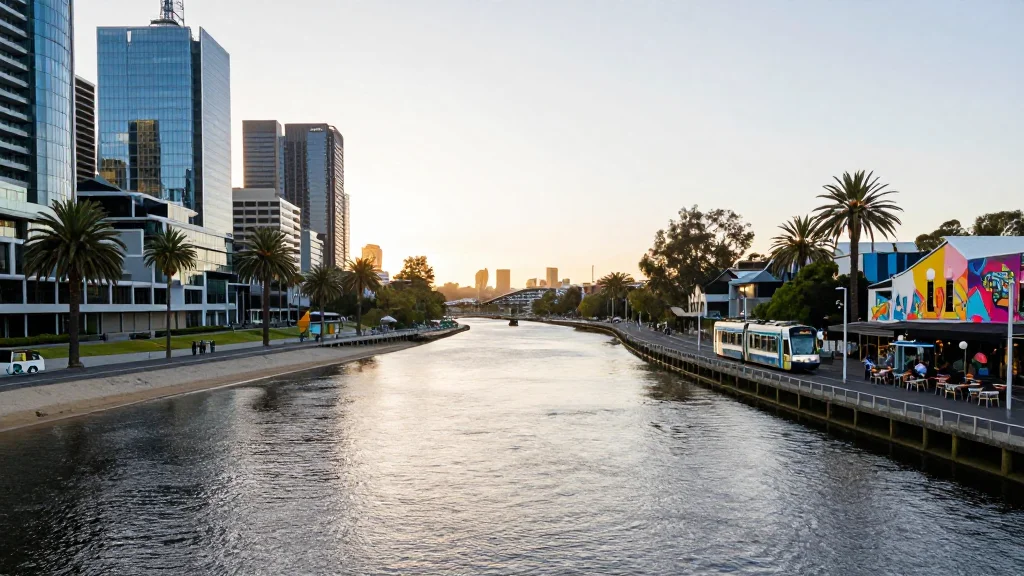
Melbourne’s bifurcated identity is not a novelty; it mirrors the evolution of many global cities where historic waterways become cultural fault lines. The Yarra River, once a trade route, now serves as a branding tool that marketers exploit to sell distinct experiences. This segmentation benefits the city by attracting a broader visitor demographic, but it also risks reinforcing socioeconomic divides if not managed carefully.
Historically, Melbourne’s south side attracted wealthier settlers, leading to the development of grand villas and later, high‑end retail corridors. The north, by contrast, grew around industrial hubs and immigrant communities, fostering a more eclectic, grassroots culture. As travel preferences shift toward authentic, experience‑driven tourism, the north’s appeal is rising, especially among millennials and Gen Z travelers who prioritize local flavor over luxury.
Looking ahead, the city’s challenge will be to maintain the complementary nature of both sides while ensuring equitable access to amenities. Initiatives like subsidized tram fares for tourists and joint north‑south festivals could blur the divide, offering a more integrated narrative that still respects each area’s unique character. For travel planners, the key takeaway is to treat Melbourne not as a monolith but as two complementary destinations that together deliver a richer, more nuanced visit.
Melbourne’s North‑South Divide: Which Side Fits Your Travel Style?
Comments
Want to join the conversation?
Loading comments...