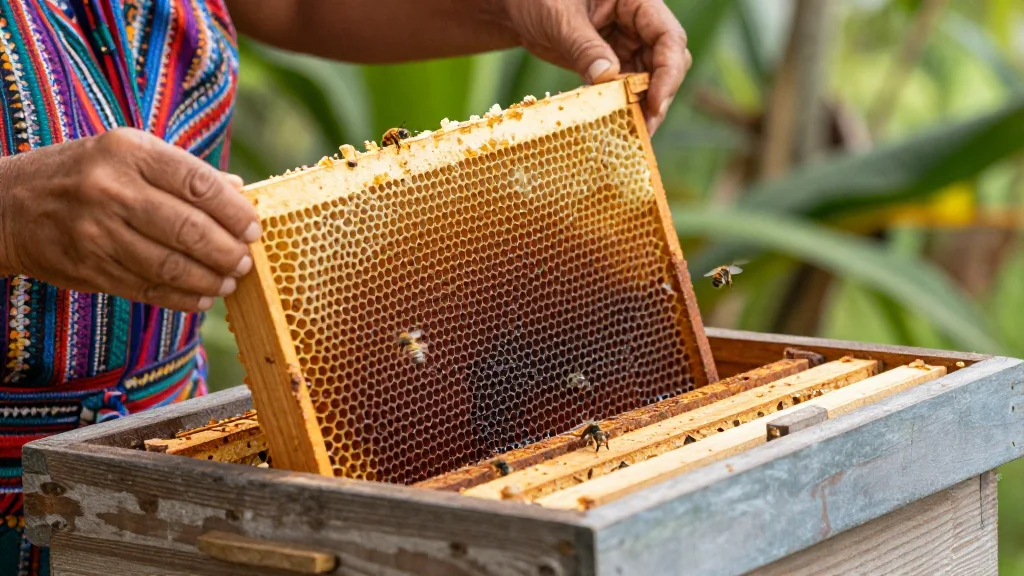
Mexican Women Beekeepers Turn Stingless Bee Conservation Into Eco‑Travel Hub

Why It Matters
The Lool‑Ha meliponary illustrates how eco‑tourism can simultaneously preserve biodiversity, sustain cultural traditions, and stimulate rural economies. By showcasing a living example of pollinator stewardship, the project raises awareness of the critical role native bees play in food security and ecosystem health, a message that resonates far beyond Mexico’s borders. As global travel rebounds, destinations that embed conservation into the visitor experience are poised to capture a growing market segment of environmentally conscious travelers. Successful models like Maní’s can influence policy, attract funding for similar initiatives, and inspire a shift toward tourism that contributes positively to the planet rather than merely consuming its resources.
Key Takeaways
- •Doña Eliza Interián Bojorquez and nine women have run Lool‑Ha meliponary for 12 years
- •Melipona beecheii is one of 46 native stingless bee species in Mexico
- •75 % of global crops rely on animal pollination, highlighting bees’ importance
- •Eco‑tourism fees and honey sales provide supplemental income for Maní’s residents
- •Maní’s "pueblo mágico" status boosts visibility and supports sustainable tourism
Pulse Analysis
Lool‑Ha’s rise reflects a broader pivot in the travel industry toward regenerative experiences that deliver tangible environmental benefits. Historically, tourism in the Yucatán has centered on beaches and archaeological sites; the emergence of pollinator‑focused itineraries diversifies the region’s appeal and mitigates over‑reliance on a single attraction class. This shift aligns with data from the World Travel & Tourism Council, which projects that eco‑travel will account for a larger share of post‑pandemic growth as travelers prioritize purpose over price.
From a competitive standpoint, Maní’s model leverages unique cultural capital—centuries‑old Maya beekeeping practices—that cannot be easily replicated elsewhere. This creates a defensible niche against larger tour operators that offer generic nature tours. However, scaling the model will require careful management of visitor impact to avoid disrupting the fragile ecosystems that the meliponaries protect. Partnerships with academic institutions could provide the scientific monitoring needed to balance tourism pressure with bee health.
Looking forward, policy makers could amplify the impact by integrating stingless‑bee conservation into regional tourism strategies, offering tax incentives for community‑run eco‑ventures, and funding research on pollination services. If replicated across other "pueblos mágicos," this approach could generate a network of conservation‑tourism hubs, contributing to Mexico’s biodiversity targets while delivering sustainable livelihoods for rural women. The success of Lool‑Ha suggests that when travelers, tradition, and environmental stewardship intersect, the result is a resilient tourism model that benefits both people and the planet.
Mexican Women Beekeepers Turn Stingless Bee Conservation into Eco‑Travel Hub
Comments
Want to join the conversation?
Loading comments...