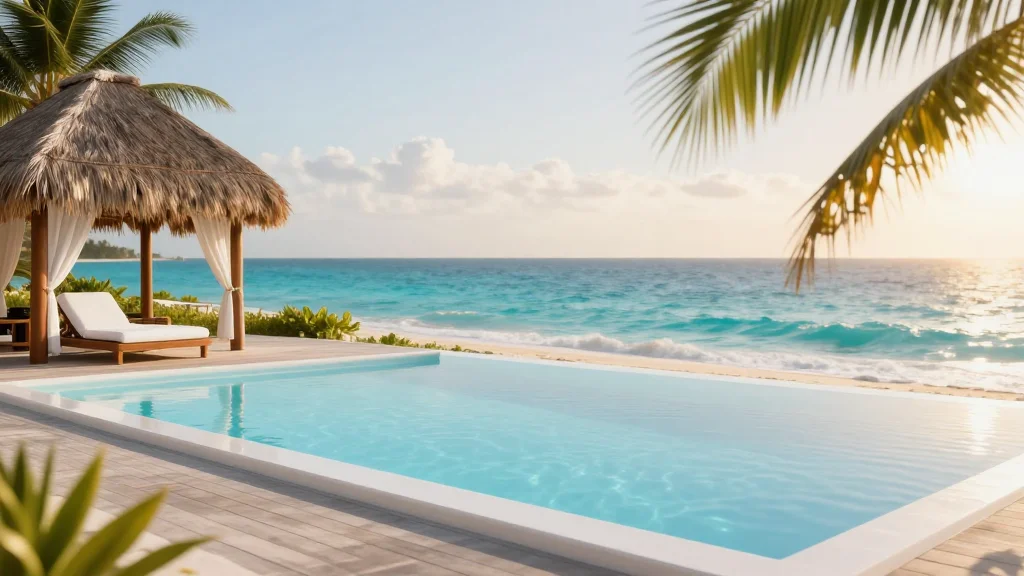
Mexico Pushes Slow‑Travel, Wellness Retreats for Multigenerational Families in 2026

Why It Matters
The Mexican initiative signals a broader industry pivot from high‑velocity sightseeing to experience‑rich, health‑focused travel. By prioritizing slow itineraries and wellness, Mexico is tapping into a growing segment of families that value quality time, cultural depth and sustainable practices. If the model delivers longer stays and higher spend, it could reshape product development across the global travel sector, prompting competitors to redesign resorts, tour packages and digital tools to meet similar expectations. For policymakers, the program offers a template for aligning tourism growth with community resilience. The emphasis on local businesses, eco‑tourism and safety standards demonstrates how destination branding can be leveraged to protect both visitors and host populations, a balance that will become increasingly critical as travel rebounds post‑pandemic.
Key Takeaways
- •Mexico's tourism board launched a family‑focused slow‑travel program in 2026.
- •Resorts in Cancun, Playa del Carmen and Riviera Maya now offer multi‑bedroom suites with dedicated wellness zones.
- •Government data shows multigenerational trips are generating longer average stays and higher satisfaction rates.
- •Digital platforms provide itinerary tools tailored to families, filtering by age, safety and wellness criteria.
- •Sustainable tourism initiatives promote eco‑tours in Oaxaca, San Miguel de Allende and Chiapas, supporting local economies.
Pulse Analysis
Mexico's 2026 family travel strategy builds on a decade of incremental shifts toward experiential tourism. Earlier campaigns emphasized short‑term beach getaways; the current focus on slow travel and wellness reflects a maturation of consumer preferences, especially among affluent families willing to invest in health and cultural immersion. By bundling multi‑generational accommodations with wellness programming, Mexico differentiates itself from Caribbean competitors that remain oriented toward rapid turnover and nightlife.
The economic upside hinges on extending the average length of stay, which historically correlates with higher per‑guest revenue. Early indicators—longer bookings and elevated satisfaction scores—suggest the model is resonating. However, success will depend on consistent delivery of safety standards, seamless digital planning and genuine local engagement. If Mexico can maintain these pillars, the initiative may inspire neighboring nations to adopt similar frameworks, potentially reshaping the competitive dynamics of Latin American tourism.
From a sustainability perspective, the program aligns with global calls for responsible travel. By directing families to lesser‑known destinations and promoting eco‑friendly activities, Mexico mitigates overtourism in saturated hotspots while distributing economic benefits more evenly. The challenge will be scaling these practices without diluting the curated, high‑touch experience that early adopters expect. Continued monitoring of occupancy trends, guest spend and community impact will determine whether the slow‑travel model becomes a lasting paradigm or a niche offering.
Mexico Pushes Slow‑Travel, Wellness Retreats for Multigenerational Families in 2026
Comments
Want to join the conversation?
Loading comments...