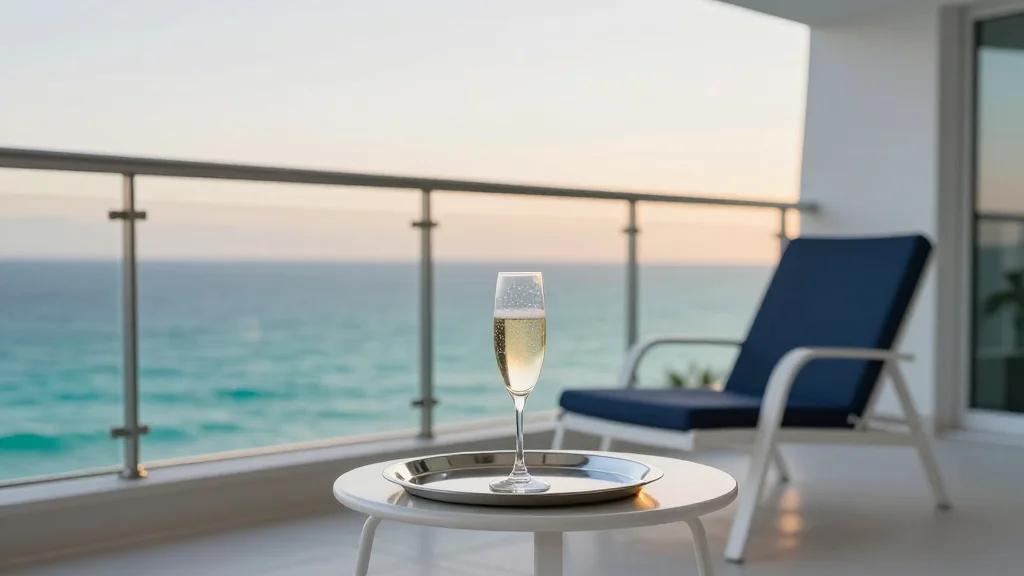
Miami Beach Rolls Out New Hotels, Dining and Events for 2026 Travel Season

Companies Mentioned
Why It Matters
The new hotel and cultural investments signal Miami Beach’s intent to compete directly with other upscale coastal markets such as Santa Monica and the Hamptons, where experiential travel is reshaping visitor expectations. By marrying historic preservation with cutting‑edge design, the city hopes to attract affluent travelers who value authenticity as much as luxury. The emphasis on culinary innovation and year‑round programming also diversifies revenue streams, reducing reliance on the traditional summer peak and providing more stable employment for local hospitality workers. At the same time, the rapid rollout raises questions about sustainability and community impact. If the city can integrate green building practices and protect its marine environment while delivering high‑end experiences, it could become a model for other destinations grappling with the twin pressures of growth and conservation.
Key Takeaways
- •Miami Beach announced new hotels Casa Cañita, UNFRAMED Miami Beach and Dolce Miami Beach for 2026.
- •James Beard Award‑winning Chef Michelle Bernstein opens La Cañita Beach restaurant on Ocean Drive.
- •Visitor and Convention Authority projects a 7% increase in overnight stays for the 2026 season.
- •Immersive art installations will be placed beneath the ocean surface, emphasizing eco‑friendly design.
- •Preservation groups warn that rapid development could threaten the city’s Art Deco heritage.
Pulse Analysis
Miami Beach’s 2026 rollout reflects a broader shift in the travel industry toward hyper‑personalized, design‑centric experiences. Travelers are no longer satisfied with generic beach stays; they seek destinations that tell a story through architecture, food and culture. By leveraging its unique Art Deco inventory while injecting contemporary hospitality concepts, Miami Beach is positioning itself at the intersection of nostalgia and novelty, a sweet spot that commands premium pricing.
The city’s strategy also underscores the growing importance of public‑private collaboration. The Visitor and Convention Authority’s role in curating events and aligning developers with sustainability goals demonstrates how destination marketing organizations can act as catalysts for responsible growth. If Miami Beach can meet its projected visitor increase without compromising its environmental assets, it could set a benchmark for other coastal cities facing similar development pressures.
However, the success of this approach hinges on execution. The balance between preserving historic character and accommodating modern luxury must be managed carefully to avoid alienating both heritage advocates and high‑end travelers. Moreover, the promised green certifications and marine‑friendly art installations will need transparent reporting to satisfy increasingly eco‑conscious tourists. The next few months will reveal whether Miami Beach can deliver on its ambitious promise without sacrificing the very qualities that make it a destination.
Miami Beach Rolls Out New Hotels, Dining and Events for 2026 Travel Season
Comments
Want to join the conversation?
Loading comments...