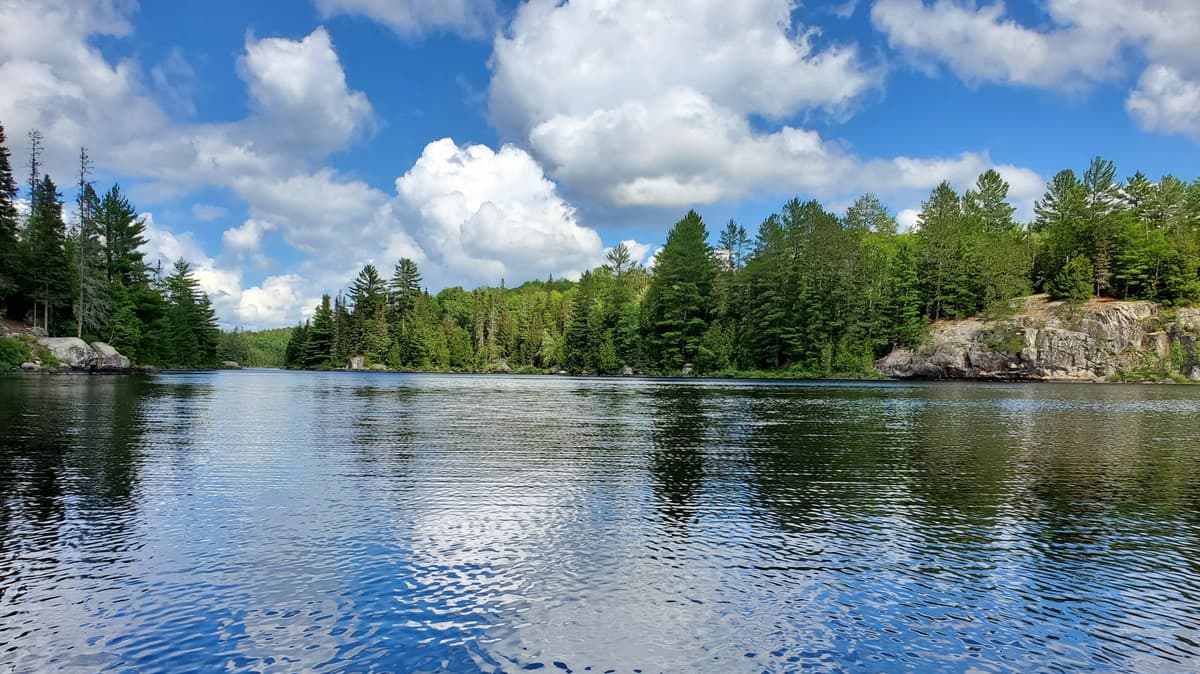
Michigan's Most Remote State Park Is A Wilderness Escape With Gorgeous Lake Views And Cozy Cabins
Companies Mentioned
Why It Matters
The park adds a high‑value, low‑crowd outdoor destination that can boost regional tourism while preserving a large tract of natural habitat. Its remote appeal meets growing demand for authentic nature getaways among adventure‑seeking travelers.
Key Takeaways
- •Craig Lake State Park spans 9,700 acres of remote wilderness
- •Access requires high‑clearance, four‑wheel‑drive vehicles on rough roads
- •Park offers hike‑in campsites, paddle‑in sites, yurts, and cabins
- •Motorboats prohibited on Craig Lake; Keewaydin Lake permits motorized vessels
Pulse Analysis
Remote parks are becoming premium assets for travelers seeking solitude, and Michigan's Upper Peninsula delivers that promise with Craig Lake State Park. The 9,700‑acre preserve combines pristine water, granite bluffs, and dense forests, creating a backdrop that rivals more famous national parks. While the park’s isolation—requiring a high‑clearance, four‑wheel‑drive vehicle and a modest recreation passport fee—limits casual foot traffic, it also cultivates an exclusive experience that appeals to seasoned hikers, paddlers, and wildlife enthusiasts.
The park’s diverse offerings cater to year‑round adventure. In summer, anglers chase black crappie, largemouth bass, and northern pike in the crystal‑clear Craig Lake, while hikers tackle the two‑hour Craig Lake Trail for panoramic views. Winter transforms the landscape into a cross‑country skiing and snowshoeing haven, and ice fishing adds another layer of activity. Accommodations range from primitive backcountry sites to two yurts and two cabins, each providing basic comforts without electricity, reinforcing the park’s back-to‑nature ethos.
Economically, Craig Lake State Park supports nearby towns such as Michigamme and Three Lakes, driving demand for local services, guide outfits, and supply stores. The recreation passport system generates modest revenue that can fund maintenance and conservation initiatives, ensuring the park’s ecosystems remain intact. Prospective visitors should plan ahead—securing a passport, confirming vehicle suitability, and booking cabins early—to fully capitalize on this secluded wilderness gem.
Michigan's Most Remote State Park Is A Wilderness Escape With Gorgeous Lake Views And Cozy Cabins
Comments
Want to join the conversation?
Loading comments...