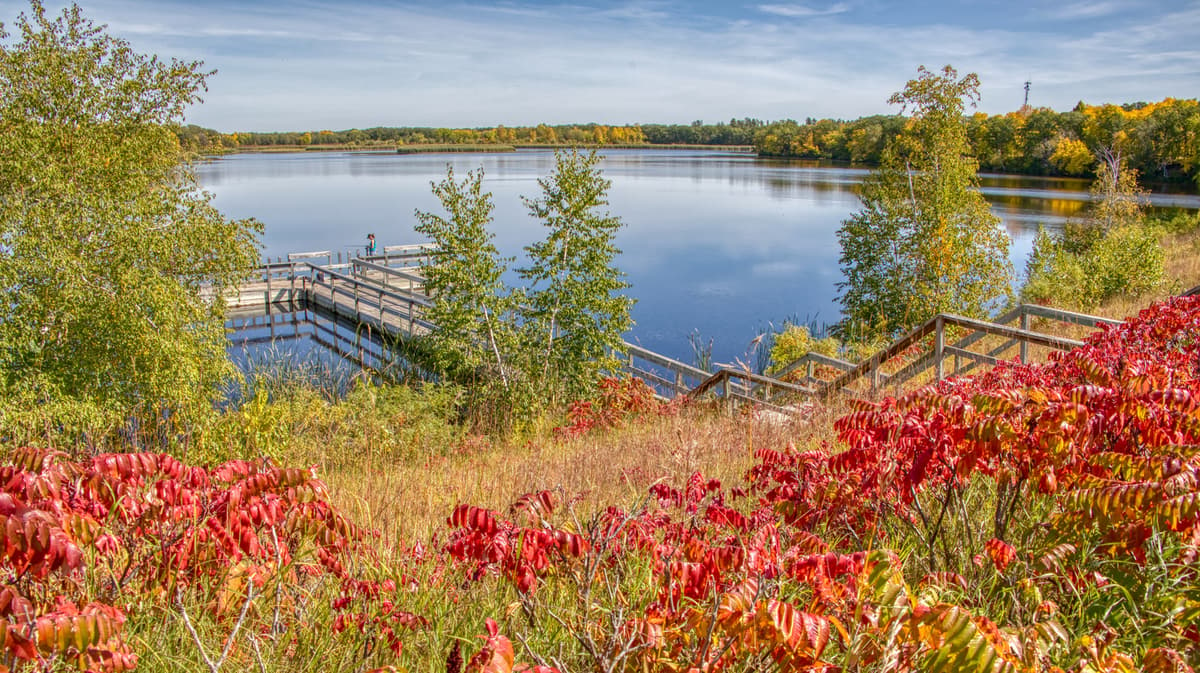
Minnesota's Largest State Park Observation Tower Is In A Lakeside Destination Near The Canadian Border
Why It Matters
The park’s unique blend of historic infrastructure, biodiversity, and cross‑border proximity makes it a key driver of regional tourism and outdoor recreation revenue. The dam closure temporarily curtails water‑based income but highlights the importance of infrastructure investment for long‑term visitor appeal.
Key Takeaways
- •Lake Bronson State Park hosts Minnesota's largest state‑park observation tower
- •Tower originally built as WPA water tower in 1930s, now historic
- •Park offers year‑round trails, birding, elk viewing, and winter sports
- •Dam renovation closes lake until July 2027, affecting water recreation
- •Nearest major city Winnipeg, Canada, is 90 miles north
Pulse Analysis
Minnesota’s state‑park system has long leveraged its natural lake network to attract tourists, but Lake Bronson State Park stands out by pairing a man‑made reservoir with the state’s biggest observation tower. The stone tower, originally a Works Progress Administration water tower constructed in the 1930s, now offers panoramic views of prairie, forest, and wildlife. Its historic character adds cultural depth to the park, appealing to visitors who value both outdoor recreation and heritage preservation.
Ecologically, the park sits at a transition zone where prairie gives way to dense forest, fostering a rich mosaic of habitats. This diversity supports species ranging from elk and black bears to the endangered horned grebe, making the site a flagship stop on the Pine to Prairie International Birding Trail. Seasonal attractions—fall foliage, spring wildflowers, winter cross‑country skiing—draw a steady flow of outdoor enthusiasts, bolstering local economies on both sides of the border, especially in nearby Winnipeg and Grand Forks.
The ongoing dam renovation, slated for completion in July 2027, temporarily suspends boating, fishing, and swimming, which reduces water‑based revenue for the park and surrounding businesses. However, the project underscores the necessity of maintaining infrastructure to ensure safety and long‑term ecological health. As land‑based amenities remain open, the park continues to generate visitor traffic, and the anticipated reopening promises a resurgence of water recreation, potentially increasing seasonal visitation and supporting regional tourism growth.
Minnesota's Largest State Park Observation Tower Is In A Lakeside Destination Near The Canadian Border
Comments
Want to join the conversation?
Loading comments...