Minnesota's Once-Thriving Ghost Town Was Abandoned Before Transforming Into A Scenic State Park
Why It Matters
The park illustrates how deindustrialized sites can be transformed into high‑value outdoor assets, boosting regional tourism and preserving cultural history. Its success signals a replicable model for other ghost towns seeking economic revitalization through conservation.
Key Takeaways
- •Banning State Park sits on former 1890s sandstone quarry town.
- •Quarry closed in 1912, park established in 1963.
- •Trails follow historic railroad, showcasing drilling holes and cutting house.
- •Day-use fee $7; camping starts at $24 per night.
- •Kettle River offers whitewater rafting and guided paddling tours.
Pulse Analysis
Minnesota’s state‑park system, second only to New York’s, has a long tradition of converting underused lands into public assets. Banning State Park epitomizes this legacy: a once‑busy quarry town that vanished when steel demand shifted, leaving behind sandstone cliffs and rail‑grade paths. By preserving the industrial imprint—drilling holes, cutting houses, and old track beds—the park offers a tangible lesson in late‑19th‑century immigration labor patterns and the boom‑bust cycles that shaped the Upper Midwest.
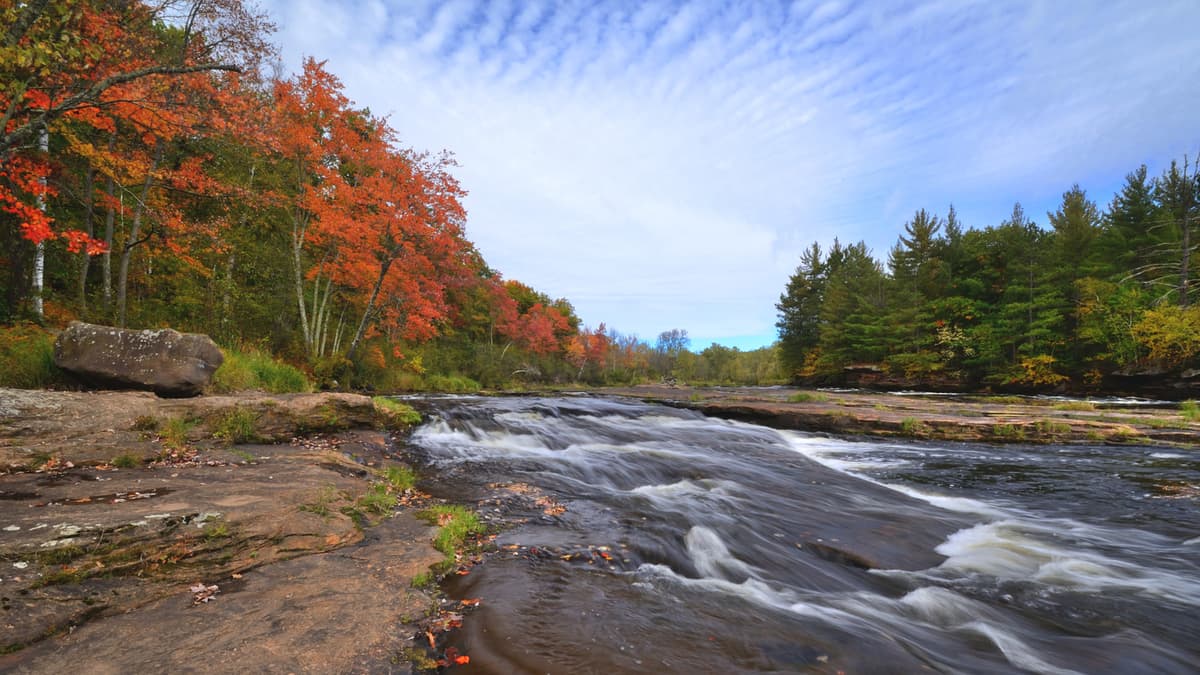
Beyond its historical narrative, Banning delivers a diverse outdoor portfolio that fuels the regional economy. The 1.8‑mile Quarry Loop provides an easy hike with interpretive signage, while the Kettle River’s designated Wild and Scenic stretch attracts white‑water rafters, canoeists, and guided paddle tours from May through September. Rock‑climbing, bouldering, and 33 wooded campsites—including canoe‑in sites—draw weekenders from Minneapolis‑St. Paul and Duluth, generating ancillary revenue for local businesses such as Chris’ Food Center and nearby lodging providers.
Banning’s evolution mirrors a broader national trend: repurposing ghost towns into recreation hubs that marry heritage tourism with conservation. By protecting the sandstone bluffs and tamarack wetlands, the park safeguards biodiversity while offering educational experiences. This dual focus enhances visitor engagement, encourages repeat trips, and positions Minnesota as a case study for policymakers aiming to turn abandoned industrial sites into sustainable tourism engines.
Minnesota's Once-Thriving Ghost Town Was Abandoned Before Transforming Into A Scenic State Park
Comments
Want to join the conversation?
Loading comments...