Why It Matters
Understanding true bodegas helps tourists and wine enthusiasts locate genuine cultural venues, boosting Madrid’s niche wine‑tourism market. It also highlights how regulation reshapes historic drinking establishments.
Key Takeaways
- •Bodegas Rosell, 1920 origin, €4.20 Rioja (~$4.60).
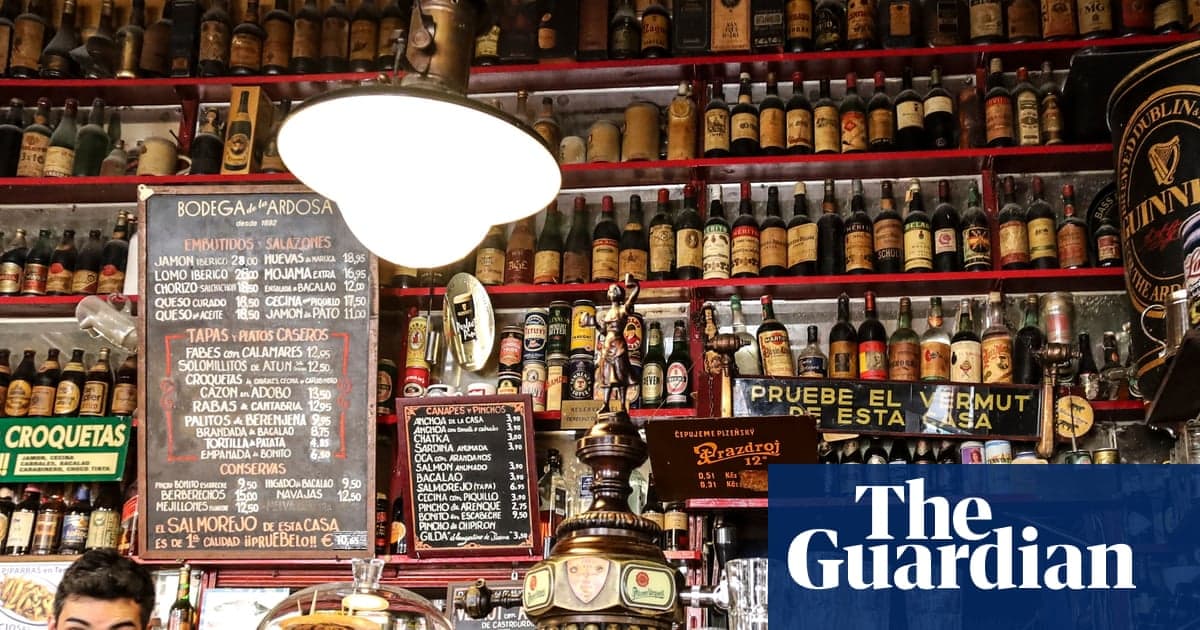
- •Bodega de la Ardosa serves in‑house vermouth, €2.80 Ribera (~$3.10).
- •La Venencia, Hemingway haunt, bans photos and tips.
- •Vinícola Mentridana renovated 2010, quiet atmosphere.
- •La Taberna del Foro blends bodega, restaurant, founded 1929.
Pulse Analysis
Madrid’s wine‑tourism sector has surged as travelers chase authentic "bodega" experiences, yet the term remains fluid. Historically, a bodega combined cellar, shop, and bar, but modern usage often blurs with convenience stores or full‑service restaurants. This ambiguity forces visitors to sift through listings, making curated guides valuable. By spotlighting venues that retain a singular focus on wine and historic décor, the article clarifies what constitutes a true bodega, catering to a growing audience that values cultural depth over generic nightlife.
The highlighted bodegas illustrate how heritage and regulation intersect. Bodegas Rosell, founded in 1920, survived the Spanish Civil War by sheltering civilians, while La Venencia preserves Hemingway’s legacy and even bans tipping to honor its republican roots. Conversely, places like La Taberna de La Copla have abandoned the pure bodega model, citing stringent licensing and a limited wine‑only market. Such shifts underscore a broader trend: historic wine bars must adapt or risk closure, prompting a delicate balance between preserving tradition and meeting modern business demands.
For the visitor, these establishments offer affordable, immersive experiences—prices range from roughly $3 for a Ribera at Bodega de la Ardosa to $7.90 for a cheese toastie at Vinícola Mentridana. Their modest costs, combined with authentic atmospheres, make them attractive alternatives to pricier tourist traps. Moreover, the concentration of bodegas near transit hubs like Atocha and Malasaña enhances accessibility, reinforcing Madrid’s reputation as a European wine‑culture hotspot. By navigating these nuanced venues, travelers contribute to the local economy while supporting the preservation of Spain’s vinicultural heritage.
My search for the perfect bodega in Madrid
Comments
Want to join the conversation?
Loading comments...