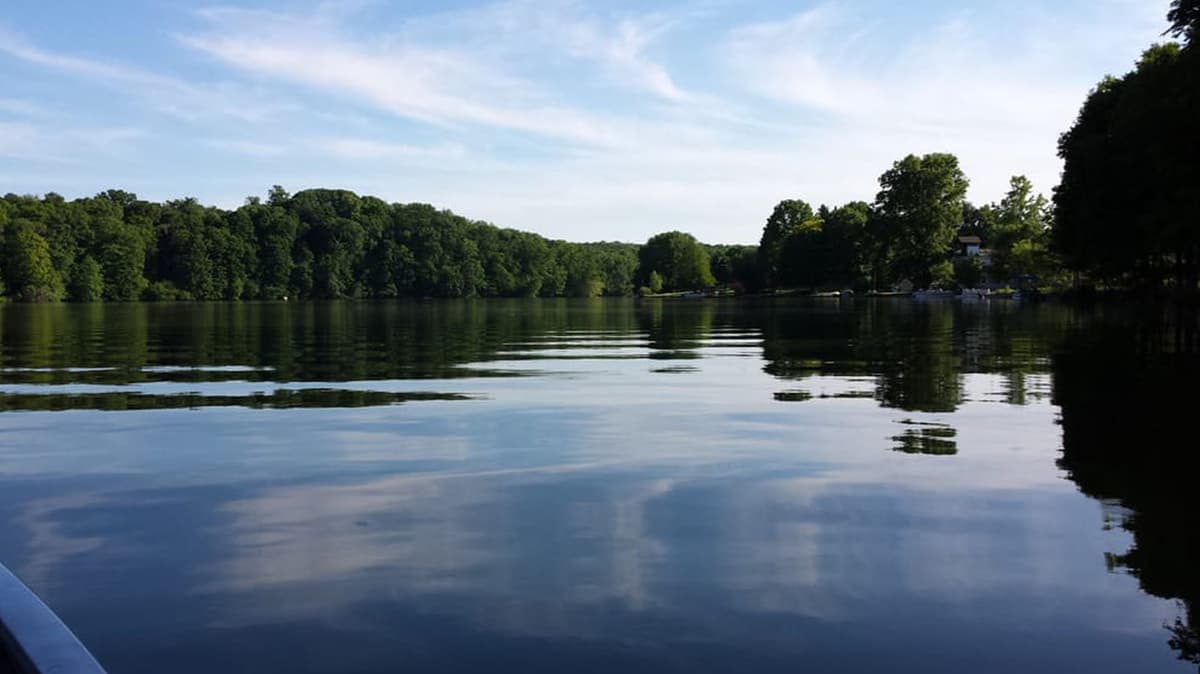
Nestled Between Cleveland And Columbus Is A Scenic Ohio Wildlife Area For Trophy Fishing And Lake Views
Why It Matters
The lake’s thriving bass population fuels regional sport‑fishing tourism, supporting local businesses and reinforcing Ohio’s reputation as a premier outdoor destination. Its inclusive facilities broaden access, driving economic activity beyond nearby urban hubs.
Key Takeaways
- •756‑acre wildlife area with 11 miles shoreline
- •Trophy largemouth bass often exceed 21 inches
- •Two marinas support motorboats under 10 hp
- •Wheelchair‑friendly pier enhances inclusive angling
- •Within 60 miles of Columbus, 100 miles of Cleveland
Pulse Analysis
Knox Lake Wildlife Area, a 756‑acre preserve anchored by a 469‑acre reservoir, has become Ohio’s flagship trophy‑bass destination. Constructed in 1954 by damming the Kokosing River, the lake’s design intentionally left upper‑basin timber for cover, fostering a self‑sustaining largemouth bass population that now averages larger sizes than comparable reservoirs. The 2020 renovation added a pedestrian bridge and a wheelchair‑accessible fishing pier, while two marinas—each limited to 10‑horsepower boats—ensure anglers can easily launch without overcrowding the water.
Beyond its ecological appeal, Knox Lake drives measurable economic activity. Anglers flock from Columbus, Cleveland, and beyond, patronizing local outfitters such as Big Fish General Store & Bait and the Knox Marine boat dealership for gear, bait, and boat services. Nearby lodging options—from Mount Vernon hotels to Butler B&Bs—capture overnight spending, while the proximity to the Kokosing Lake campground adds a camping draw. The inclusive infrastructure expands the visitor base, encouraging families and disabled anglers, thereby diversifying revenue streams for surrounding communities.
Knox Lake’s success reflects a broader trend in Ohio’s outdoor recreation strategy, which balances conservation with sport‑fishing profitability. State wildlife agencies’ early adoption of size‑limit regulations in the 1980s set a precedent that other reservoirs have followed, boosting fish populations and enhancing angler satisfaction. As demand for nature‑based tourism rises, continued investments in accessibility, habitat management, and ancillary services will likely cement Ohio’s position as a Midwest hub for trophy fishing and wildlife observation.
Nestled Between Cleveland And Columbus Is A Scenic Ohio Wildlife Area For Trophy Fishing And Lake Views
Comments
Want to join the conversation?
Loading comments...