Nestled In Yosemite National Park Is An Underrated Grove Of Giant Trees With Scenic And Peaceful Vibes
Companies Mentioned
Why It Matters
As Yosemite grapples with overcrowding, Tuolumne Grove provides a low‑impact alternative that spreads visitor traffic, preserves the park’s natural experience, and supports local tourism businesses.
Key Takeaways
- •Tuolumne Grove hosts ~25 giant sequoias, including 285‑ft “Big Red.”
- •The 2.5‑mile round‑trip hike sees fewer crowds than Mariposa Grove.
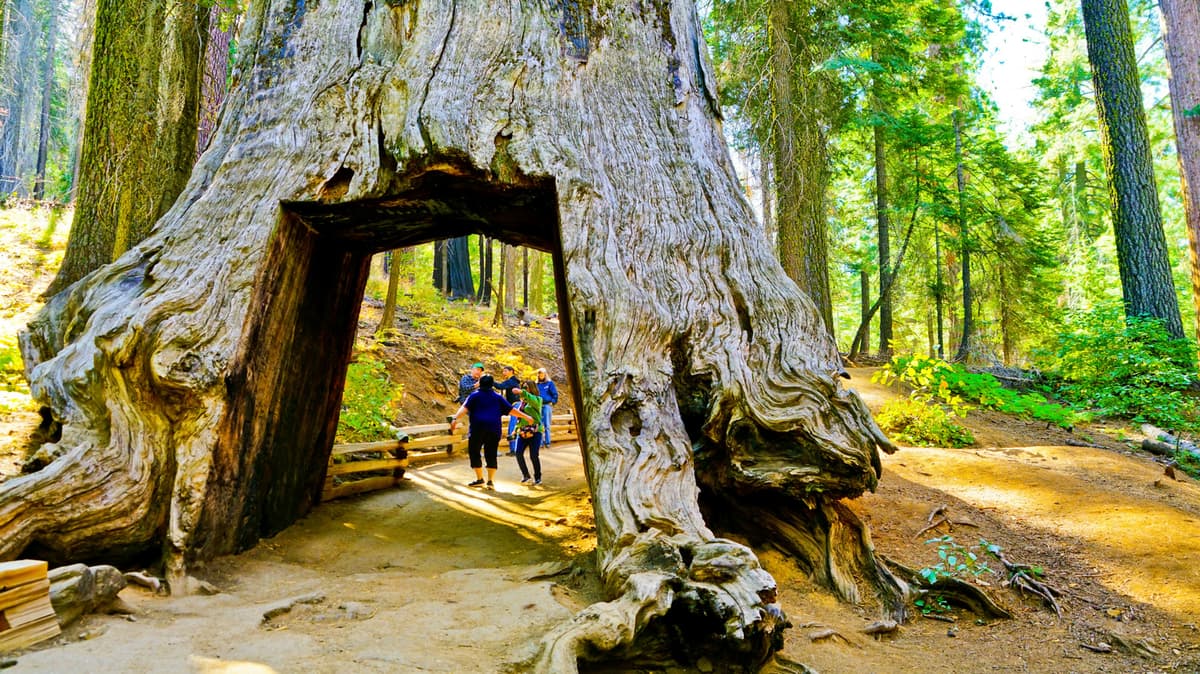
- •Visitors can walk through the historic “Dead Giant” tunnel tree.
- •Year‑round access; winter visits offer snowshoeing and quiet scenery.
- •Nearby lodging includes Crane Flat Campground and Under Canvas Yosemite glamping.
Pulse Analysis
Yosemite’s giant sequoias are among the world’s most iconic natural wonders, drawing millions of tourists each year. While the park’s marquee sites—Yosemite Valley and Mariposa Grove—are essential to its brand, they also generate congestion, long waits, and environmental strain. Industry analysts note that diversifying visitor flow to lesser‑known areas can alleviate pressure on core attractions while extending the economic benefits of tourism across a broader geographic footprint. Tuolumne Grove exemplifies this strategy, offering a compact yet spectacular sequoia experience that aligns with sustainable visitation goals.
The grove’s modest size—about 25 mature giants—doesn’t diminish its appeal. Highlights such as the 285‑foot “Big Red,” the whimsically named “Clothespin Tree,” and the 1878‑cut “Dead Giant” tunnel provide photo‑worthy moments without the throngs typical of Mariposa. A 2.5‑mile round‑trip hike, largely downhill on the way in, can be completed in half a day, making it attractive to families and solo travelers alike. Seasonal advantages, especially quiet winter snowshoeing, further differentiate Tuolumne as a year‑round destination, encouraging off‑peak visitation that smooths demand spikes.
For the local economy, the grove’s proximity to facilities like Crane Flat Campground and the Under Canvas Yosemite glamping resort translates into ancillary revenue streams—camp fees, lodging taxes, and retail sales at nearby gas stations. Park managers can leverage this by promoting Tuolumne Grove in marketing campaigns aimed at eco‑conscious tourists seeking solitude. By directing a portion of the 4 million annual Yosemite visitors toward this underutilized asset, the park can preserve its iconic landscapes, enhance visitor satisfaction, and sustain the surrounding communities.
Nestled In Yosemite National Park Is An Underrated Grove Of Giant Trees With Scenic And Peaceful Vibes
Comments
Want to join the conversation?
Loading comments...