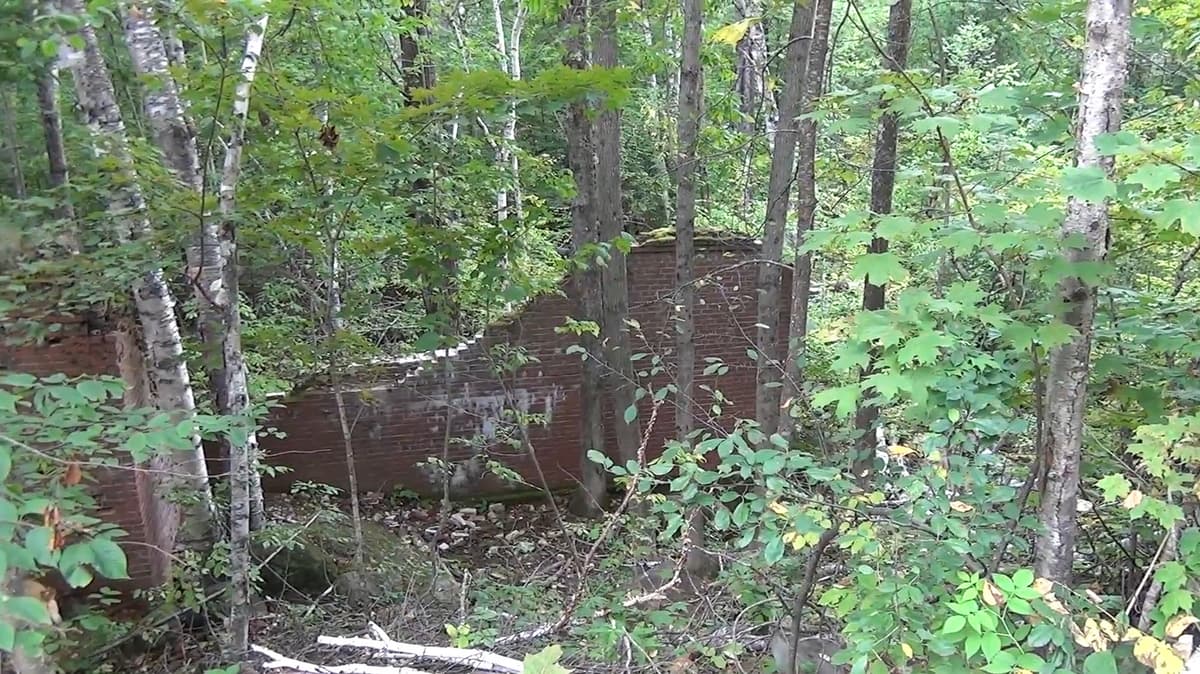
New Hampshire's Once-Thriving Town Is Now An Abandoned Relic
Why It Matters
Livermore illustrates how single‑industry towns can vanish when natural resources deplete, highlighting the need for economic diversification and heritage preservation in rural America.
Key Takeaways
- •Livermore founded 1876 as logging hub for Saunders family
- •1920s flood destroyed mill; fire further damaged structures
- •Town charter revoked 1951; population fell to two by 2020
- •Ruins include mill remnants, school foundation, and brick chimney
- •Reachable via Sawyer River Road, two miles from Route 302
Pulse Analysis
The rise and fall of Livermore mirrors a broader pattern across New England, where 19th‑century logging towns sprang up around abundant timber and vanished once the resource was exhausted. These settlements were often built quickly, with minimal infrastructure beyond mills, schools and a few homes. When floods, fires or market shifts struck, the lack of economic resilience meant residents migrated to larger centers, leaving behind skeletal remains that now serve as silent testimonies to a bygone industry.
Today, the remnants of Livermore attract a niche segment of adventure tourists and history enthusiasts seeking off‑the‑beaten‑path experiences. Accessible via a two‑mile stretch of the historic Sawyer River Road, visitors can walk among the crumbling mill foundations, a solitary brick chimney and scattered artifacts that hint at daily life in a 19th‑century logging camp. The site’s proximity to attractions like Diana’s Baths and Franconia Notch State Park adds a natural‑heritage dimension, encouraging hikers to combine ecological exploration with cultural discovery. However, the overgrown terrain and lack of formal signage require caution and respect for private property.
The story of Livermore underscores the importance of preserving such ghost towns as educational resources and potential low‑impact tourism assets. While the economic contribution is modest, these sites can foster local storytelling, support small‑scale guide services, and inspire conservation initiatives that protect both the natural landscape and its historical imprint. As rural communities grapple with post‑industrial transitions, integrating heritage tourism into broader development strategies may offer a sustainable path forward, turning abandoned relics into catalysts for regional revitalization.
New Hampshire's Once-Thriving Town Is Now An Abandoned Relic
Comments
Want to join the conversation?
Loading comments...