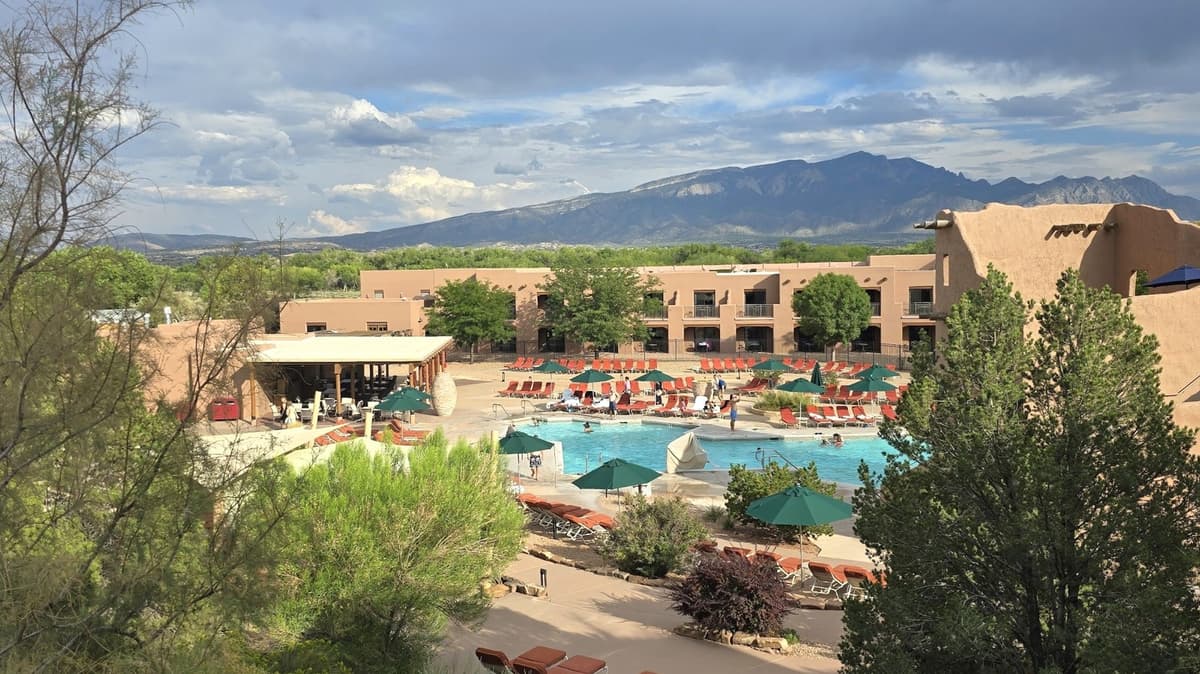
New Mexico's Chic Hotel Outside Albuquerque Offers A Unique Blend Of Native Culture And Modern Amenities
Companies Mentioned
Why It Matters
Tamaya demonstrates how luxury hospitality can drive sustainable tourism while preserving and showcasing indigenous culture, boosting the regional economy and setting a benchmark for experiential travel.
Key Takeaways
- •Rates range $430‑$740 nightly, targeting upscale travelers
- •On‑site Cultural Learning Center offers Pueblo history tours
- •Farm‑to‑table restaurant uses resort’s orchards and beehives
- •Horseback rides support a rescued‑horse rehabilitation program
- •Golf course weaves ancient cultural sites into play
Pulse Analysis
New Mexico’s tourism sector is increasingly courting travelers who seek more than scenic vistas—they want authentic cultural immersion. The Hyatt Regency Tamaya Resort and Spa answers that demand by situating luxury within the Santa Ana Pueblo, offering guests direct access to Native traditions through workshops, guided tours, and a dedicated Cultural Learning Center. This positioning not only differentiates Tamaya from generic resort offerings but also aligns with the broader rise of experiential travel, where guests are willing to pay premium rates for meaningful, story‑rich stays.
Beyond the guest experience, Tamaya’s model generates tangible economic benefits for the Pueblo community. By employing local artisans, sourcing food from its on‑site farm and beehives, and operating a rescued‑horse program, the resort creates jobs and supports sustainable practices. The $430‑$740 nightly price point reflects a market willing to invest in culturally respectful luxury, while the resort’s amenities—three pools, a spa, and a championship golf course that incorporates ancient sites—enhance its appeal to both leisure and business travelers, driving higher occupancy and ancillary spend.
Industry analysts view Tamaya as a blueprint for future hospitality projects in heritage‑rich regions. As travelers prioritize authenticity, hotels that embed local culture into design, dining, and activity programming can command higher margins and foster community goodwill. Replicating this approach could revitalize other Native lands and historic locales, turning cultural assets into economic engines without compromising their integrity. For investors and operators, the Tamaya case underscores the profitability of marrying luxury with stewardship, a trend likely to shape the next wave of upscale tourism.
New Mexico's Chic Hotel Outside Albuquerque Offers A Unique Blend Of Native Culture And Modern Amenities
Comments
Want to join the conversation?
Loading comments...