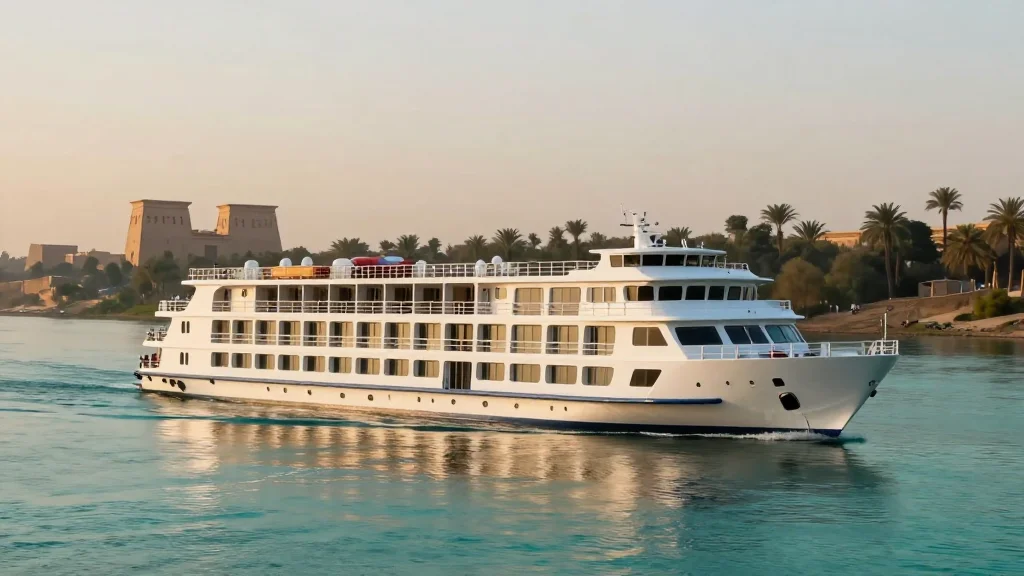
Nile Cruise Boom Drives Egypt’s Tourism Revitalization

Why It Matters
The Nile cruise boom reshapes Egypt’s tourism model by shifting focus from isolated archaeological visits to integrated, multi‑city experiences. By linking river travel with land tours, the sector captures higher‑spending travelers, extends visitor stays, and spreads economic benefits across Cairo, Luxor and Aswan. The trend also encourages infrastructure upgrades—airports, hotels and river‑front facilities—creating jobs and diversifying revenue streams beyond traditional desert‑safari and beach tourism. For the global travel industry, the rapid growth of the Nile as a river‑cruise hotspot illustrates how emerging destinations can leverage heritage assets and modern hospitality to compete with established European river routes. The success may prompt other heritage‑rich regions to develop similar all‑inclusive river or inland‑water experiences, potentially reshaping cruise portfolio strategies worldwide.
Key Takeaways
- •New Nile vessels slated through 2028 reflect durable demand
- •All‑inclusive 10‑14‑day packages combine Cairo, Luxor and Aswan
- •Airlines adding flights timed to cruise departures boost connectivity
- •Luxury hotel groups and boutique operators entering the river cruise market
- •Visitor numbers in 2023‑24 return to or exceed pre‑pandemic levels
Pulse Analysis
The Nile’s transformation from a historic trade artery into a premium cruise corridor underscores a broader shift in tourism toward experience‑driven, seamless itineraries. Historically, Egypt relied on standalone monument tours, which limited average spend per visitor and concentrated economic activity in a few hotspots. By bundling river travel with land excursions, operators create a higher‑value product that appeals to affluent travelers seeking convenience and curated experiences.
From a competitive standpoint, the influx of global cruise brands signals confidence in the region’s stability and profitability, while local operators leverage intimate knowledge of the river’s logistics to differentiate service. This dual‑track approach raises the overall quality bar, forcing legacy European river lines to reconsider their offerings in the face of a rising Middle‑East competitor. Moreover, the integration of airline schedules with cruise itineraries reduces friction points that previously deterred travelers, effectively turning the Nile into a multi‑modal travel hub.
Looking forward, the sector’s growth will likely hinge on sustained political stability, continued investment in river‑front infrastructure, and the ability to balance luxury upgrades with affordable options for mass‑market tourists. If Egypt can maintain this momentum, the Nile could become the benchmark for heritage‑based river cruising, prompting other destinations—such as the Mekong or the Danube’s lesser‑known tributaries—to emulate its all‑inclusive model. The next few years will test whether the current boom translates into a lasting reconfiguration of Egypt’s tourism economy or reverts to pre‑boom patterns once the novelty wanes.
Nile Cruise Boom Drives Egypt’s Tourism Revitalization
Comments
Want to join the conversation?
Loading comments...