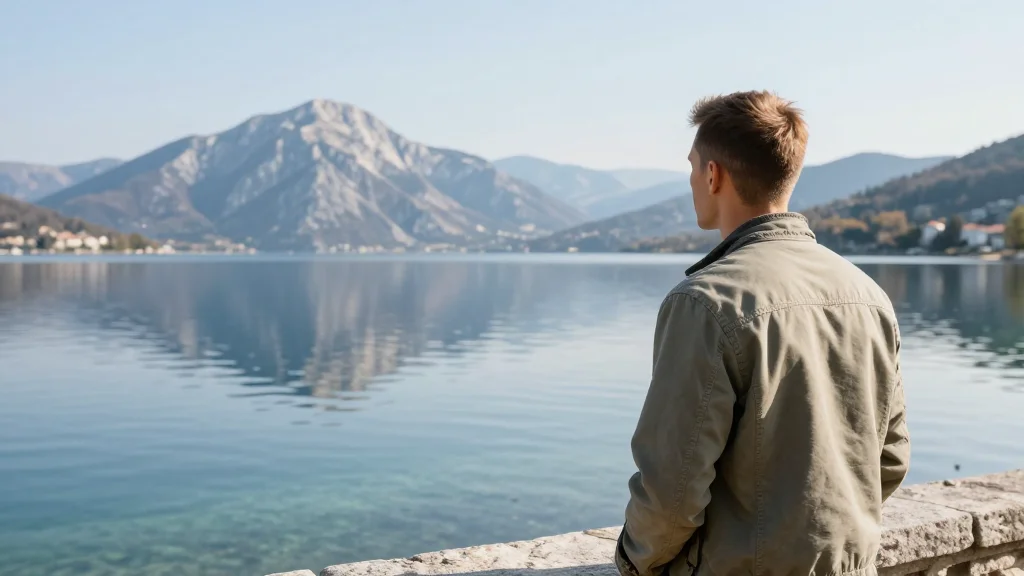
North Macedonia Shines as Europe’s Best‑Kept Travel Secret

Why It Matters
North Macedonia’s emergence as a travel focus reflects a broader diversification of European tourism, reducing pressure on over‑visited capitals and spreading economic benefits to smaller economies. By attracting U.S. visitors, the country can stimulate job creation in hospitality, gastronomy and outdoor recreation, while also positioning itself as a viable relocation option for remote workers seeking lower costs of living. The shift also challenges traditional travel narratives that prioritize Western European hotspots. As more media outlets highlight hidden gems, travelers gain a richer palette of experiences, and the industry gains new growth avenues that can mitigate the risks of overtourism and geopolitical disruptions in more popular markets.
Key Takeaways
- •Travel editors at CNN and AOL spotlight North Macedonia as an under‑visited European destination.
- •The country offers dramatic mountains, Lake Ohrid’s iconic church and a sunny climate that supports robust wines.
- •American travelers are increasingly interested in lesser‑known European nations for both tourism and relocation.
- •Europe has 44 UN‑recognized countries, many of which remain under‑explored by U.S. tourists.
- •Increased media attention could spur new flight routes, boutique hotels and tourism‑focused investments in North Macedonia.
Pulse Analysis
The recent editorial push for North Macedonia signals a strategic pivot in the travel industry toward diversification. Historically, European tourism has been dominated by a handful of marquee destinations that now grapple with overtourism, rising costs and stricter immigration policies. By elevating a Balkan nation with untapped natural and culinary assets, media outlets are effectively rebalancing demand, offering a win‑win for travelers craving authenticity and for economies eager for sustainable growth.
From a market perspective, the spotlight could catalyze a virtuous cycle: increased visitor numbers justify airline route expansions, which in turn lower travel costs and make the destination even more attractive. Local entrepreneurs are likely to respond with niche accommodations—eco‑lodges, farm stays and boutique wineries—that cater to experiential travelers. This aligns with the post‑pandemic shift toward longer stays and immersive experiences, especially among remote workers who view relocation as a lifestyle choice.
However, the momentum hinges on execution. North Macedonia’s tourism infrastructure must scale without compromising its cultural and environmental assets. Strategic partnerships with regional tour operators, investment in multilingual digital marketing and the development of sustainable travel guidelines will be critical. If managed well, the country could become a template for other overlooked regions seeking to harness media attention into lasting economic uplift, reshaping the European travel map for the next decade.
North Macedonia Shines as Europe’s Best‑Kept Travel Secret
Comments
Want to join the conversation?
Loading comments...