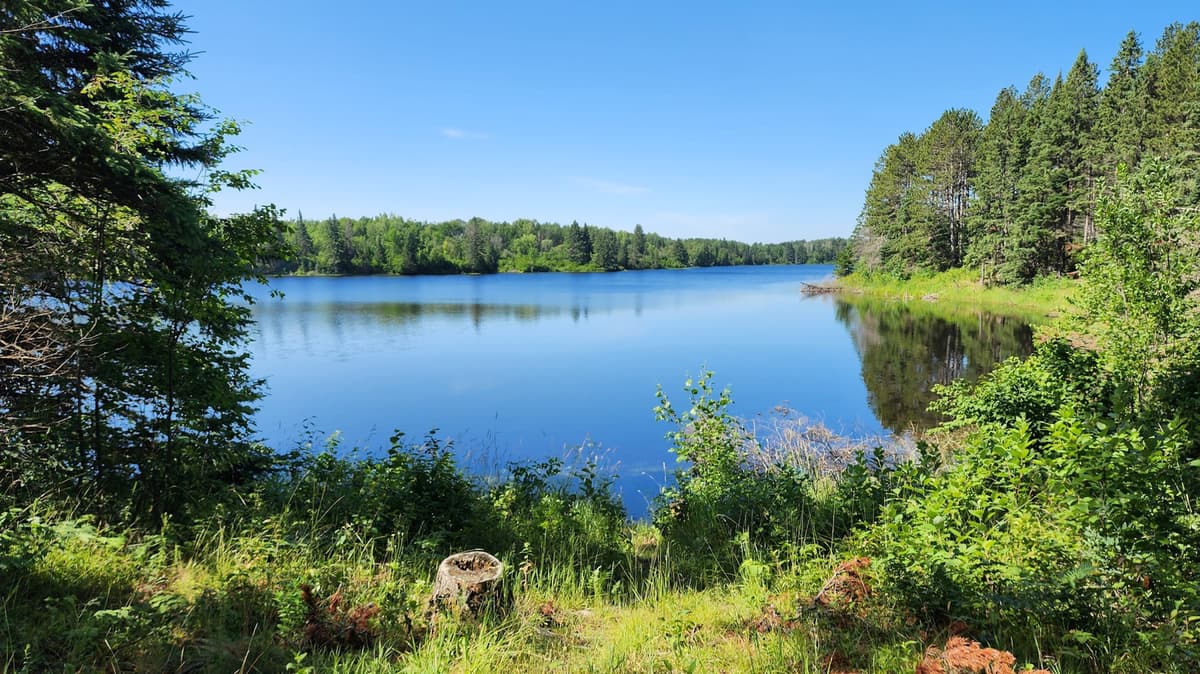
Northwestern Minnesota's State Park Is A Hidden Gem With A Bog Boardwalk, Loon Viewing, And Camping
Companies Mentioned
Why It Matters
The park’s low‑traffic profile offers a sustainable tourism model that supports local economies while preserving sensitive habitats. Its unique wildlife draw positions it as a niche destination for eco‑tourism and regional outdoor recreation growth.
Key Takeaways
- •13 miles of trails include a cedar bog boardwalk
- •Loons appear 4.4× more often than regional average
- •Campground offers 35 drive‑in sites, 18 with electric hookups
- •Electric‑only boat launch preserves lake’s quiet environment
- •Nearby airports: Thief River Falls (1.2 hr) and Winnipeg (3 hr)
Pulse Analysis
Minnesota’s state‑park system, the nation’s second‑oldest, continues to diversify its appeal beyond crowded hotspots. As travelers increasingly seek off‑the‑grid experiences, parks like Hayes Lake gain relevance for their untouched landscapes and low visitor density. The park’s remote location, combined with a modest 30‑minute drive from Roseau, positions it as a perfect weekend escape for Midwestern residents and Canadian tourists alike, feeding a growing niche of nature‑focused vacationers.
Hayes Lake distinguishes itself with a cedar‑bog boardwalk that threads through 13 miles of multi‑use trails, offering hikers, mountain bikers, and snowmobilers a unique ecological classroom. Birders are drawn by the park’s impressive avian diversity—over 200 species—including loons that call the lake four‑times more frequently than surrounding areas. This concentration of wildlife, coupled with the electric‑only boat policy, helps maintain a tranquil environment that supports both breeding birds and the visitor experience.
Economically, the park’s modest infrastructure—35 drive‑in campsites, two cabins, and seasonal shower facilities—generates steady revenue for the Minnesota DNR while limiting ecological strain. Proximity to Thief River Falls Regional Airport and the Winnipeg International Airport expands its catchment area, encouraging cross‑border tourism. As remote work normalizes, Hayes Lake’s blend of solitude, natural beauty, and accessible amenities makes it a compelling case study for sustainable, low‑impact recreation that can be replicated across other under‑utilized public lands.
Northwestern Minnesota's State Park Is A Hidden Gem With A Bog Boardwalk, Loon Viewing, And Camping
Comments
Want to join the conversation?
Loading comments...