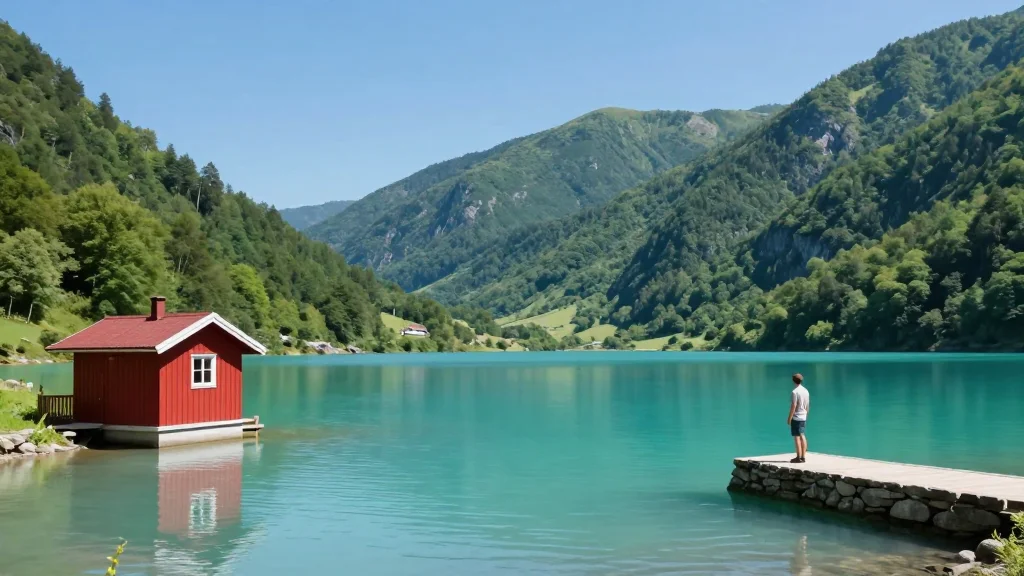
Norway Rides Coolcation Wave as Travelers Flee Scorching Southern Europe

Why It Matters
The coolcation trend signals a fundamental change in how travelers evaluate destinations, prioritising climate comfort and sustainability over historic sun‑and‑sand appeal. For the travel industry, this reallocation of demand could reshape revenue streams, prompting airlines, hotels and tour operators to adjust capacity and marketing strategies toward cooler regions. Governments in heat‑prone areas may also face pressure to invest in climate‑resilient tourism infrastructure to retain visitors. If the pattern persists, we could see a lasting redistribution of tourism dollars toward northern latitudes, reshaping employment, regional development and environmental impacts across the continent. The shift also offers a real‑world case study of how climate change is already influencing consumer behavior, providing valuable data for policymakers and businesses alike.
Key Takeaways
- •Norway sees double‑digit growth in summer tourist arrivals as coolcation gains traction.
- •Average summer temperatures in Nordic destinations range from 10 °C to 23 °C, compared with 40 °C‑plus in Southern Europe.
- •Heatwaves, water shortages and wildfire risks are driving travelers away from traditional Mediterranean resorts.
- •Nordic destinations benefit from lower visitor density and expanded outdoor recreation options.
- •Industry analysts warn Southern Europe must adapt to retain market share amid shifting climate preferences.
Pulse Analysis
The rapid adoption of coolcation reflects a broader consumer pivot toward climate‑responsive experiences. Historically, European summer travel has been dominated by Mediterranean beach destinations, but the last decade's escalating heat events have eroded that advantage. Norway's ascent illustrates how a region can leverage natural climate assets to capture market share without massive marketing spend—simply by offering a more comfortable environment.
From a competitive standpoint, the shift creates a new axis of rivalry: temperature comfort versus traditional sun appeal. Airlines may re‑route capacity to serve Oslo, Bergen and other Nordic hubs, while hotels in the south could diversify with cooler, high‑altitude retreats or invest in heat‑mitigation technologies. The trend also aligns with sustainability narratives; cooler climates often mean lower energy consumption for cooling, appealing to eco‑conscious travelers.
Looking ahead, the coolcation model could become a template for other regions facing climate stress. If North America’s interior or East Asian highlands replicate the Nordic advantage, the global tourism map could see a north‑ward migration of summer demand. Stakeholders that anticipate and adapt to this climate‑driven rebalancing will likely secure a competitive edge in the evolving travel ecosystem.
Norway rides coolcation wave as travelers flee scorching Southern Europe
Comments
Want to join the conversation?
Loading comments...