Norway’s ‘Friluftsliv’ Lifestyle Lures Canadians to Embrace Open‑Air Adventures

Why It Matters
The piece highlights a tangible model for embedding outdoor activity into national culture, offering Canadian tourism stakeholders a roadmap for diversifying product offerings beyond traditional sightseeing. As climate change reshapes travel patterns, promoting low‑impact, nature‑centric experiences could attract eco‑conscious travelers while supporting local economies in remote regions. Additionally, the health‑focused framing of friluftsliv aligns with growing public‑health initiatives that link physical activity to mental well‑being, potentially influencing policy decisions around land access and park funding. For Canada’s nature strategy, the article underscores the need for legal frameworks that simplify wilderness access, akin to Norway’s allemannsretten. Such reforms could unlock new tourism corridors, stimulate investment in adventure‑gear startups, and foster a cultural shift that normalizes regular outdoor engagement for citizens of all ages and abilities.
Key Takeaways
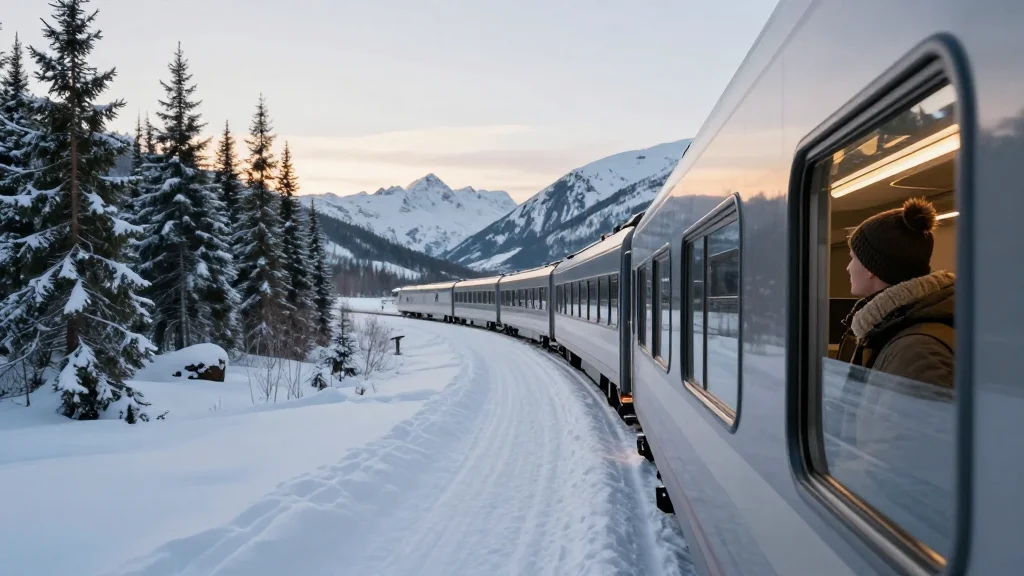
- •Marina Jimenez joins the Shackleton Challenge on Norway’s Oslo‑Finse snow train, showcasing friluftsliv in action.
- •Friluftsliv, coined by Henrik Ibsen, emphasizes outdoor life for physical and spiritual health.
- •Norway’s allemannsretten law guarantees public access to uncultivated land, fostering everyday wilderness use.
- •Canada’s new nature strategy, led by Prime Minister Mark Carney, cites nature as “the foundation of our … well‑being.”
- •Adopting Norway’s model could spur Canadian adventure‑tourism growth and broaden public access to remote parks.
Pulse Analysis
Norway’s friluftsliv is more than a lifestyle; it is a state‑supported ecosystem that lowers barriers to outdoor recreation. The country’s compact size, extensive public transport, and legal right‑to‑roam create a feedback loop where outdoor activity becomes a default leisure option rather than a niche pursuit. Canada, with its vast landmass and dispersed population, faces a different set of logistical challenges, but the principle remains transferable: policy can catalyze cultural change. By codifying broader access rights and investing in transport links to remote parks, Canadian provinces could replicate the Norwegian model’s success.
From a market perspective, the rise of experiential travel—especially post‑pandemic—means consumers are seeking deeper, skill‑based engagements. The Shackleton Challenge exemplifies a premium product that blends education, adventure, and storytelling. Canadian operators that can package similar Arctic‑survival experiences, perhaps leveraging Indigenous knowledge and local ecosystems, stand to capture a growing segment of high‑spending travelers. Moreover, the health narrative attached to friluftsliv aligns with wellness tourism trends, offering a dual appeal of adventure and mental‑health benefits.
Looking ahead, the convergence of policy, infrastructure, and consumer demand will determine whether Canada can close the cultural gap highlighted by Jimenez. If the government expands the legal framework for land access and partners with private operators to develop low‑impact adventure itineraries, the country could see a surge in domestic wilderness tourism, bolstering regional economies while reinforcing the nation’s commitment to nature as a pillar of public well‑being.
Norway’s ‘Friluftsliv’ Lifestyle Lures Canadians to Embrace Open‑Air Adventures
Comments
Want to join the conversation?
Loading comments...