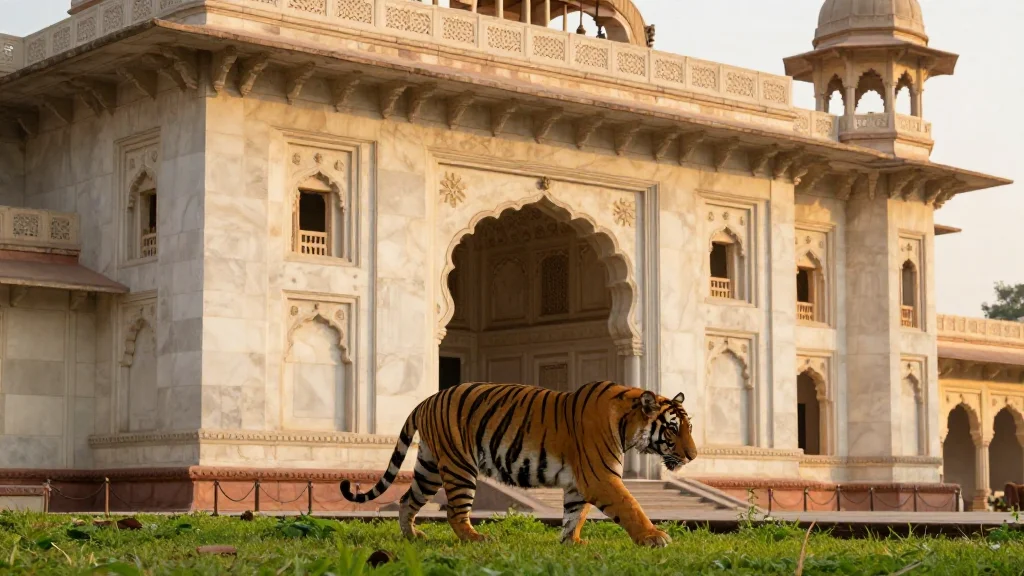
Oberoi Launches Luxury Summer Safari Itinerary at Panna National Park

Why It Matters
The Oberoi Rajgarh Palace itinerary signals a shift in Indian luxury travel from traditional hill‑station retreats toward immersive wildlife experiences. By aligning high‑end hospitality with conservation outcomes, the program could set a template for sustainable revenue streams that support endangered species recovery. Moreover, the focus on summer safaris challenges the seasonal bias that drives overcrowding in cooler destinations, potentially redistributing tourist flows and easing pressure on over‑visited locales. If successful, the model may accelerate investment in other under‑explored parks, encouraging a broader reallocation of luxury travel spend toward conservation‑linked products. This could deepen the economic case for preserving biodiversity, while offering travelers richer, longer‑duration wildlife encounters that were previously limited to African savannas.
Key Takeaways
- •Oberoi Hotels launches a summer luxury safari itinerary at The Oberoi Rajgarh Palace, Madhya Pradesh
- •Panna National Park’s tiger population has rebounded to over 70 individuals
- •Summer months (April‑June) improve wildlife visibility and extend observation time
- •The palace offers 65 rooms and suites, including private‑pool villas
- •Indian wildlife travel is growing at 15‑20% annually, with central India leading the trend
Pulse Analysis
Luxury travel in India has long been synonymous with hill‑station escapes, but the Oberoi Rajgarh Palace initiative underscores a broader industry pivot toward experiential, conservation‑linked tourism. The timing is strategic: as climate change reshapes traditional travel calendars, operators are scouting alternative windows that deliver both demand and differentiation. Summer safaris, once dismissed as too hot, now present a competitive advantage—lower crowd density, higher wildlife visibility, and the narrative of contributing to tiger recovery.
From a market perspective, the move leverages the premium pricing power of heritage properties while mitigating the risk of over‑tourism that plagues popular destinations like Jaipur or Goa. By embedding the itinerary within a protected area, Oberoi can command a price premium justified by exclusive access and the promise of longer, more intimate wildlife encounters. This aligns with a growing segment of affluent travelers who prioritize sustainability and authenticity over conventional luxury markers.
Looking ahead, the success of this model could catalyze a cascade of similar offerings across India’s lesser‑known parks—Bandhavgarh, Kanha, or even the northeastern sanctuaries. However, scalability will hinge on robust governance frameworks that balance visitor experience with ecological thresholds. If Oberoi can demonstrate that high‑end tourism can coexist with, and indeed fund, conservation, it may redefine the economics of wildlife protection in the subcontinent, turning luxury spend into a direct lever for biodiversity preservation.
Oberoi Launches Luxury Summer Safari Itinerary at Panna National Park
Comments
Want to join the conversation?
Loading comments...