Ōmārama: New Zealand’s “Place of Light” Is No Longer a Secret
Why It Matters
Ōmārama exemplifies the global pivot toward low‑density, experience‑focused travel, highlighting both new revenue streams for rural economies and the urgent need for balanced tourism policies.
Key Takeaways
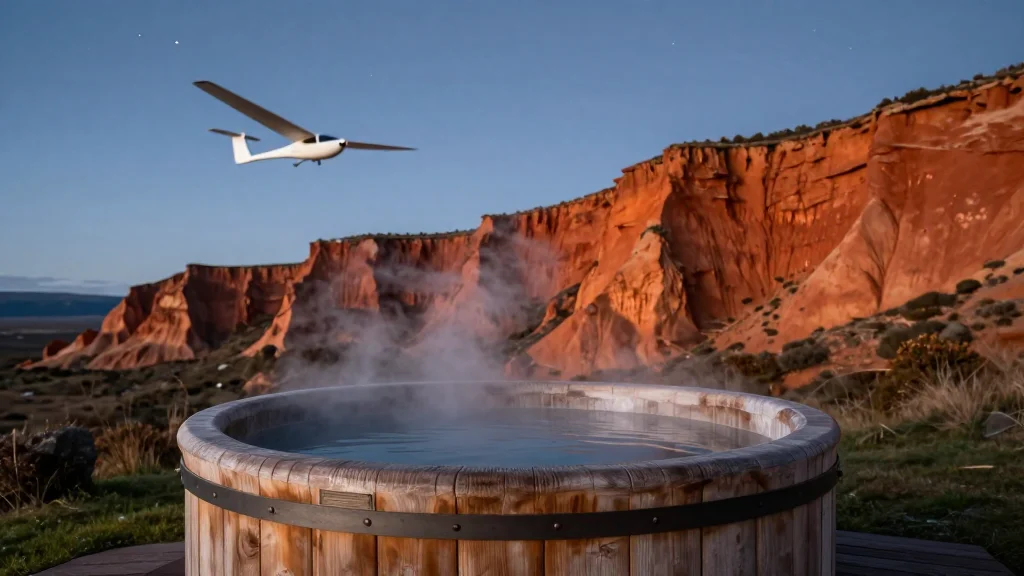
- •Ōmārama attracts global glider pilots due to unique mountain wave winds
- •Dark‑sky conditions make the town a premier stargazing hotspot
- •Clay Cliffs, part of UNESCO Geopark, drive viral social‑media traffic
- •Boutique accommodations and outdoor hot tubs fuel a low‑key luxury trend
- •Rapid visitor growth pressures housing affordability and local infrastructure
Pulse Analysis
New Zealand’s tourism narrative is evolving beyond iconic landmarks toward niche, high‑value experiences, and Ōmārama sits at the forefront of that shift. Its geography creates powerful wave lift that makes it one of the world’s premier gliding sites, while the Southern Alps cast an almost perpetual night canopy ideal for dark‑sky tourism. The Clay Cliffs, recently incorporated into the Waitaki Whitestone UNESCO Global Geopark, have become a social‑media magnet, turning a once‑obscure geological formation into a bucket‑list destination for international travelers seeking authentic scenery.
The economic ripple effect is palpable. Small‑scale boutique hotels, farm‑to‑table eateries, and private outdoor hot tubs are capitalising on the wellness‑travel trend, generating new jobs and diversifying income for a community historically reliant on agriculture. Visitor spending now supports local guides, bike‑repair shops along the Alps 2 Ocean Trail, and artisanal producers, creating a micro‑economy that rivals larger tourist hubs. Yet the upside is tempered by rising property values; limited housing stock is being snapped up by investors and seasonal renters, pushing long‑time residents into affordability challenges.
Sustainability has become the town’s defining dilemma. While tourism delivers a vital revenue lifeline, unchecked growth threatens the very qualities that attract visitors—silence, open skies, and unspoiled landscapes. Local councils are exploring zoning reforms, community‑owned accommodation models, and visitor caps during peak seasons to preserve environmental integrity. Ōmārama’s trajectory offers a case study for policymakers nationwide: fostering rural prosperity through tourism must be paired with proactive stewardship to ensure the “place of light” remains a genuine hidden gem rather than a overrun resort.
Ōmārama: New Zealand’s “Place of Light” Is No Longer a Secret
Comments
Want to join the conversation?
Loading comments...