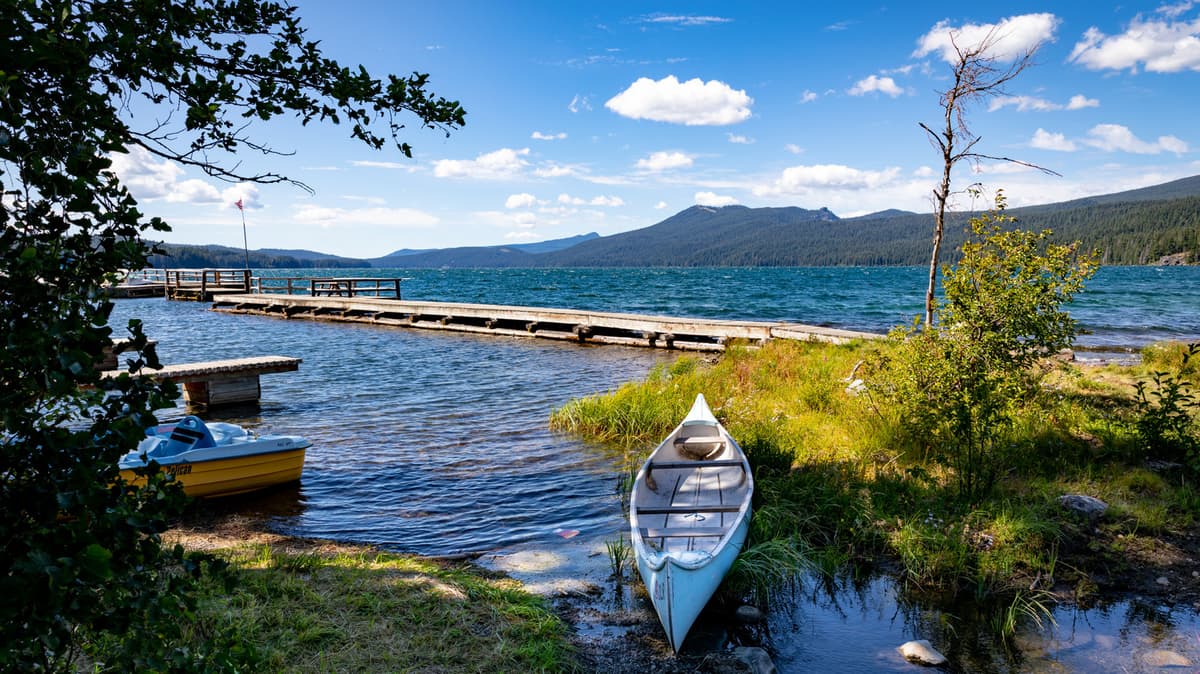
Oregon's Giant Cascade Mountain Lake Is A Forest Beauty With Trophy Fishing, Camping, And Family Fun
Why It Matters
Odell Lake drives significant seasonal revenue for local guides, campgrounds, and hospitality providers, reinforcing Oregon’s outdoor‑tourism economy. Its popularity underscores the economic value of preserving natural recreation assets.
Key Takeaways
- •Odell Lake spans 6 miles, attracting trophy lake‑trout anglers
- •Three Forest Service campgrounds offer rustic, seasonal sites
- •Odell Lake Lodge provides year‑round cabins, boat rentals, dining
- •Guided trips by Todd Logan boost anglers' success rates
- •Proximity to McKenzie Pass boosts multi‑day tourism itineraries
Pulse Analysis
Odell Lake’s blend of pristine wilderness and well‑developed amenities makes it a micro‑economy within Oregon’s broader outdoor‑tourism sector. Nestled in the Deschutes National Forest, the lake’s six‑mile length and 3,500‑acre surface host some of the state’s largest lake‑trout, drawing anglers from across the Pacific Northwest. The surrounding campgrounds—Princess Creek, Trapper Creek, and Sunset Cove—are managed by the USDA Forest Service and operate on a reservation system via Recreation.gov, catering to both spontaneous and planned visits. Meanwhile, the Odell Lake Lodge & Resort adds a comfortable, year‑round lodging alternative, complete with boat rentals, a disc‑golf course, and an on‑site restaurant, expanding the lake’s appeal beyond hardcore anglers to families and casual outdoor enthusiasts.
The lake’s popularity translates directly into economic activity for Central Oregon. Guided fishing services, such as Todd Logan’s Guide Service, generate income for local entrepreneurs and create seasonal employment opportunities. Campground fees, lodge reservations, and equipment rentals collectively contribute millions of dollars annually to the regional economy, supporting ancillary businesses like grocery stores, fuel stations, and souvenir shops in nearby towns. Moreover, the lake’s location along the McKenzie‑Pass‑Santiam Pass Scenic Byway integrates it into a larger travel corridor, encouraging multi‑stop itineraries that extend visitor spend across the state’s tourism network.
Looking ahead, sustainable management will be key to preserving Odell Lake’s draw. Conservation measures, including strict bag limits and protection for endangered bull trout, help maintain fish populations while ensuring long‑term viability for sport fishing. Investment in digital booking platforms and targeted marketing can further boost visitation, especially among younger outdoor enthusiasts seeking curated experiences. As climate patterns shift, adaptive strategies—such as winter‑friendly lodge services and diversified recreational offerings—will help the lake remain a resilient pillar of Oregon’s outdoor‑recreation economy.
Oregon's Giant Cascade Mountain Lake Is A Forest Beauty With Trophy Fishing, Camping, And Family Fun
Comments
Want to join the conversation?
Loading comments...