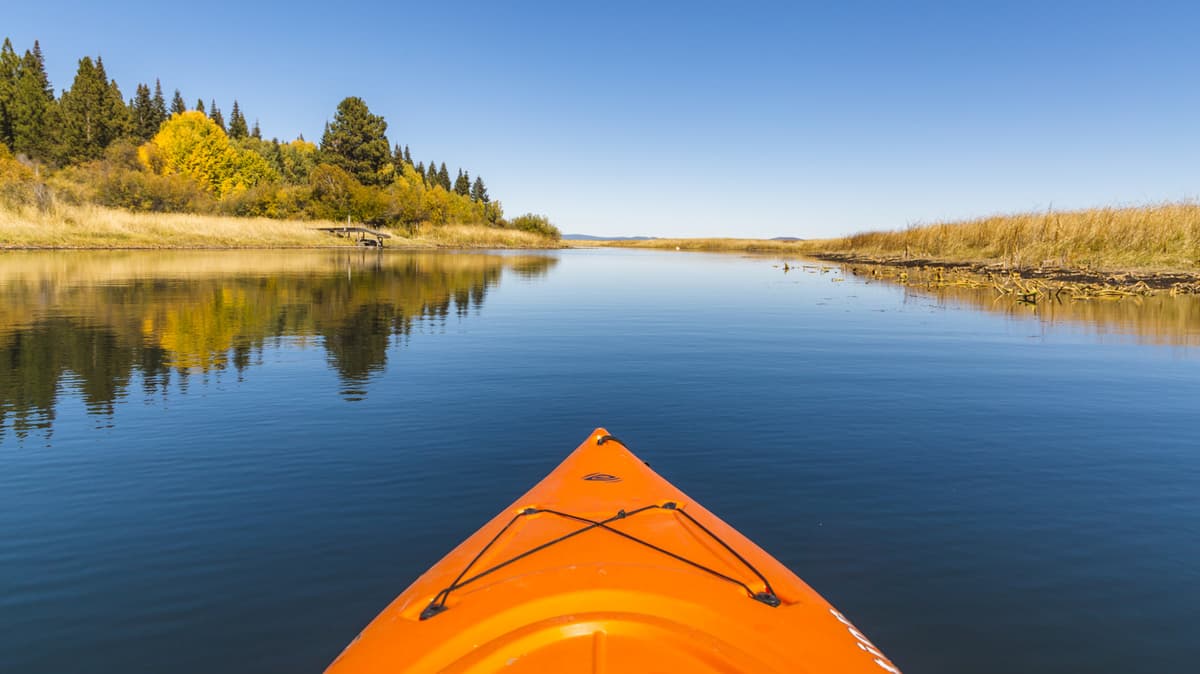
Oregon's High Desert Lake Is A Freshwater Escape With Fishing, Kayaking, And Birdwatching
Why It Matters
The lake’s natural restraint fuels a unique eco‑tourism niche that drives regional economic activity while supporting tribal fisheries and biodiversity conservation. Its seasonal challenges highlight the balance between environmental stewardship and recreational demand.
Key Takeaways
- •Upper Klamath Lake spans 60,000 acres with 300 sunny days annually
- •Seasonal cyanobacteria bloom limits summer development, preserving wilderness
- •Over 350 bird species, including the largest U.S. bald eagle population
- •Tribal‑led restoration revives Chinook salmon runs, boosting local fisheries
Pulse Analysis
Upper Klamath Lake’s blend of size, climate and isolation creates a rare recreational asset in the Pacific Northwest. While the 60,000‑acre surface and 300 days of sunshine attract paddlers and anglers, the annual cyanobacteria bloom acts as an inadvertent conservation tool, keeping large‑scale waterfront development at bay. This natural restraint not only preserves the lake’s visual appeal but also sustains the mineral‑rich volcanic sediments that feed a thriving food web, positioning the lake as a case study in how ecological constraints can enhance tourism value.
Birdwatchers flock to the lake’s marshes and conifer‑bordered wetlands, where more than 350 species—including the nation’s largest bald‑eagle population outside Alaska—find habitat. The Klamath Basin Birding Trail links Upper Klamath to a broader network of observation sites, driving seasonal visitor inflows that benefit nearby towns such as Klamath Falls. Events like the Winter Wings Festival amplify this draw, converting avian diversity into measurable economic impact for local hospitality and guide services, while reinforcing the region’s reputation as a premier birding corridor.
On the water, the lake’s shallow depths foster robust fisheries historically managed by the Klamath Tribes. Recent tribal‑led restoration projects have sparked a resurgence of Chinook salmon, complementing the abundant redband trout that attract sport fishers. This revival not only supports cultural heritage but also adds a sustainable revenue stream for outfitters and tourism operators. As climate patterns shift, the lake’s year‑round paddling opportunities—augmented by off‑season kayak rentals—suggest a growing market for cold‑weather adventure tourism, underscoring Upper Klamath’s expanding role in Oregon’s outdoor economy.
Oregon's High Desert Lake Is A Freshwater Escape With Fishing, Kayaking, And Birdwatching
Comments
Want to join the conversation?
Loading comments...