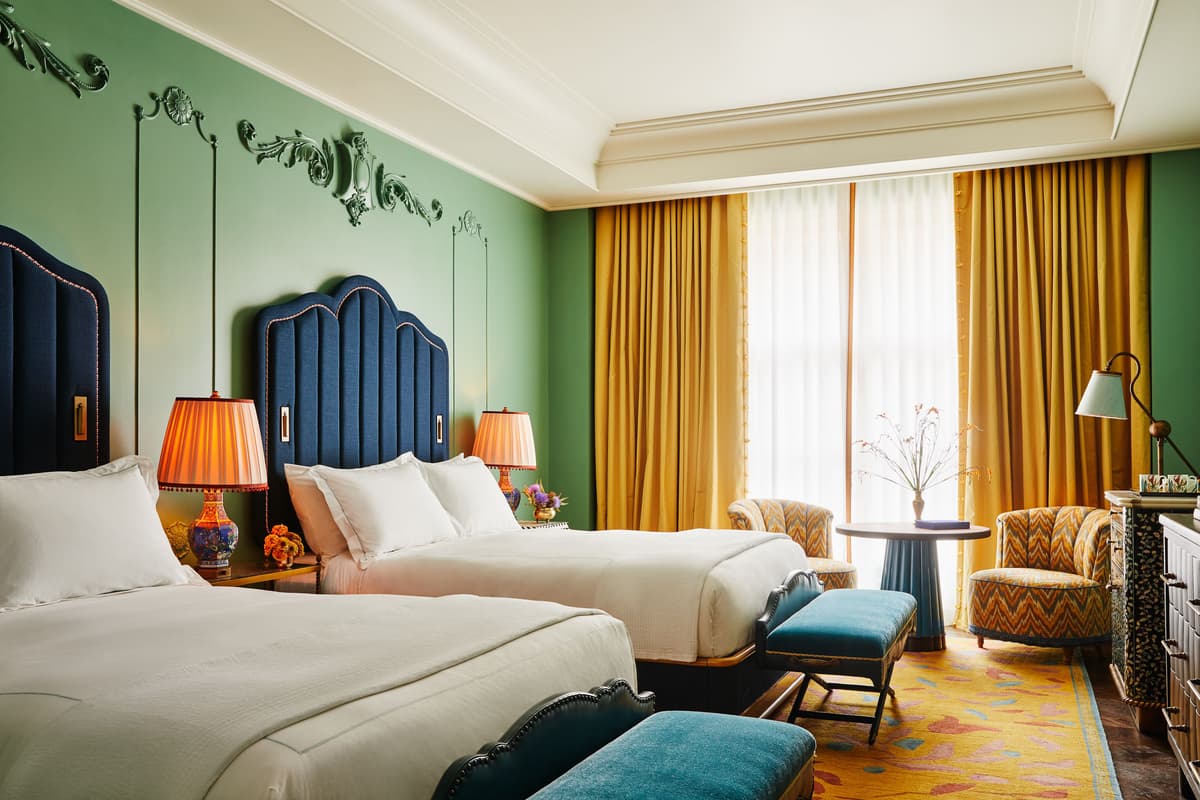
Our Favorite Boutique Hotels in New York City
Companies Mentioned
Why It Matters
Boutique hotels capture high‑spending travelers who value uniqueness over volume, driving higher average daily rates and diversifying NYC’s hospitality revenue. Their success pressures larger chains to innovate on design and personalized service.
Key Takeaways
- •Boutique hotels average under 115 rooms, offering intimate experiences.
- •Design‑driven properties span all five boroughs, from Upper East Side to Queens.
- •Historic buildings repurposed as luxury stays add unique character.
- •Curated amenities like private gardens, art, and fireplaces attract upscale guests.
- •Boutique segment serves leisure staycations and high‑spending business travelers.
Pulse Analysis
The boutique hotel boom in New York reflects a broader shift toward experiential travel, where guests prioritize authenticity and design over sheer size. Small‑scale properties, typically under 115 rooms, can pivot quickly to emerging trends, offering curated experiences such as art‑filled lobbies, in‑room Frette linens, and rooftop bars with skyline views. This agility appeals to millennial and Gen‑Z travelers who view accommodation as an extension of their itinerary, driving demand for hotels that double as cultural touchpoints within the city’s neighborhoods.
Many of the highlighted hotels occupy historic structures—former seminary buildings, Art Deco mansions, and early‑20th‑century banks—repurposing them into luxury stays. This adaptive reuse not only preserves architectural heritage but also creates a narrative that resonates with discerning guests. Features like private gardens at The High Line Hotel, a 24‑hour doorman at Casa Cipriani, and Kit Kemp’s whimsical interiors at the Warren Street Hotel illustrate how design and history intertwine to command premium pricing and foster brand loyalty.
From a business perspective, boutique hotels generate higher average daily rates (ADRs) and yield per available room (RevPAR) compared to standard mid‑scale chains, thanks to their differentiated product and willingness to charge for unique amenities. Their success pressures large operators to integrate boutique‑style concepts—such as boutique‑floor concepts and localized experiences—into their portfolios. As New York’s tourism rebounds post‑pandemic, the boutique segment is poised for continued growth, especially as travelers seek safe, personalized environments that feel both exclusive and authentically New York.
Our Favorite Boutique Hotels in New York City
Comments
Want to join the conversation?
Loading comments...