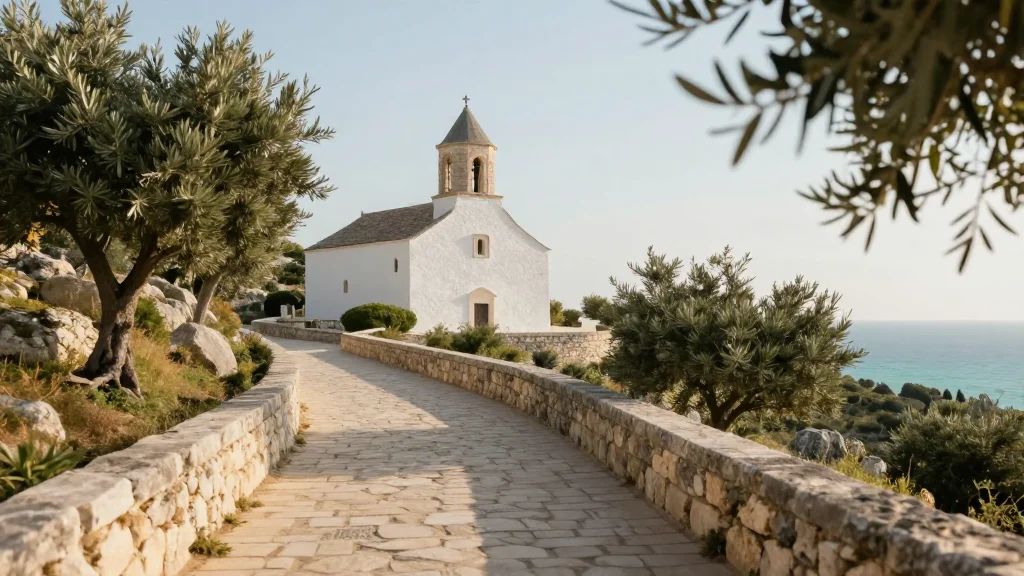
Palma De Mallorca Anchors New 67‑km Camino De Lana Pilgrimage Route

Why It Matters
The Camino de Lana adds a Mediterranean dimension to one of the world’s most iconic pilgrimages, expanding the geographic and cultural scope of spiritual travel. By positioning Palma de Mallorca as both a pilgrimage endpoint and a launchpad to the mainland, the route diversifies Mallorca’s tourism offering, encouraging off‑season visits and supporting local economies that rely on hospitality, gastronomy, and heritage crafts. For the broader travel industry, the new trail illustrates how historic routes can be re‑imagined to meet contemporary demand for authentic, experience‑driven journeys. It also signals a shift toward multi‑modal pilgrimage itineraries that blend walking, ferry travel, and urban exploration, potentially inspiring other regions to develop complementary legs to established routes.
Key Takeaways
- •Palma de Mallorca now caps a 67‑km Way of St James trail called the Camino de Lana.
- •The route starts at Lluc Sanctuary and ends at the 13th‑century Church of Sant Jaume in Palma.
- •Pilgrims pass through ten municipalities and collect unique seals in each town.
- •Four‑day itinerary offers 17 km per day, combining spiritual sites with Mediterranean landscapes.
- •Ferry links from Palma to the Valencian Community enable continuation to Santiago de Compostela.
Pulse Analysis
The inauguration of the Camino de Lana reflects a broader trend of regional tourism boards leveraging heritage routes to extend visitor seasons and attract niche markets. Historically, the Way of St James has been dominated by the French Way, but recent years have seen a proliferation of alternative paths—such as the Northern Way and the Portuguese Coastal Route—each catering to distinct traveller profiles. Mallorca’s entry adds a maritime element, allowing pilgrims to experience a sea‑crossing that was previously absent from the traditional narrative.
From a competitive standpoint, the new route positions Mallorca against other Mediterranean islands that have long marketed cultural tourism, like Crete and Sardinia. By embedding itself within the globally recognised Camino brand, Palma gains instant credibility and taps into an existing pilgrim infrastructure, from albergues to guide services. However, success will hinge on seamless integration with mainland routes, effective marketing to both domestic and international audiences, and careful management of environmental pressures on the island’s delicate ecosystems.
Looking ahead, the Camino de Lana could become a template for other destinations seeking to create hybrid pilgrimage experiences that blend walking, maritime travel, and urban exploration. If visitor numbers grow as projected, Mallorca may see a measurable uplift in off‑season occupancy rates, higher demand for local artisanal products, and increased visibility for its cultural heritage sites. The challenge will be to balance commercial growth with the preservation of the route’s spiritual authenticity, ensuring that the pilgrimage remains a reflective journey rather than a purely commercial attraction.
Palma de Mallorca Anchors New 67‑km Camino de Lana Pilgrimage Route
Comments
Want to join the conversation?
Loading comments...