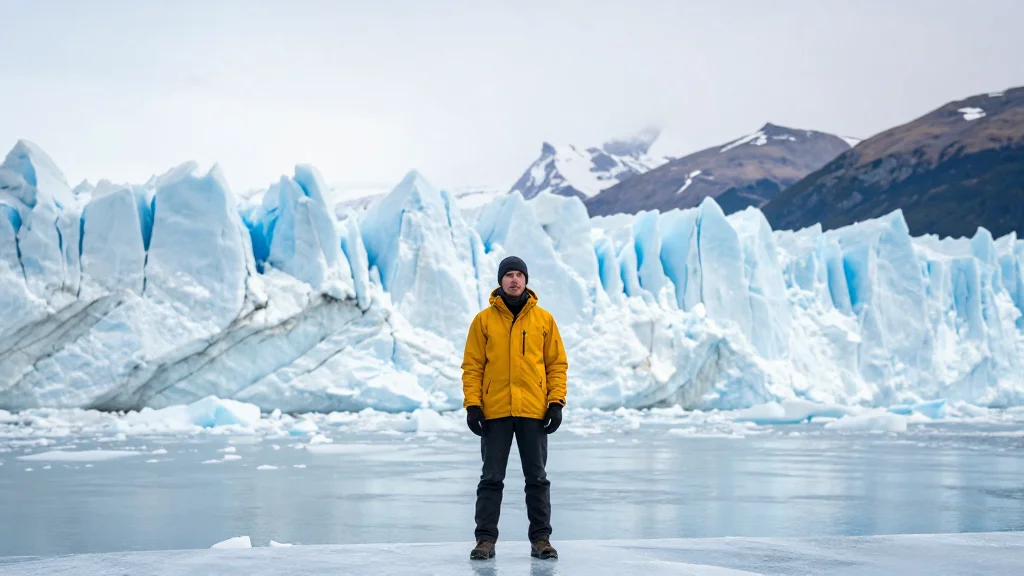
Patagonia’s Glacier Tourism Hits Record Visitor Numbers as Peso Weakens

Why It Matters
The record visitor surge in Patagonia underscores a broader shift in adventure travel, where price sensitivity and unique natural phenomena drive destination choice. As travelers seek affordable, high‑impact experiences, regions with favorable exchange rates and distinctive attractions—like the advancing Perito Moreno Glacier—gain competitive advantage. This trend pressures other destinations to reassess pricing, accessibility, and sustainability strategies to capture similar demand. For the travel industry, the Patagonia case illustrates how macro‑economic factors (currency fluctuations) and infrastructure investments (low‑cost airlines) can rapidly reshape market dynamics. Operators that align product offerings with environmental stewardship stand to benefit from both increased bookings and the growing consumer emphasis on responsible tourism.
Key Takeaways
- •Los Glaciares National Park recorded its highest ever visitor count in the past year.
- •A weakened Argentine peso makes glacier tours under $150, far cheaper than comparable global offerings.
- •Low‑cost airline route expansions have increased international arrivals from North America, Europe and Brazil.
- •Guided experiences now include Minitrekking, Big Ice treks, boat tours to Upsala and Spegazzini glaciers, and kayaking.
- •El Calafate’s economy is heavily dependent on tourism, prompting strong local support for conservation measures.
Pulse Analysis
Patagonia’s visitor boom is a textbook example of how currency dynamics can create a temporary tourism hotspot. Historically, destinations that experience a sharp depreciation of their local currency see a surge in inbound travel, as seen in Mexico post‑peso crisis and Thailand after the baht slump. However, such gains are often fleeting unless underpinned by lasting value propositions. In Patagonia’s case, the natural draw of a non‑retreating glacier provides a durable hook that can sustain interest beyond the current exchange‑rate window.
The expansion of low‑cost carriers is equally pivotal. By lowering the cost barrier to remote regions, airlines democratize access, turning niche adventure spots into mainstream itineraries. This democratization, however, brings capacity challenges. Overcrowding can strain fragile ecosystems, prompting stricter visitor caps and higher operational costs for concessionaires. The park’s concession model, which mandates environmental safeguards, will be tested as demand continues to outpace supply.
Looking forward, the key for Patagonia—and similar destinations—will be to convert short‑term price‑driven traffic into long‑term brand equity. Investing in sustainable infrastructure, diversifying experience tiers, and leveraging the glacier’s unique narrative can help cement Patagonia’s status as a premier adventure brand, insulating it from future currency swings and ensuring that growth does not compromise the very assets that attract travelers.
Patagonia’s Glacier Tourism Hits Record Visitor Numbers as Peso Weakens
Comments
Want to join the conversation?
Loading comments...