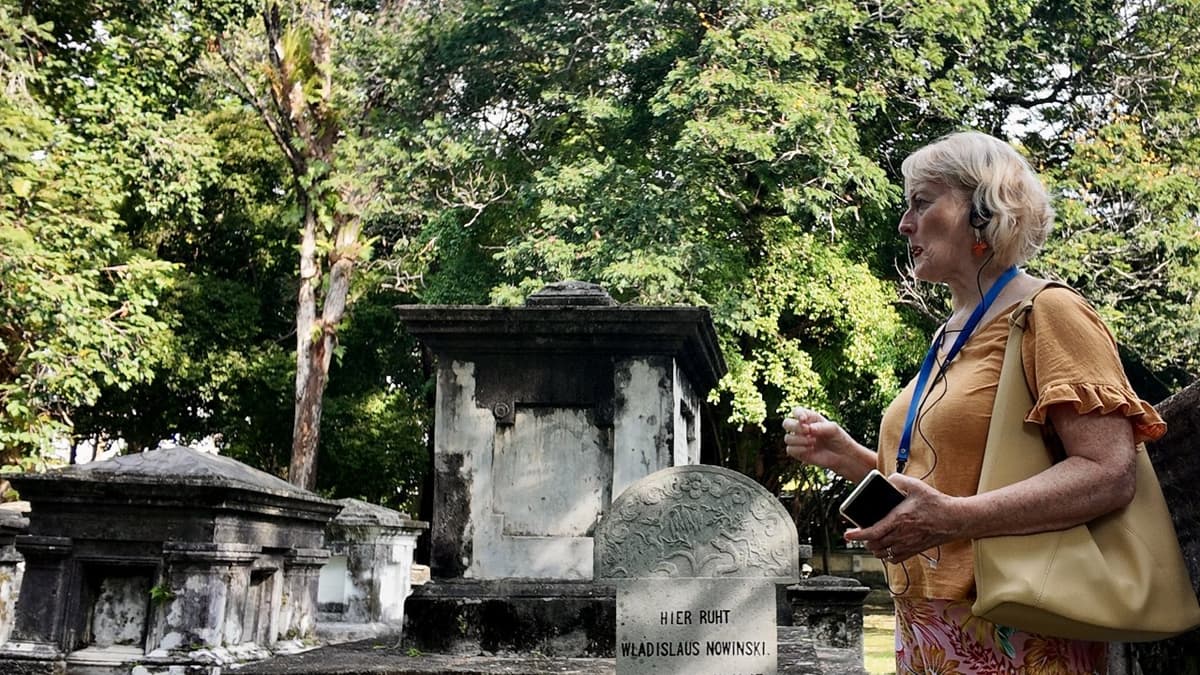
Penang’s Cemetery Tours Spur Interest in Pioneers, Colonial History
Why It Matters
The tours transform a neglected burial ground into an educational asset, boosting heritage tourism while prompting dialogue on colonial legacies. Preservation funding signals Malaysia’s commitment to safeguarding UNESCO‑linked sites for future economic and cultural benefit.
Key Takeaways
- •Cemetery tours attract both locals and foreign visitors seeking colonial history
- •Penang's Old Protestant Cemetery holds 464 graves from 10+ ethnicities
- •Federal and city governments allocated $4.56 million for heritage conservation
- •Gravestones reveal early trade, migration, and disease patterns in Southeast Asia
Pulse Analysis
Heritage tourism in Southeast Asia is evolving beyond iconic street food and colonial architecture, and Penang’s Old Protestant Cemetery exemplifies this shift. Guided tours, led by former banker‑turned‑guide Zul Harris, now draw small groups eager to explore the island’s less‑celebrated past. With 7.2 million passenger movements through Penang’s airport in the first eleven months of 2025, the city’s tourism engine is robust enough to support niche experiences that deepen visitor engagement and extend average stay lengths, providing a modest but meaningful revenue boost for local operators.
Beyond its touristic appeal, the cemetery is a scholarly goldmine. Housing 464 marked graves, the site records the lives of East India Company officials, missionaries, merchants, and early settlers from at least ten ethnic backgrounds. Inscriptions detail occupations, migration routes, and the prevalence of tropical diseases such as malaria and dysentery, offering archaeologists and historians concrete data on 18th‑ and 19th‑century Southeast Asian society. This multicultural tapestry reinforces Penang’s identity as a historic crossroads, while also prompting nuanced conversations about the legacy of British colonialism in a modern, pluralistic Malaysia.
Preservation, however, remains a pressing challenge. The humid tropical climate accelerates moss growth, root intrusion, and stone decay, threatening the integrity of the gravestones. Recognising these risks, the federal government earmarked $1.09 million and the Penang Island City Council $3.47 million for conservation projects aimed at maintaining UNESCO World Heritage status. Effective stewardship will require not only financial investment but also community involvement and interpretive programming that balances respect for the past with contemporary sensibilities. If managed well, the cemetery can serve as a model for integrating heritage preservation with sustainable tourism, ensuring that Penang’s layered history continues to inform its future development.
Penang’s cemetery tours spur interest in pioneers, colonial history
Comments
Want to join the conversation?
Loading comments...