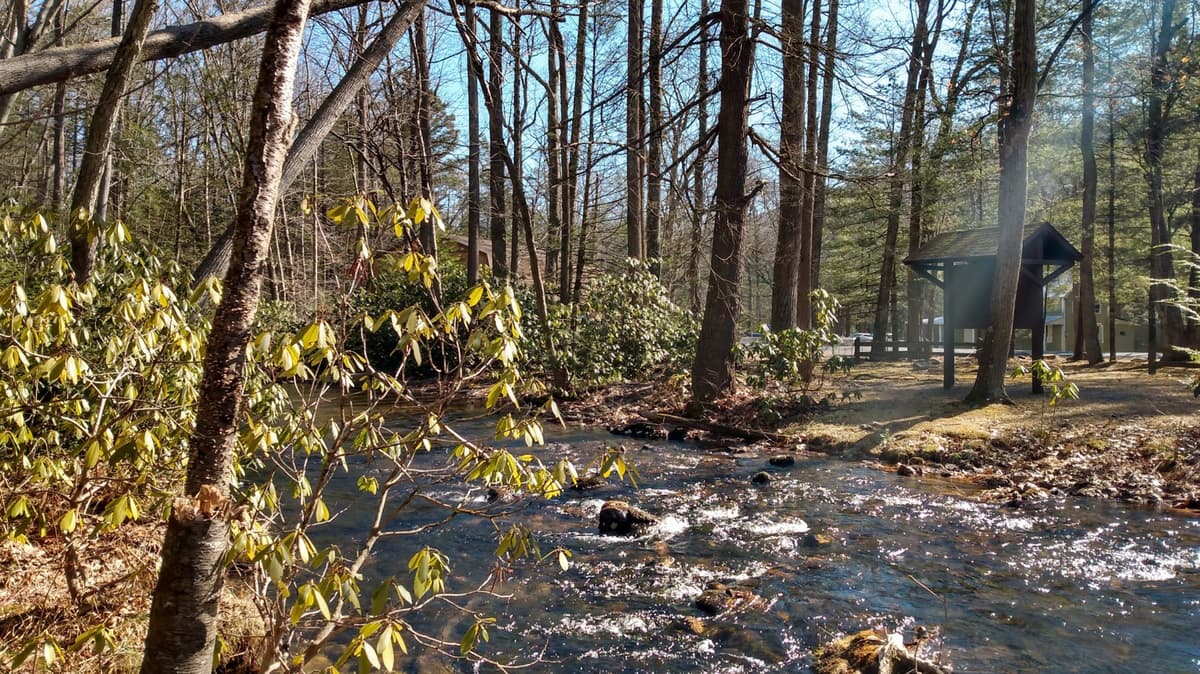
Pennsylvania's Smallest State Park Is A Roadside Gem For Fishing And Picnicking Hidden In A State Forest
Companies Mentioned
Why It Matters
Even a three‑acre park can generate tourism, support local economies, and showcase how modest green spaces enhance statewide recreation portfolios.
Key Takeaways
- •Sand Bridge spans just 3 acres, Pennsylvania’s smallest state park
- •Rapid Run is stocked annually with brook, brown, and rainbow trout
- •Two covered pavilions and grills are free, first‑come, first‑served
- •Rapid Run Foot Path provides a short walk with waterfall
- •Links to 2.6‑mile Bake Oven Trail and 325‑mile Mid State Trail
Pulse Analysis
Pennsylvania’s park system, encompassing 125 sites and over 300,000 acres, often highlights sprawling forests and mountain vistas, yet its tiniest gem—Sand Bridge State Park—illustrates how size isn’t the sole driver of visitor appeal. Nestled in the White Deer District of Bald Eagle State Forest, the three‑acre parcel was purchased in 1905 and later designated a state park in 1978. Its modest footprint belies a rich history of public investment, from 1930s picnic pavilions to modern footbridges, and underscores the state’s commitment to preserving accessible natural corridors even in densely traveled corridors like Route 192.
Recreation at Sand Bridge is surprisingly diverse for its scale. The Pennsylvania Fish and Boat Commission stocks Rapid Run with brook, brown and rainbow trout each spring, drawing anglers seeking a quiet, stocked stream without the crowds of larger reservoirs. Free, first‑come, first‑served picnic shelters and charcoal grills encourage family outings, while the Rapid Run Foot Path offers a brief nature walk featuring a waterfall and seasonal rhododendrons. For hikers, the park serves as a gateway to the 2.6‑mile Bake Oven Trail and the 325‑mile Mid State Trail, allowing a quick transition from a leisurely picnic to a multi‑day trek across the Appalachian Ridge.
Beyond leisure, Sand Bridge’s presence fuels local economies and exemplifies sustainable tourism. Visitors often travel from nearby hubs such as Williamsport or Harrisburg, patronizing nearby eateries, shops, and lodging, thereby injecting revenue into rural communities. The park’s free‑entry model removes financial barriers, promoting inclusive outdoor participation—a key public‑health objective. As states grapple with budget constraints, Sand Bridge demonstrates that strategic, low‑cost investments in micro‑parks can yield outsized returns in visitor satisfaction, environmental stewardship, and regional economic vitality.
Pennsylvania's Smallest State Park Is A Roadside Gem For Fishing And Picnicking Hidden In A State Forest
Comments
Want to join the conversation?
Loading comments...